
Blockchain Guides: Practical and Step by Step
Hands-on guides for people who want to understand or build in Web3 – from blockchain and dApp development to tokens, NFTs and reading on-chain data.
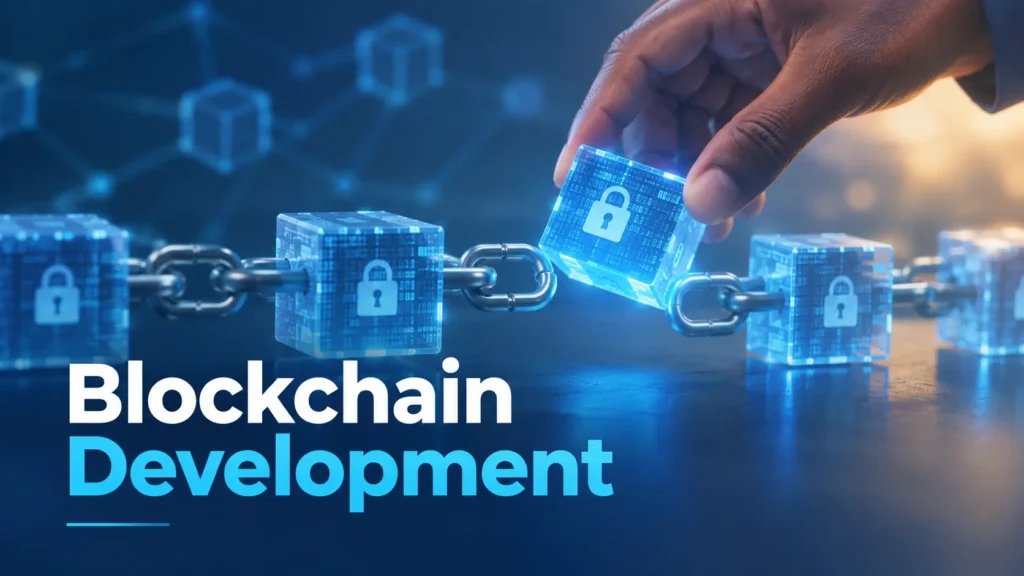
Blockchain Development: The Complete Guide (2026)
Blockchain development used to be just for people into cryptography, but now it's a big area of software engineering. It involves creating smart contracts and decentralized…
Latest in this topic
What you will find here
Our guides are practical. Each one explains the concepts first, then walks through the steps, tools and common mistakes. They are written for curious readers, founders and developers who want a clear path rather than a list of buzzwords.
- Development guides – blockchain, dApp, token and NFT development.
- NFT guides – marketplaces, standards and fractional ownership.
- Analysis guides – how to read on-chain metrics and market data.
A typical path into Web3 development
| Step | What to learn | Common tools |
|---|---|---|
| 1. Fundamentals | Transactions, blocks, wallets, gas | A block explorer and a test wallet |
| 2. Smart contracts | Solidity for EVM chains, Rust or Move for others | Remix, Foundry, Hardhat |
| 3. Testing and security | Unit tests, fuzzing, common vulnerabilities | Foundry tests, static analysers |
| 4. Front end | Connecting wallets, reading and writing contract data | viem, ethers.js, wallet libraries |
| 5. Deployment | Testnets, verification, monitoring | Testnet faucets, explorers |
Choosing a chain to build on
Most beginners start on an EVM chain because tutorials, libraries and audit expertise are abundant. If your application needs very high throughput or a particular asset model, a non-EVM chain may fit better. Our blockchain reviews explain the trade-offs of each network.
Security comes first
Smart contracts often hold real money and cannot easily be changed after deployment. Every development guide on this site includes a security section: test thoroughly, use well-reviewed libraries, avoid writing your own cryptography and get an independent audit before handling user funds.
How we keep guides accurate
Tools and best practices change quickly. Each guide shows when it was last updated, and we revise guides when a standard, tool or fee model changes. If you find something outdated, let us know through the contact page.
How our guides are structured
Every guide follows the same pattern: what you will build or learn, what you need before you start, the steps in order, common mistakes and a short checklist at the end. Code examples are kept minimal and link to official documentation for the details that change most often.
Guides for non-developers
Not every guide is about code. We also explain how to evaluate a project’s documentation, how to read a block explorer, how to verify a smart contract before interacting with it and how to understand the data behind headlines about crypto markets. These skills help anyone make better-informed decisions, whether or not they ever write a smart contract.
Risks to keep in mind
Guides explain processes; they do not replace professional legal, tax or security advice. Launching a token or marketplace can have legal consequences depending on your jurisdiction, so check the rules before you go live.
Frequently asked questions
Do I need coding experience for your guides?
Not for most guides. Development guides assume basic programming knowledge and explain the blockchain-specific parts.
Which programming language should I learn for blockchain?
Solidity is the most widely used language for EVM chains. Rust is common on Solana and in many other ecosystems, and Move is used on Aptos and Sui.
Are your guides free?
Yes. All guides on Blockchaindose are free to read.
This page is for educational purposes only and is not financial, investment or tax advice. Crypto assets are volatile and you can lose all of the money you invest.