
The global NFT marketplace market reached $1.675 billion in 2025 and continues its growth trajectory with a compound annual growth rate of 3.40% through the forecast period. The broader NFT market capitalization exceeds $86 billion as of early 2026, with a compound annual growth rate approaching 41.8%.
Gaming NFTs generated over $21 billion in the preceding year. These figures demonstrate sustained demand for digital asset infrastructure, though the market has shifted from speculative profile-picture collections toward utility-driven assets with measurable functional value. Building an NFT marketplace in 2026 requires systematic attention to blockchain selection, smart contract architecture, backend scalability, multi-chain support, and go-to-market execution.
This guide provides a technical framework for each phase of development.
Blockchain Layer Selection and Multi-Chain Architecture
Blockchain selection constitutes the primary architectural decision, determining development costs, transaction throughput, network fees, user experience parameters, and long-term scalability constraints. Ethereum Mainnet provides the largest ecosystem and deepest liquidity pool with gas fees ranging from $18 to $150 per mint, supported by the most extensive developer talent pool and tooling ecosystem.
Layer 2 solutions including Polygon, Arbitrum, Base, and Optimism present distinct advantages. Polygon reduces gas fees by approximately 99% compared to Ethereum mainnet while maintaining EVM compatibility, though bridging mechanisms introduce additional complexity. Solana offers minting costs of $0.0004 per NFT with transaction throughput exceeding 4000 TPS, yet requires specialized development expertise in Rust with limited developer availability compared to Solidity.
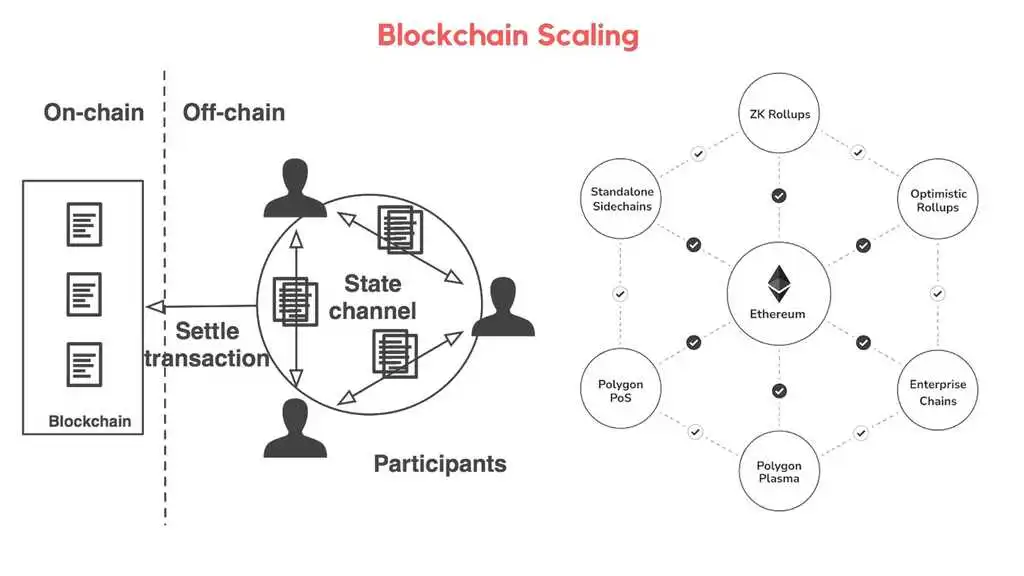
Multi-chain support has become an operational requirement rather than a competitive differentiator in 2026. OpenSea OS2 supports twenty-two blockchains across its infrastructure. Rarible expanded to Solana in August 2026 following DAO governance approval. Founders must design for multi-chain deployment from the initial architecture phase.
Retrofitting multi-chain support post-launch requires substantial reengineering of indexing services, wallet integration layers, and smart contract interaction logic. Supporting Ethereum, Solana, and Polygon provides coverage across the three largest NFT ecosystems by trading volume and user base. The architecture must accommodate different token standards including ERC-721, ERC-1155, and SPL tokens, with unified abstraction layers for wallet connectivity and transaction processing.
Smart Contract Implementation and Security Protocol
Smart contracts manage minting operations, ownership transfers, royalty distribution mechanisms, escrow functions, and auction logic. This represents the most technically demanding and security-critical component of marketplace infrastructure.
Token standards require deliberate selection based on asset characteristics. ERC-721 supports unique, non-fungible assets and functions as the standard for most NFT implementations. ERC-1155 enables semi-fungible tokens with batch transfer capabilities and multi-token contracts, making it optimal for gaming asset ecosystems where users hold multiple instances of similar items.
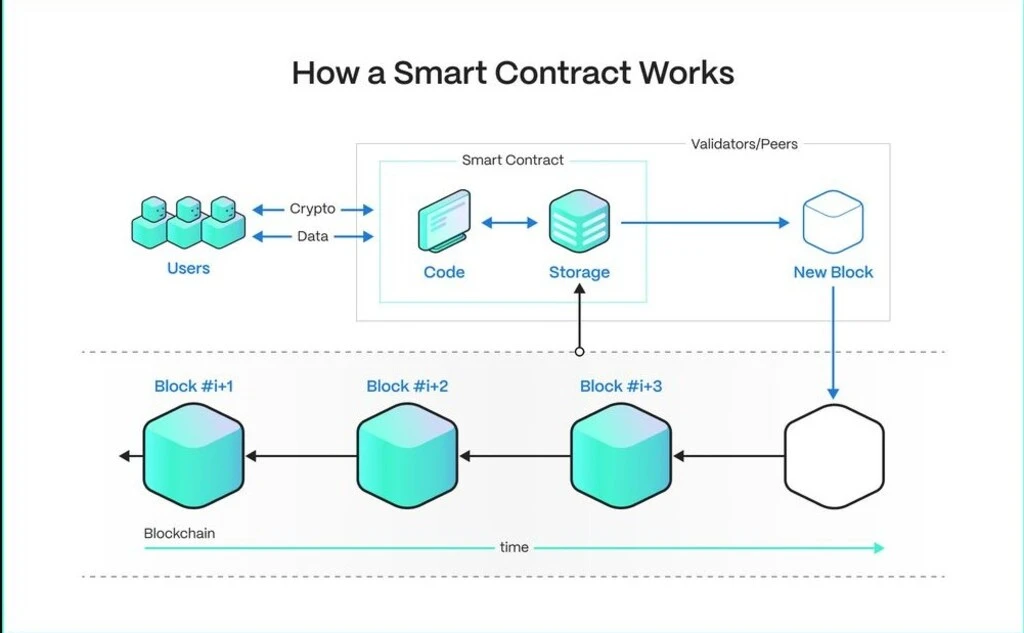
Core contract components include a marketplace contract facilitating listings, bids, and sales execution; an NFT contract implementing ERC-721 or ERC-1155 standards; and a royalty registry enforcing creator fees on secondary sales through EIP-2981 compliance. Performance optimization requires using mappings over arrays for data storage to reduce gas consumption, implementing batch operations where feasible, offloading complex logic to off-chain indexers rather than executing within contract functions, and leveraging established libraries including OpenZeppelin for security and interoperability assurance.
Smart contract audits are mandatory prerequisites for production deployment
A single reentrancy vulnerability can result in complete wallet drainage across all connected addresses. Audit costs scale with contract complexity. Basic NFT contracts implementing ERC-721 with minting, royalty handling, and metadata management cost between $8,000 and $15,000 for professional auditing.
Marketplace contracts incorporating royalty logic, escrow mechanisms, listing state machines, and bidding systems cost between $15,000 and $45,000 for comprehensive security review. Audits must include static analysis, fuzz testing, and manual code review by multiple independent auditors.
Frontend and Backend Infrastructure Engineering
The presentation layer requires frameworks including React or Vue.js with wallet integration supporting MetaMask, WalletConnect, and chain-specific wallets across all target blockchains. User experience simplification constitutes a critical success factor. Friction points requiring systematic reduction include gas fee estimation and management interfaces, wallet connection flows requiring minimal user actions, and transaction confirmation UX providing clear status indication without technical jargon.
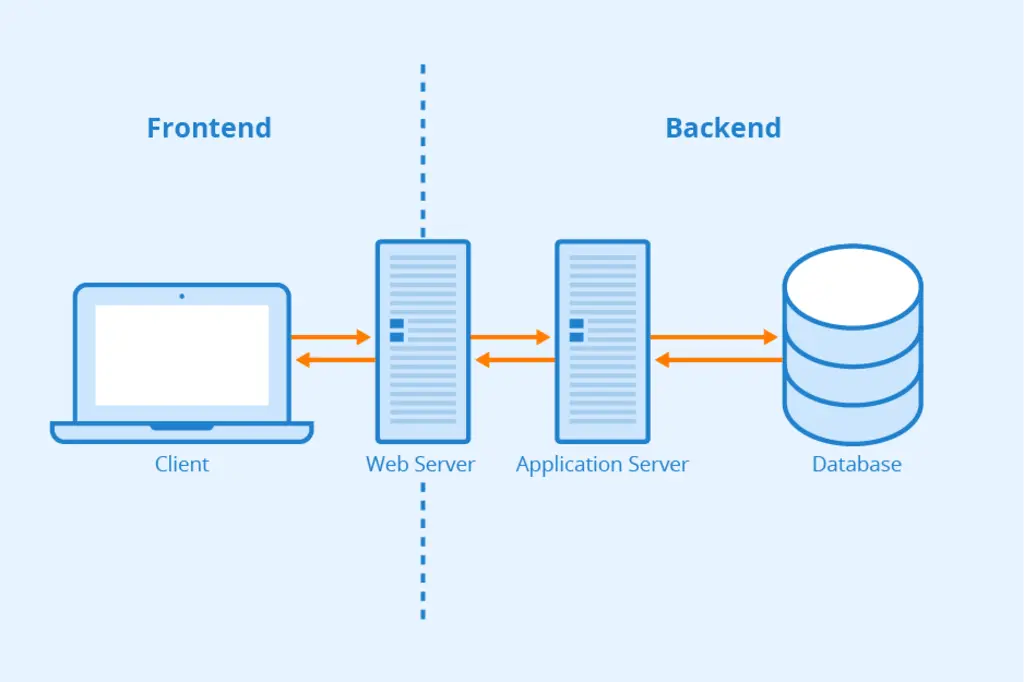
A scalable NFT marketplace architecture separates concerns across distinct functional layers. The blockchain interaction layer requires RPC node connections for reading chain state and event listeners for transaction indexing.
The off-chain indexing service utilizes protocols including The Graph or Subsquid to listen to blockchain events and provide fast, queryable access to listings, bids, and historical transaction data. For a 10,000-item collection, sequential blockchain fetching would require ten minutes or more, while indexing reduces this to milliseconds.
Metadata storage employs IPFS or Arweave for images, descriptions, and attribute data while the blockchain stores only the token reference URI, preventing ten to twenty times storage cost overruns. A CDN accelerates static asset delivery for global user distribution.
The application backend API orchestrates between the indexer, metadata service, and frontend, handling caching operations, user authentication, and transaction payload preparation. Caching strategy employs Redis or Memcached for frequently accessed data including trending collections and user profiles, with a database supporting horizontal scaling through PostgreSQL with read replicas or distributed NoSQL solutions including MongoDB or Cassandra.
Microservices architecture decouples responsibilities for independent scaling and fault isolation. Services include chain interaction, indexing pipeline, API gateway, notification delivery, and analytics processing. Message queues including Kafka and RabbitMQ decouple the indexer from the API, maintaining system responsiveness during traffic spikes or blockchain reorganizations.
Traditional Web2 architecture supporting NFT platforms averaged response times exceeding 500ms with 15% transaction failure rates. Properly architected systems reduce response times to sub-100ms and failure rates below 1%.
Launch Execution and Go-to-Market Protocol
Establish partnerships with creators, artists, or gaming studios before launch to ensure quality NFT supply at platform initiation. Community building must commence sixty to ninety days before minting. Channels include Discord servers for community interaction, X engagement with influencers and potential users, and community contests and incentives.
Launch tactics include airdrops to early supporters or specific communities, reduced fees for early listings, featured placement for anchor collections, and partnerships with communities that already demonstrate demand for NFT assets. Marketplaces that fail to secure initial liquidity or community engagement typically struggle to achieve sustainable transaction velocity.
FAQ
What is the minimum viable blockchain for launching an NFT marketplace in 2026?
Polygon represents the optimal starting point for most new marketplaces. It offers EVM compatibility, reduces gas fees by approximately 99% compared to Ethereum mainnet, and provides access to Ethereum’s developer ecosystem and user base. A Polygon-based MVP costs $50,000 to $100,000 with a twelve-to-twenty-week timeline. Solana offers lower per-transaction costs of approximately $0.0004 but requires specialized Solidity-alternative development in Rust and has a smaller developer pool.
How critical is multi-chain support for a new NFT marketplace?
Multi-chain support is no longer optional for marketplaces targeting broad adoption. Major platforms like OpenSea with twenty-two chains and Rarible have made multi-chain interoperability standard. Retrofitting multi-chain support post-launch costs more than building it into the initial architecture. New marketplaces should design for multi-chain from day one, even if launching initially on a single chain.
What are the primary security considerations for NFT marketplace smart contracts?
Smart contract security requires a professional audit before launch costing $15,000 to $45,000 for marketplace contracts, use of established libraries such as OpenZeppelin rather than custom implementations, reentrancy protection where a single vulnerability can drain all connected wallets, royalty enforcement logic under EIP-2981 requiring careful implementation with a budget of $15,000 to $25,000 if this is a core requirement, and recognition that contracts cannot be easily modified after deployment, making initial correctness critical.
What differentiates successful NFT marketplaces in 2026 from failed ones?
Success factors include niche specialization over a generalist approach, utility-focused assets rather than speculative collectibles, multi-chain support from launch, community building beginning sixty to ninety days before launch, scalable architecture with microservices, caching, and horizontal scaling, and partnerships with creators and communities that already have demand. Failed marketplaces typically underestimate smart contract complexity, storage architecture, and community-building requirements.
What are the most promising NFT marketplace niches for 2026?
The highest-growth segments include Real-World Asset tokenization with $33.5 billion on-chain as of July 2026 and 30% growth in Q1 alone, gaming assets with $21 billion in annual volume, event ticketing and utility memberships as underserved segments with clear value propositions, AI-generated and NFTs transitioning from static to generative assets, and phygital goods that digitally tokenize physical products.

Isai Alexei is a journalist and financial analyst covering cryptocurrency markets and traditional securities for Blockchaindose. He has spent ten years analyzing digital assets, trading activity, and market structure.