
Builder-Searcher Collusion in Ethereum PBS: Top-of-Block Auction Microeconomics
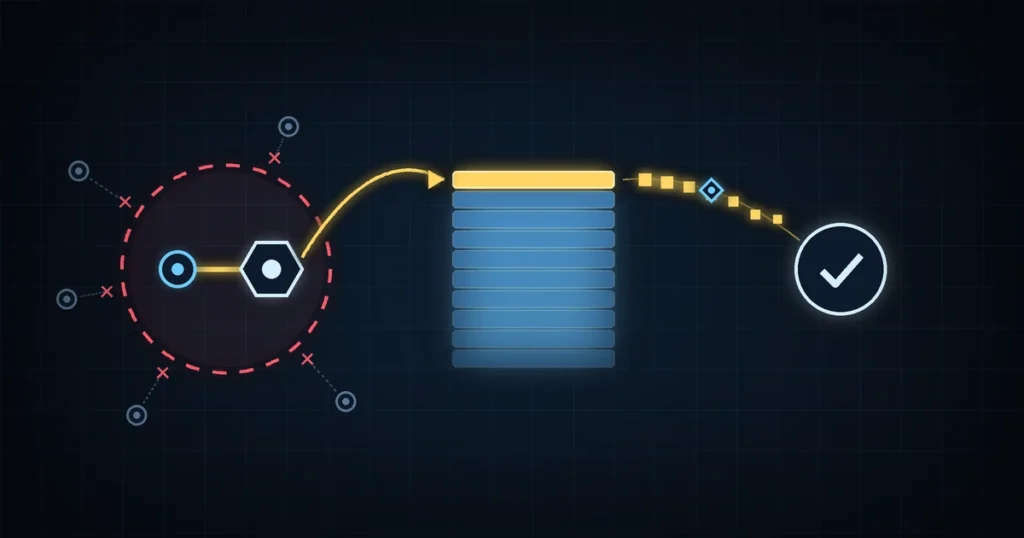
Builder-searcher collusion describes coordinated conduct between block builders and MEV searchers which limits competition in the proposer-builder separation (PBS) market of Ethereum. Public data documents exclusive…
Latest
- Smart Contract Blockchains
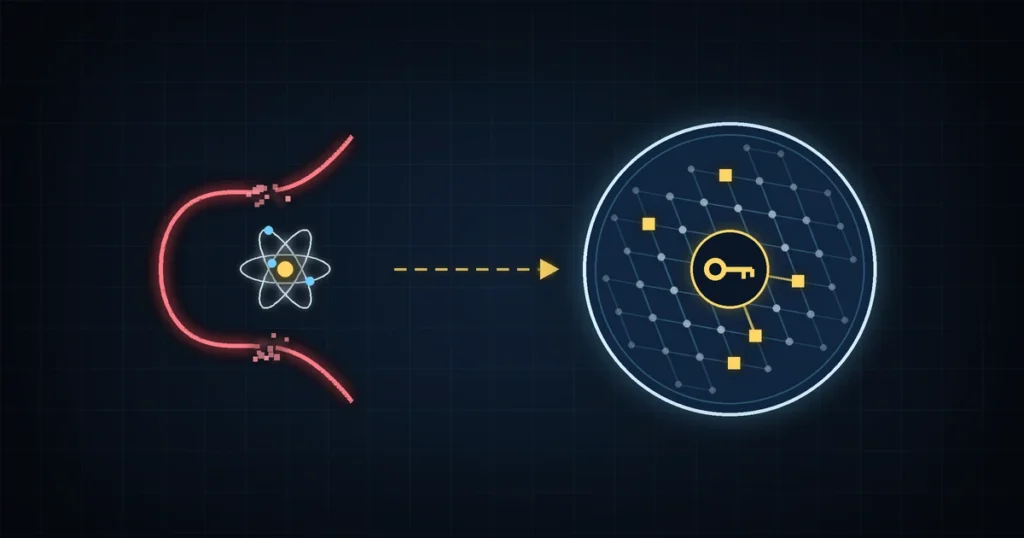
Lattice-Based Cryptography for Smart Contracts: Post-Quantum Signature Costs on Bitcoin and Ethereum
- Crypto opinions
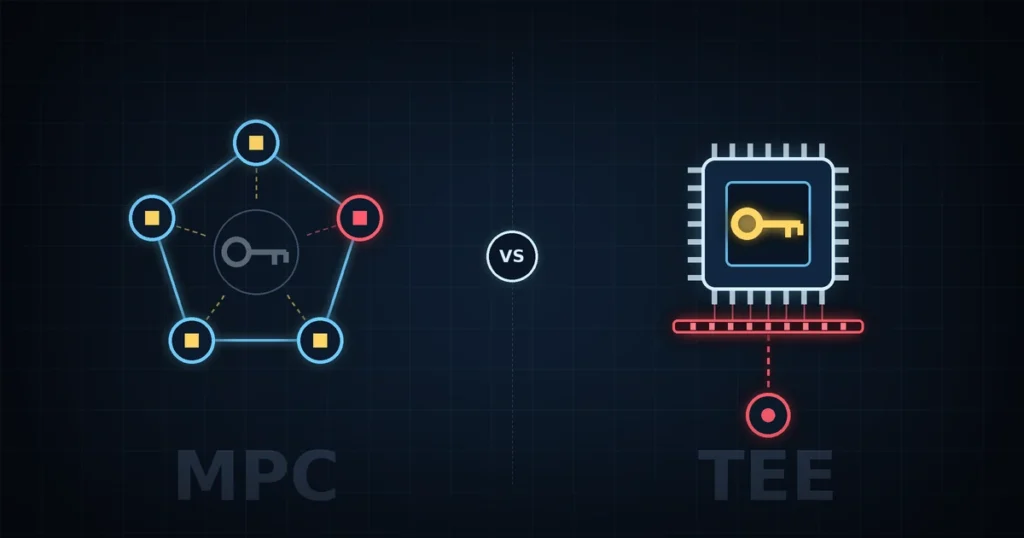
MPC vs TEE: Essential Risk Guide for Institutional Custody
- Proof of Work (PoW) blockchains
Proof of Useful Work Turns GPU Matrix Multiplication Into Blockchain Consensus
On-chain Research
View all

Crypto Price Fell by Half, Its Use Barely Moved

The Hidden Number Behind Crypto’s Wall Street Moment

Tokenized equities are tiny, but growing fast
Blockchain Reviews
View all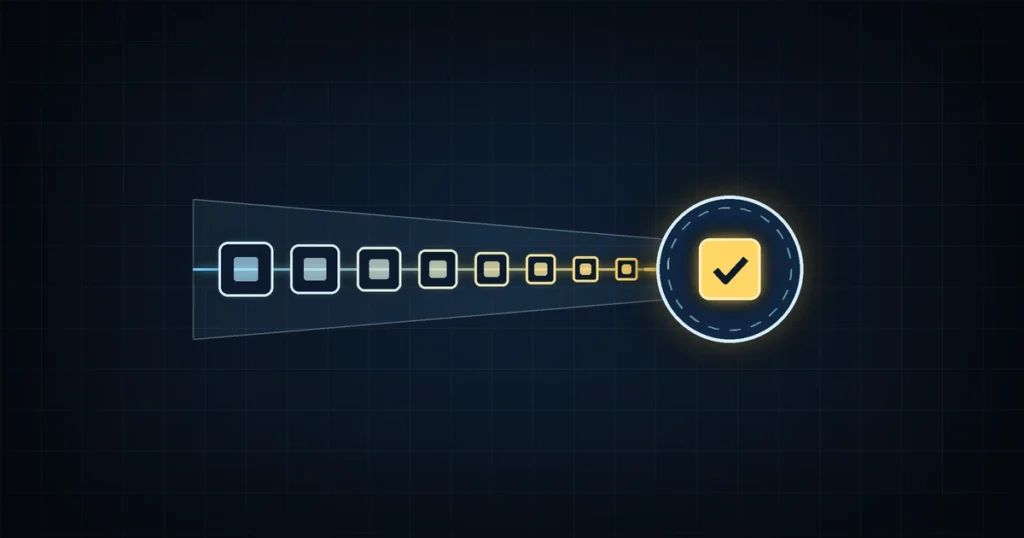
Incrementally Verifiable Computation Gives Blockchains a Constant-Size Proof of Unlimited History
Incrementally verifiable computation (IVC) lets a program prove its own execution one step at a time, so a verifier checks one short proof instead of replaying…



Project Reviews
View all
Solidity Optimizer Bugs: How Compiler Passes Put Access Control at Risk
Solidity optimizer bugs returned to the advisory list on October 22, 2026, when the Solidity team published SOL-2026-7, a defect in the Yul optimizer which lets…

Web3 Domains: The Name That Proves You’re Real
Web3 domains are human-readable names, like name.eth, that live on a blockchain instead of in a company's database. A normal crypto wallet address looks like this:…
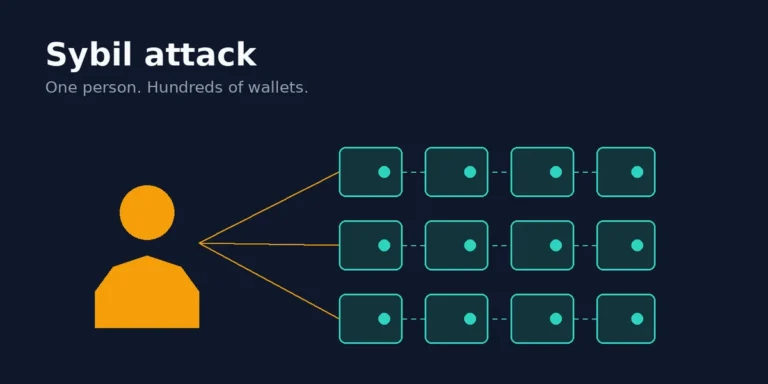
5 Ways Sybil Attacks Exploit Web3 Incentives and How Blockchain Networks Fight Back
Learn how Sybil attacks exploit Web3 incentives through fake wallets and how blockchain networks detect and defend against them.
Guides
View all
Ethereum MEV Explained: How Transaction Ordering Creates Profit

Blockchain Development: The Complete Guide (2026)


Learn
View all

Blockchaindose: crypto and blockchain explained without the hype
Independent reviews of blockchains and crypto projects, practical guides and data-driven research from our editorial team. Read how we research and fact-check in our editorial policy.
Frequently asked questions
What does Blockchaindose cover?
Independent reviews of blockchains and crypto projects, practical guides and data-driven on-chain research. We focus on how the technology works and what the data shows, not on price predictions.
Is the content on Blockchaindose financial advice?
No. Everything we publish is for information and education only. Crypto assets are highly volatile, so always do your own research before making any decision.
How do you make sure your articles are accurate?
We work from primary sources, cite the data we use, show when each article was last updated and correct errors openly. Our editorial policy explains the full process.