
Research
Crypto market research: on-chain data, not hype
Data-driven research on how crypto markets really work – exchange flows, liquidity, volume quality, network activity and holder behaviour, based on on-chain and market data.
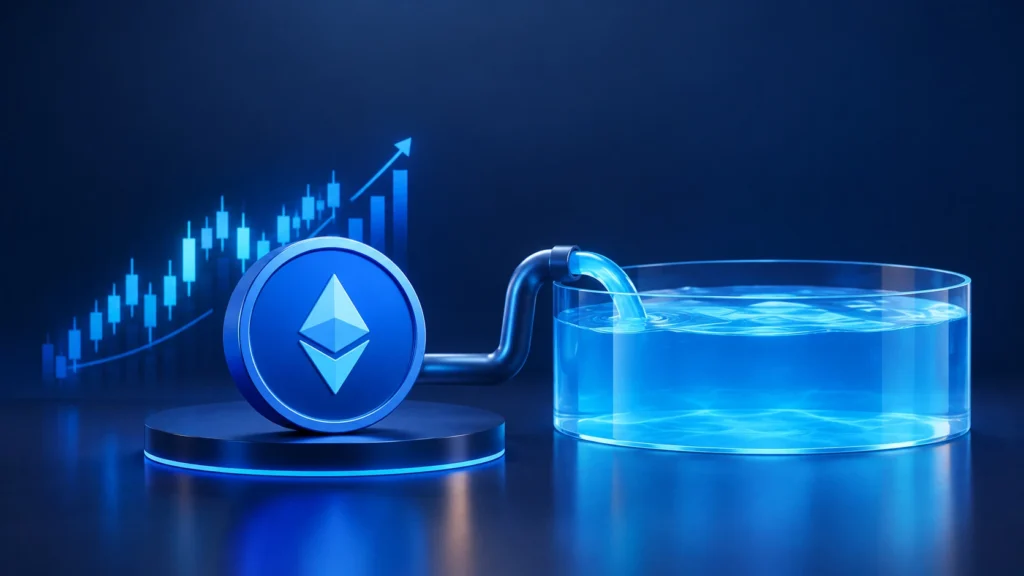
The $500M Volume Token With $200k of Real Liquidity
Picture a token’s page on a price tracker. Twenty-four-hour volume: $500 million. It looks like a market with real crowds and real money. Now open the order book…
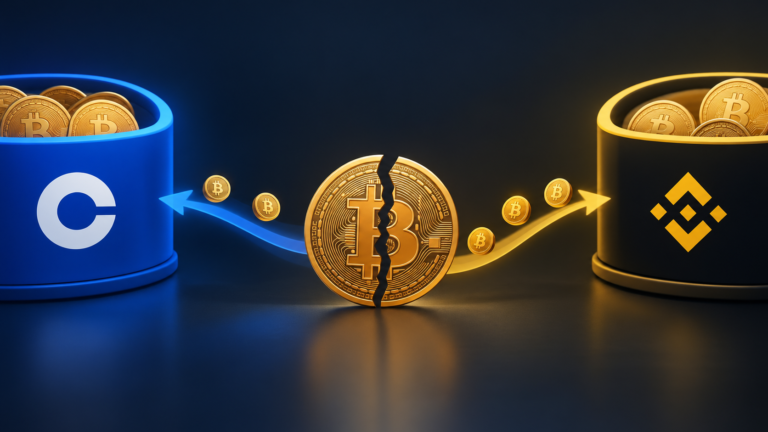
The Coinbase Binance Liquidity Split: Bitcoin’s Exchange Reserves Are Fragmenting
For years, exchange reserves was one of crypto’s simplest signals. If Bitcoin leaves exchanges, holders are hoarding. If…
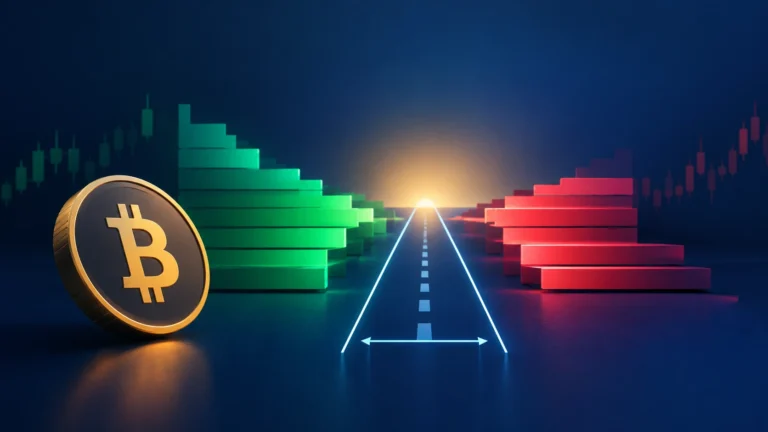
Crypto Trading Volume: ±1% Market Depth Is the Road Ahead
Crypto’s favorite number tells you what already happened. A quieter one tells you what a trade would do…
Latest in this topic
26 articles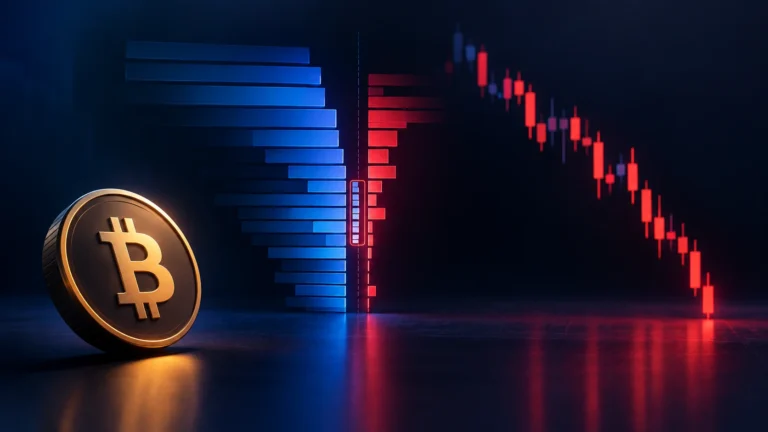
The Number Hiding Behind The Biggest Crypto Crash: How Thin the Order Book Was
Bitcoin supply is 21 million coins, but the supply that decides a crypto crash is a few million…
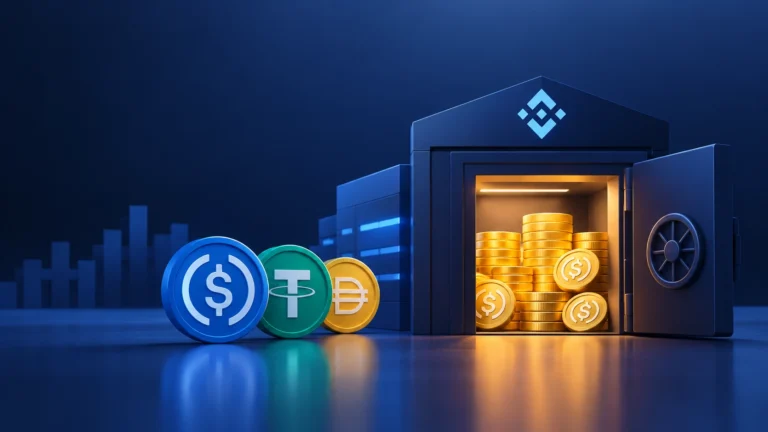
Stablecoin Exchange Reserve: About $76 Billion Sitting on Exchanges
Every few months, a new headline tells us stablecoins are taking over payments. Salaries, remittances, supplier invoices, all…

Why “AI Token Market Cap” Isn’t One Number
How much are At tokens worth? Well, this sounds like one of the easiest questions ever. Yet, it…
The 320-Day Hashrate Drought: The Hidden Number Behind Bitcoin’s “Longest Slump”
If you follow Bitcoin mining news this fall, you have probably heard about the 320-day hashrate drought. The…

Restaking Fees: $10 Billion Locked Up, But Almost Nothing Earned
Say you put $10,000 into Ethereum liquid staking last year. Based on the latest numbers, that money earns…
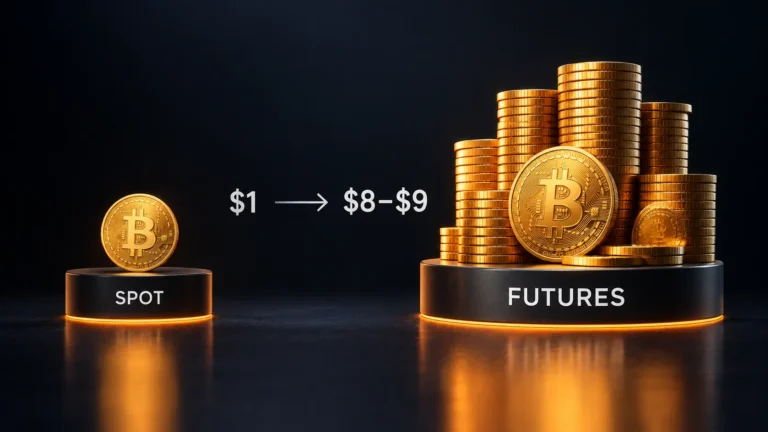
Bitcoin spot vs futures volume: For Every $1 of Spot, $8 to $9 of Futures
Between September 15 and 21, the price of Bitcoin jumped 14.6%, from $75,585 to $86,595. It touched $87,397…
Our approach to market research
We do not publish price predictions. Instead, we look at measurable data and explain what it can – and cannot – tell you:
- On-chain metrics – active addresses, new addresses, retention and holder cohorts.
- Exchange flows – reserves, inflows and outflows.
- Market quality – spot vs derivatives volume, order-book depth and wash trading.
- Network health – hashrate, fees and failure rates.
How to read on-chain data
On-chain metrics are noisy. One person can control thousands of addresses, and exchanges move funds between wallets for operational reasons. Each analysis states its data source, method and limitations so you can judge the result yourself.
All articles in this topic
- The Number Hiding Behind The Biggest Crypto Crash: How Thin the Order Book Was
- The $500M Volume Token With $200k of Real Liquidity
- Stablecoin Exchange Reserve: About $76 Billion Sitting on Exchanges
- Crypto Trading Volume: ±1% Market Depth Is the Road Ahead
- Why “AI Token Market Cap” Isn’t One Number
- The 320-Day Hashrate Drought: The Hidden Number Behind Bitcoin’s “Longest Slump”
- Restaking Fees: $10 Billion Locked Up, But Almost Nothing Earned
- Bitcoin spot vs futures volume: For Every $1 of Spot, $8 to $9 of Futures
- 45 Bitcoin Metrics Capitulation: Was it Really 45 Alarms?
- Bitcoin Whales: Are They Buying or Selling?
- XRP Warming Up: Is it Ready to Run?
- The “One in Three Fails”: Solana Failure Rate
- Crypto Leaving Exchanges, How Much?
- 31%: The Bitcoin Profit Number Nobody Quotes
- Did 31% of Bitcoin Users Vanish?
- The Coinbase Binance Liquidity Split: Bitcoin’s Exchange Reserves Are Fragmenting
- Binance Buyers Are Back at 2020 Levels
- Who’s Really Using Bitcoin Now? A Look at Activity Retention and Whale Deposits
- Does 689,939 Daily Active Addresses Mean 689,939 Real Daily Users?
- The 2% Pumpfun Graduation Rate: Too Many Memecoins Don’t Make it Out of The Platform
- Is 94% Ethereum L2 Activity a Market Shift or Just a Number?
- Bitcoin Microtransactions Now 80% of the Network
- How Many New Bitcoin Addresses Are Created Each Day in 2026?
- What Are the Busiest Hours for Bitcoin Movements?
- Low-Cap Crypto Gems to Watch in 2026
- Cryptocurrency Certification Consortium (C4) Review 2025
Frequently asked questions
Do you give trading advice?
No. Our research explains data and market structure. Nothing on Blockchaindose is financial advice.
Where does your data come from?
We use public blockchain data, block explorers, exchange APIs and established analytics providers, and cite the source in every article.