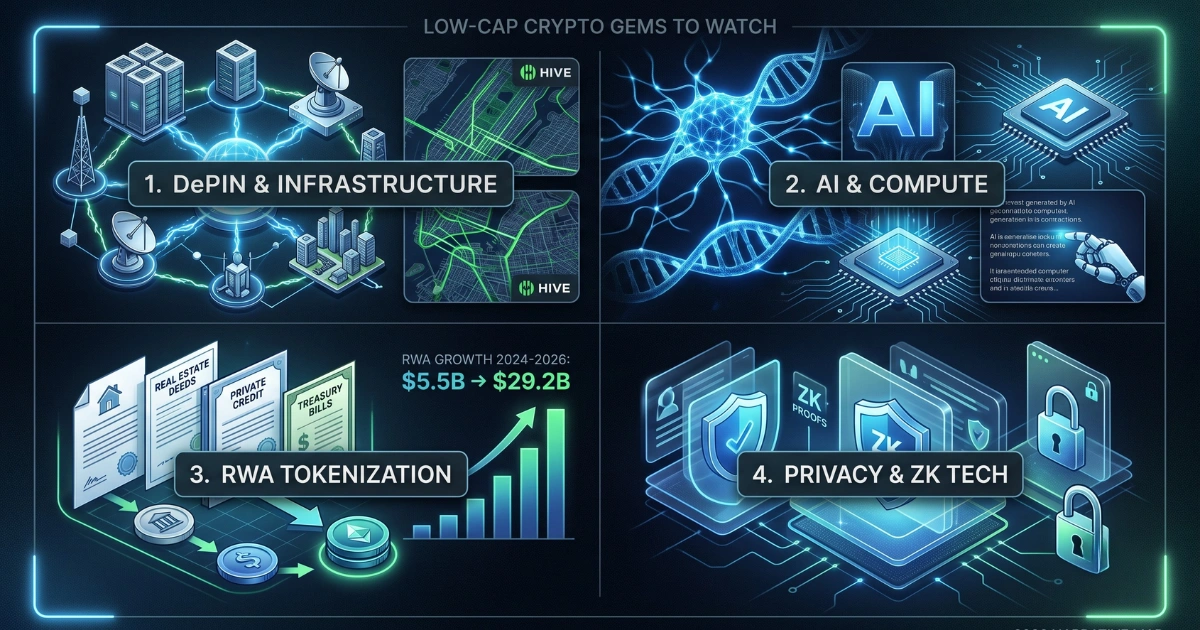
Hunting for low-cap crypto gems to watch is the highest-risk, highest-asymmetry corner of crypto investing – and in 2026 it is also where the market’s most interesting building is happening. The capital rotation is measurable: per CoinGecko’s narrative research, tokenized real-world assets grew from $5.5 billion to $29.2 billion in roughly a year, and RWA was the most profitable narrative of 2025 with average returns of 185.8% – gains that flowed disproportionately to smaller tokens. This article is a research map, not a buy list: every project here can fail, and the honest base rate for small tokens is brutal.
Key Takeaways
- Low-cap crypto gems offer asymmetric upside precisely because they carry asymmetric risk – the base rate is that most small tokens fail, and no list changes that.
- The 2026 narratives with real substance are DePIN, AI infrastructure, RWA tokenization, and privacy/ZK – tokenized real-world assets alone grew from $5.5 billion to $29.2 billion in about a year.
- The projects worth watching share three traits: real usage, transparent tokenomics, and active development – not just a narrative and a whitepaper.
- Tokenomics kill more low caps than technology does: check FDV vs. market cap and unlock schedules before anything else.
- Nothing in this article is financial advice – it is a research starting point for projects with interesting fundamentals, several of which we have covered in depth.
Below: what actually counts as a low-cap gem, the narratives driving 2026, ten projects with genuinely interesting fundamentals (several from our own deep-dive coverage), and the research and risk framework that matters more than any specific pick.
What Counts as a Low-Cap Gem – and the Base Rate Nobody Quotes
A working definition: tokens with market caps roughly between $10 million and $150 million, small enough that adoption can rerate them multiples higher, large enough to have survived initial contact with the market. The upside logic is simple mathematics; the downside logic deserves equal print. When CoinGecko analyzed 18.67 million tokens launched on one launchpad, only 4.55% were still trading after 90 days – an extreme sample dominated by meme coins, but a useful reminder of the gravity every small token fights. “Gem” hunting is the discipline of finding the exceptions, and the exceptions share observable traits: shipped products, organic usage, and tokenomics that do not ambush holders.
The Narratives Driving 2026
Small caps move when their sector narrative attracts liquidity, so the sector thesis matters as much as the project. Four have substance behind them in 2026. DePIN (decentralized physical infrastructure) tokens reward people for deploying real hardware – wireless, mapping, compute – and the leaders now show actual on-chain revenue, which was rare a cycle ago. AI infrastructure – decentralized compute, data, and agent platforms among AI blockchain projects – rides the only demand curve in tech that keeps steepening. RWA tokenization is institutionalizing fast, with real-world asset projects expanding from treasuries into private credit and real estate. And privacy and zero-knowledge tech is becoming a competitive moat as surveillance of public chains matures.
Low-Cap Crypto Gems to Watch in 2026
Transparency first: entries 4 through 10 are projects we have covered in dedicated deep dives on this site – inclusion reflects architectural or narrative interest, not endorsement and not a price call. Entries are ordered by narrative, not by expected performance.
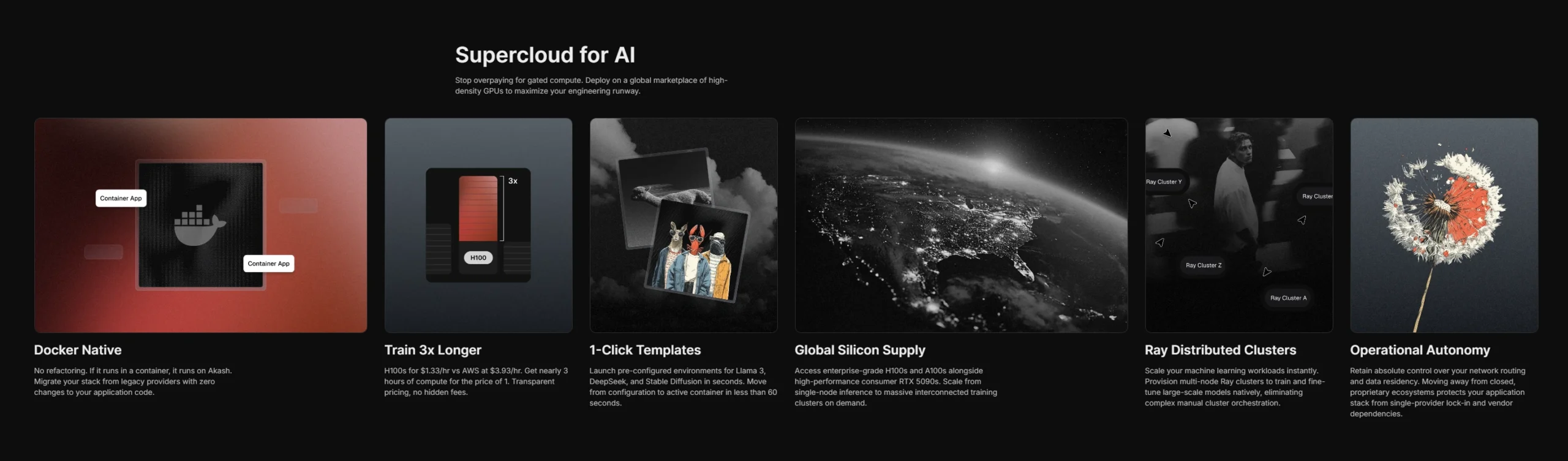
1. Akash Network (AKT) – Decentralized Compute With Real Demand
Akash is a marketplace for cloud compute – a community-owned alternative to AWS where providers rent out capacity, including the GPUs the AI boom is starving for. It is one of the few DePIN projects with visible, recurring demand rather than only supply-side incentives, at a market cap (roughly $160 million in mid-2026 per sector research) that is a rounding error against the cloud market it addresses. Watch: GPU utilization rates and fee revenue, not announcements.
2. Hivemapper (HONEY) – The Decentralized Mapping Network
Hivemapper pays drivers with dashcams to build a continuously updated global map, selling the data to logistics, navigation, and AI companies – a head-on challenge to an incumbent duopoly with a fraction of the capex. Millions of kilometers are already mapped, and the demand side (autonomous systems, location intelligence) is structural. Watch: enterprise data revenue versus token emissions – the classic DePIN balance that decides everything.

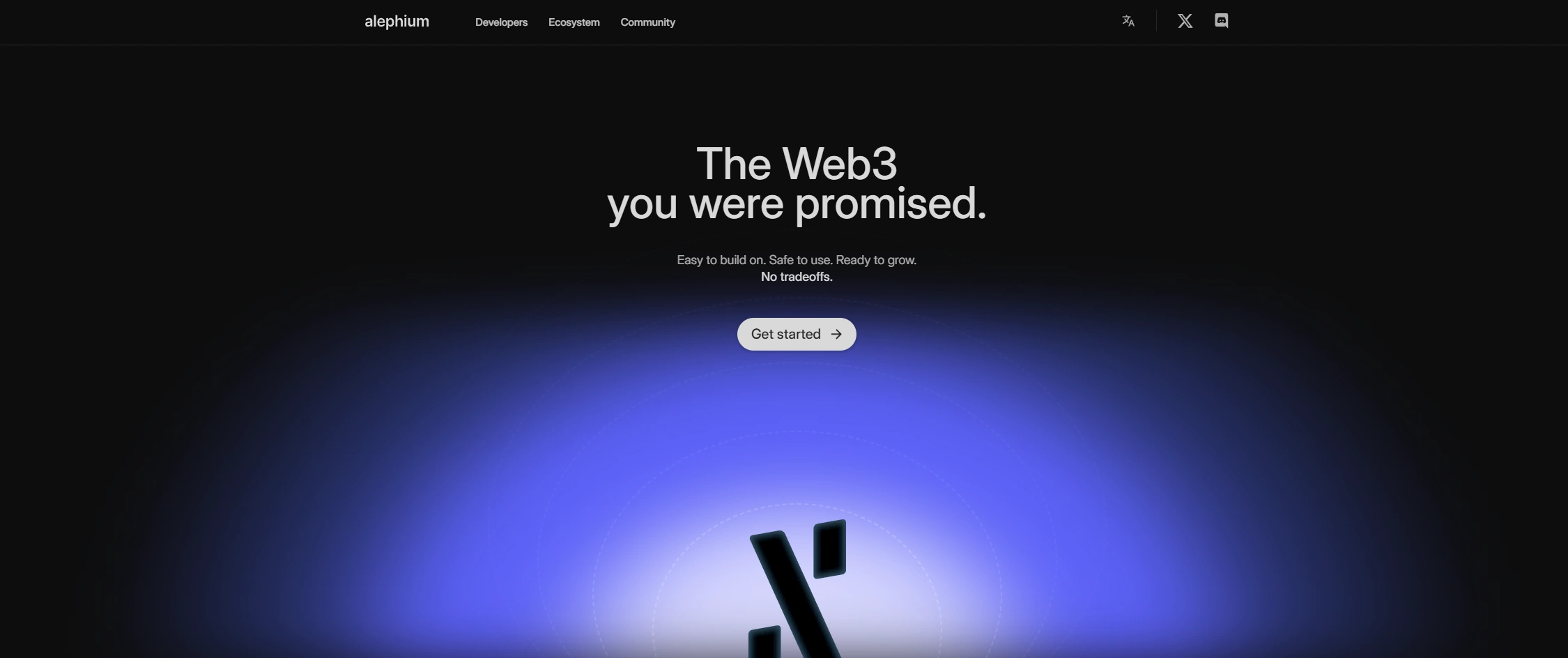
3. Alephium (ALPH) – Sharded Proof of Work
Alephium is a contrarian architecture: a sharded, energy-lean proof-of-work chain with smart contracts, aiming for scalability without abandoning PoW security assumptions. It is quiet, technically serious, and unfashionable – often the profile where mispricing lives. Watch: developer activity and whether any flagship dApp gives the chain a reason for outsiders to arrive.
4. Iron Fish (IRON) – The Privacy Layer Bet
Our deep dive on Iron Fish covers a chain built around default zero-knowledge privacy for every transaction – essentially encrypted payments with compliance-compatible view keys. If the privacy/ZK narrative matures the way 2026 forecasts expect, default-private chains are the purest expression of it. Watch: regulatory posture toward privacy-focused projects – the narrative’s biggest tailwind and its biggest existential risk are the same variable.
5. Quai Network (QUAI) – Scalable Proof of Work, Rebuilt
Covered in our Quai Network analysis: a braided multi-chain proof-of-work architecture with a dual-token system (QUAI plus the energy-linked Qi), targeting thousands of TPS without leaving PoW. It is one of the few genuinely novel consensus experiments live today. Watch: whether the dual-token monetary design works in practice – it is the project’s signature idea and its hardest-to-prove one.
6. Taraxa (TARA) – The BlockDAG Workhorse
Our Taraxa write-up covers an EVM-compatible chain built on a blockDAG structure – blocks in parallel rather than a single chain – for high throughput with fast finality. It has shipped through multiple cycles with little fanfare, which cuts both ways: real persistence, little attention. Watch: ecosystem traction; the technology has outrun the adoption so far.
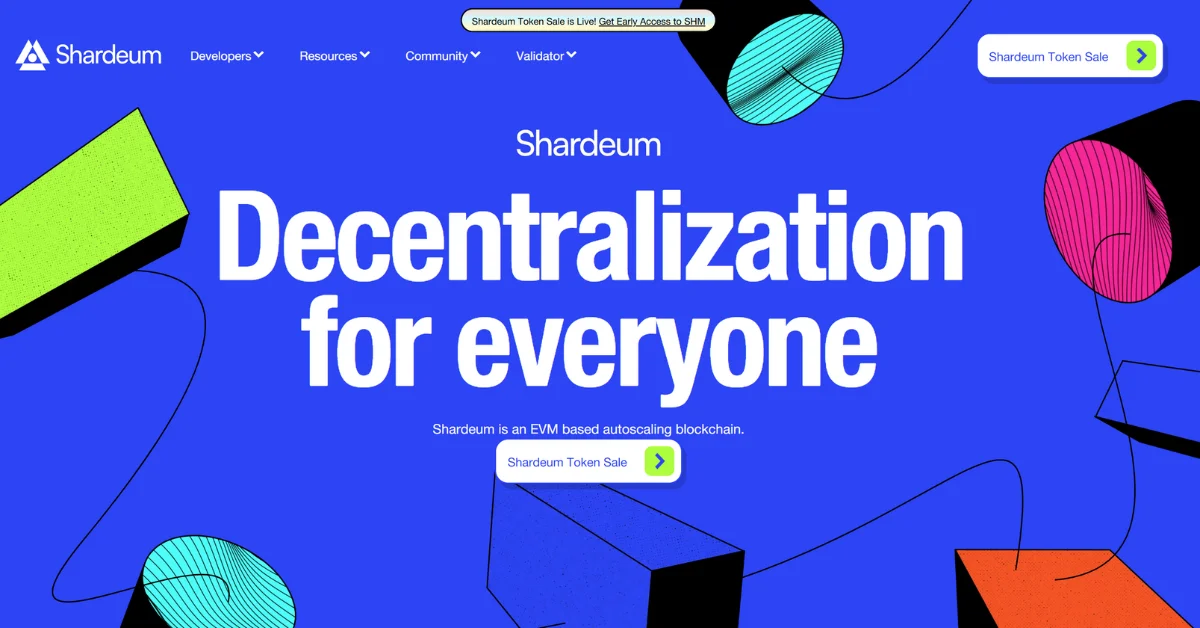
7. Shardeum (SHM) – Sharding That Scales With Validators
Covered in our Shardeum deep dive: an EVM chain with dynamic state sharding, where capacity grows as validators join – the theoretical answer to the scalability trilemma that most chains only gesture at. Founded by WazirX’s Nischal Shetty, it carries strong Indian community distribution. Watch: real-world throughput under load versus the whitepaper claim, the make-or-break question for every sharded design.
8. Vanar Chain (VANRY) – The Consumer Brand Play
Our Vanar Chain analysis covers a chain aimed at brands, gaming, and entertainment with fixed, negligible fees – infrastructure for mainstream consumer apps rather than DeFi. The bet is that the next wave of users arrives through games and brand experiences, not exchanges. Watch: signed brand deployments that ship, the only metric that validates this thesis.
9. XPLA – Content and Gaming Infrastructure
Our XPLA feature covers a Cosmos-technology chain backed by Korean gaming heritage, positioning itself as a content and gaming powerhouse – in-game assets, media IP, and creator economies. Korea remains one of the world’s densest gaming markets, which gives the thesis a real geographic anchor. Watch: whether flagship game integrations produce daily active users, the stat that separates gaming chains from gaming decks.
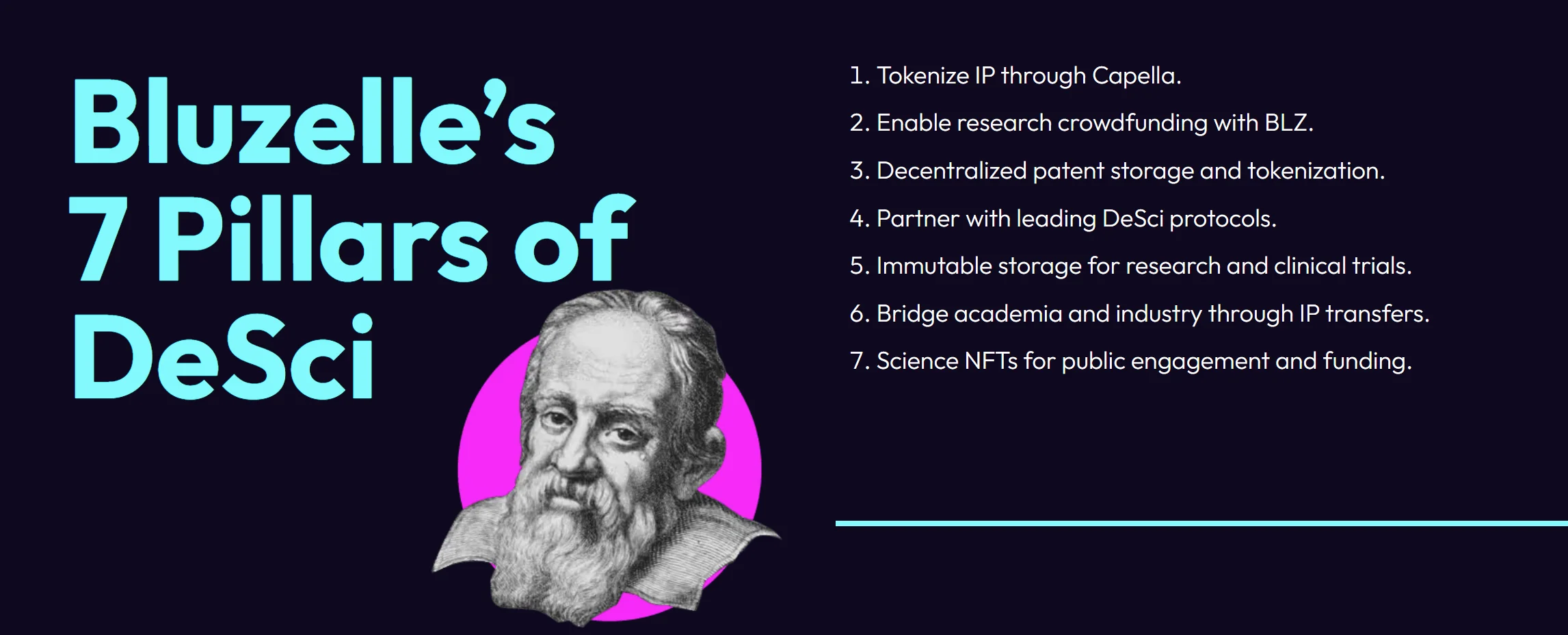
10. Bluzelle (BLZ) – Storage Pivoting Into DeSci
Our Bluzelle coverage tracks a veteran decentralized storage network repositioning toward decentralized science (DeSci) – verifiable storage for research data. It combines two quieter narratives (storage demand from AI, DeSci’s slow institutional build) in one small package that has survived multiple cycles. Watch: actual DeSci partnerships and stored-data growth, not roadmap slides.
Quick Comparison
| Project | Narrative | The bet | Key metric to watch |
| Akash (AKT) | DePIN / AI compute | Decentralized cloud with GPU demand | GPU utilization, fee revenue |
| Hivemapper (HONEY) | DePIN / mapping | Crowdsourced maps beat duopoly capex | Enterprise data revenue vs. emissions |
| Alephium (ALPH) | Scalable PoW | Sharded PoW smart contracts | Developer activity, flagship dApp |
| Iron Fish (IRON) | Privacy / ZK | Default-private transactions | Regulatory posture, usage |
| Quai (QUAI) | Scalable PoW | Braided chains, dual-token money | Dual-token design in practice |
| Taraxa (TARA) | blockDAG L1 | Parallel blocks, EVM throughput | Ecosystem traction |
| Shardeum (SHM) | Sharding | Capacity scales with validators | Throughput under real load |
| Vanar (VANRY) | Consumer / brands | Mainstream apps at fixed low fees | Shipped brand deployments |
| XPLA | Gaming / content | Korean gaming distribution | Daily active users in games |
| Bluzelle (BLZ) | Storage / DeSci | Verifiable research data storage | DeSci partnerships, stored data |
How to Research a Low-Cap Project
- Market cap vs. FDV. A large gap between circulating market cap and fully diluted valuation is scheduled future sell pressure – read the unlock calendar before anything else.
- Liquidity reality. Check whether you could exit a position without moving the price 10% – thin books make paper gains theoretical.
- Organic usage. Fees paid, recurring active users, and integrations – one-time incentive spikes are the industry’s favorite costume for emptiness.
- Development pulse. Public repositories with steady commits, shipped milestones, and honest communication when things slip.
- Team and treasury. Identifiable builders, sane team allocations with long vesting, and a treasury that can fund years of building without dumping on holders.
Risk Management: The Part That Keeps You in the Game
The uncomfortable arithmetic of this category: a portfolio of low caps wins by surviving its losers. Practical discipline – position sizes small enough that a total loss is a bruise, diversification across narratives rather than five bets on one theme, profit-taking rules decided before entry, and unlock calendars checked before every add. Low caps are also where scams concentrate: anything promising guaranteed returns, pressuring urgency, or hiding its team is not a gem with extra upside, it is the downside itself. This is not financial advice; it is the base-rate hygiene that the 4.55% survival statistic demands.
The bottom line on low-cap crypto gems to watch in 2026: the interesting small projects share a pattern – real usage in a narrative with structural demand (DePIN, AI, RWA, privacy) and tokenomics that respect holders. Treat every entry above as a research thread, verify the key metric we flagged for each, size positions for survival, and let the market’s brutal base rate work for you by being one of the few who actually did the homework.
FAQ
What is a low-cap crypto gem?
A token with a small market capitalization – commonly roughly $10-150 million – combining meaningful upside potential with real fundamentals: a shipped product, organic usage, and credible tokenomics. The “gem” framing means an exception to the base rate, which is that most small tokens fail.
Are low-cap cryptos a good investment?
They are the highest-risk segment of an already volatile asset class: illiquid, unlock-heavy, and scam-dense. They can deliver outsized returns precisely because of that risk profile. Sensible participants size positions for total loss, diversify across narratives, and never allocate money they need. This article is research material, not financial advice.
Which narratives favor low caps in 2026?
The four with substance: DePIN (infrastructure with on-chain revenue), AI infrastructure (compute and data demand), RWA tokenization (grew to $29.2 billion tokenized by April 2026), and privacy/ZK. Small caps in these sectors benefit when institutional liquidity arrives late to the theme.
What is the biggest mistake when buying low-cap tokens?
Ignoring tokenomics and unlocks. A great product with a bad emission schedule still bleeds – large FDV-to-market-cap gaps and imminent investor unlocks are scheduled sell pressure that no narrative outruns. The second biggest: confusing incentivized activity with organic demand.
How do I avoid low-cap scams?
Verify the team’s identity, the contract’s audit, and the liquidity lock; distrust guaranteed returns, countdown-timer urgency, and anonymous founders; and check whether the token does anything a fork of it would not. In this segment, the diligence that feels paranoid is the diligence that is adequate.

Dan is a seasoned crypto writer for Blockchaindose who got his start in the space back in 2019. Over the past four years, he’s built a solid grasp of how the industry moves, focusing heavily on DeFi, NFTs, GameFi, and promising new projects.
Off the clock, you’ll usually find him buried in a good book or kicking back with a movie. His blend of hands-on market experience and straightforward commentary makes him a clear, trusted voice across the platform.