Solana is fast. Speed has always been its biggest talking point. The network always points to record-breaking weekly transactions, and block times under a second. Yet, these numbers come with a not so impressive stat, solana failure rate.
What the measurement actually showed about Solana Transactions
On September 14, 2026, CryptoTicker, a crypto analytics site looked at 36 blocks on Solana in a row and counted all the non-vote transactions within them. There were 17,987 in total, and 33.2% of them failed. Simply put, one out of every three transactions didn’t go through.
This failure rate is the core of the issue. However, the real story isn’t just this headline number; it’s about understanding what’s behind it.
CryptoTicker divided its sample into three parts:
- Window 1: 14 blocks, 7,905 transactions, with 41.9% failing.
- Window 2: 10 blocks, 4,133 transactions, with 22.0% failing.
- Window 3: 12 blocks, 5,949 transactions, with 29.6% failing.
- The overall result for all 36 blocks was 17,987 transactions, and 33.2% failed.
Individual block failure rates varied even more, from a low of 13.2% to a high of 66.1%. This kind of fluctuation makes it easy to either exaggerate the problem or misreport the situation. If you focus on the worst block, you could claim two-thirds of transactions fail. But if you focus on the best block, you might suggest the network is more reliable than it actually is.
The average failure rate across the entire sample, which is 33.2%, is the most reasonable figure based on this specific data. However, it’s important to remember this doesn’t prove it’s Solana’s permanent failure rate across the whole network. It’s just a snapshot from one day, looking at 36 blocks.
Why so many Solana transactions fail
In Solana, the failure of a transaction does not mean immediate rejection from the block. The network will still make attempts to process the failed transactions, and eventually roll it back if something goes wrong during execution.
The fees remain charged even though the transactions failed. CryptoTicker’s data suggests a few common reasons for these failures:
- Exceeding slippage limits during a trade.
- Errors within the smart contract code itself.
- Submitting transactions too late, causing the blockhash to expire.
- Not having enough SOL to cover transaction fees.
- Bots competing with each other for the same trade.
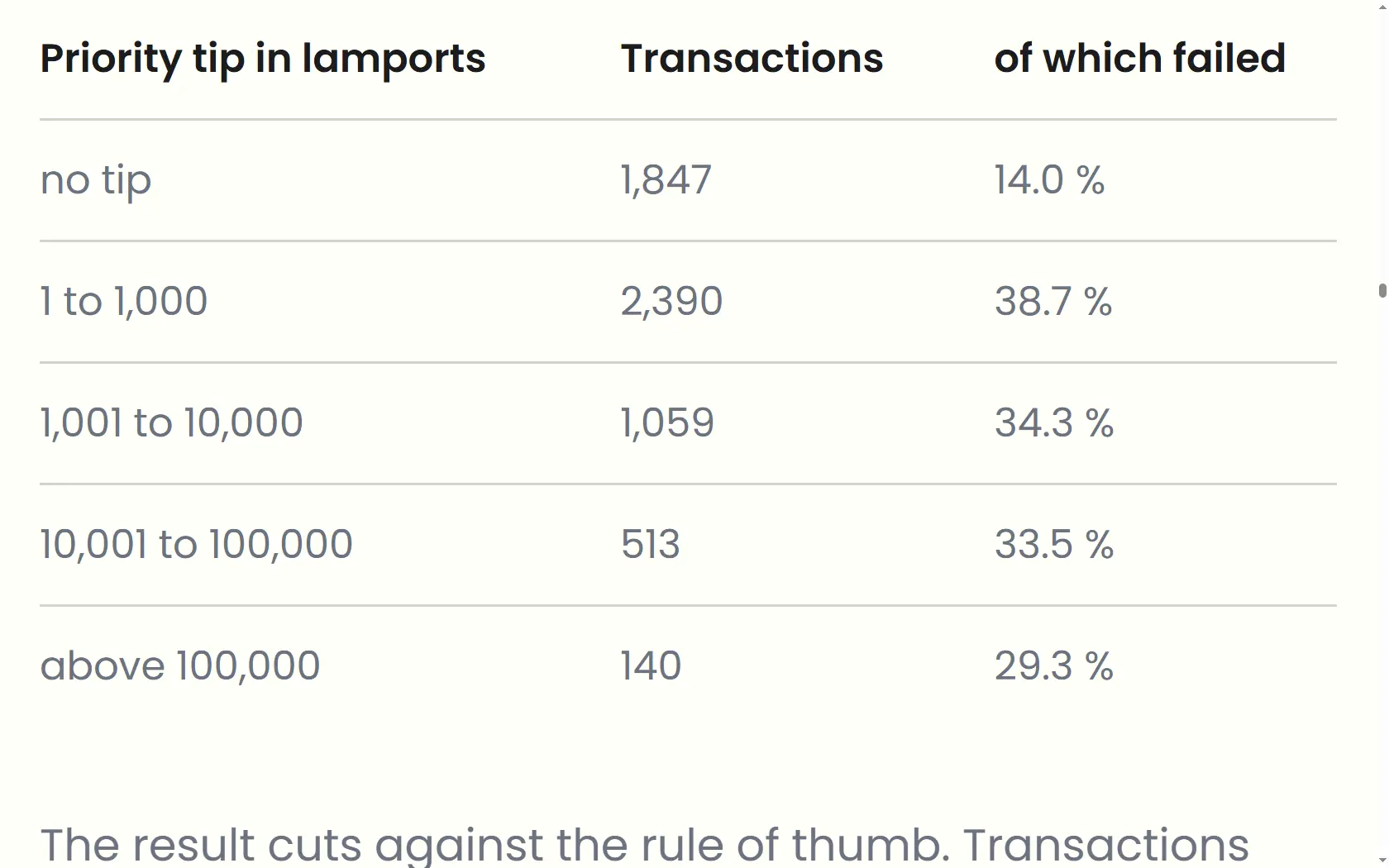
The competition between bots is particularly significant. Data collected by CryptoTicker indicated that 14% of the times, transactions sent without priority fee failed. Yet, transactions with a small priority fee failed 38.7% of the time.
The likely scenario is that those pay for faster processing to make quick trades, maybe even exploit arbitrage opportunities.
Solana failure rate is a bot problem
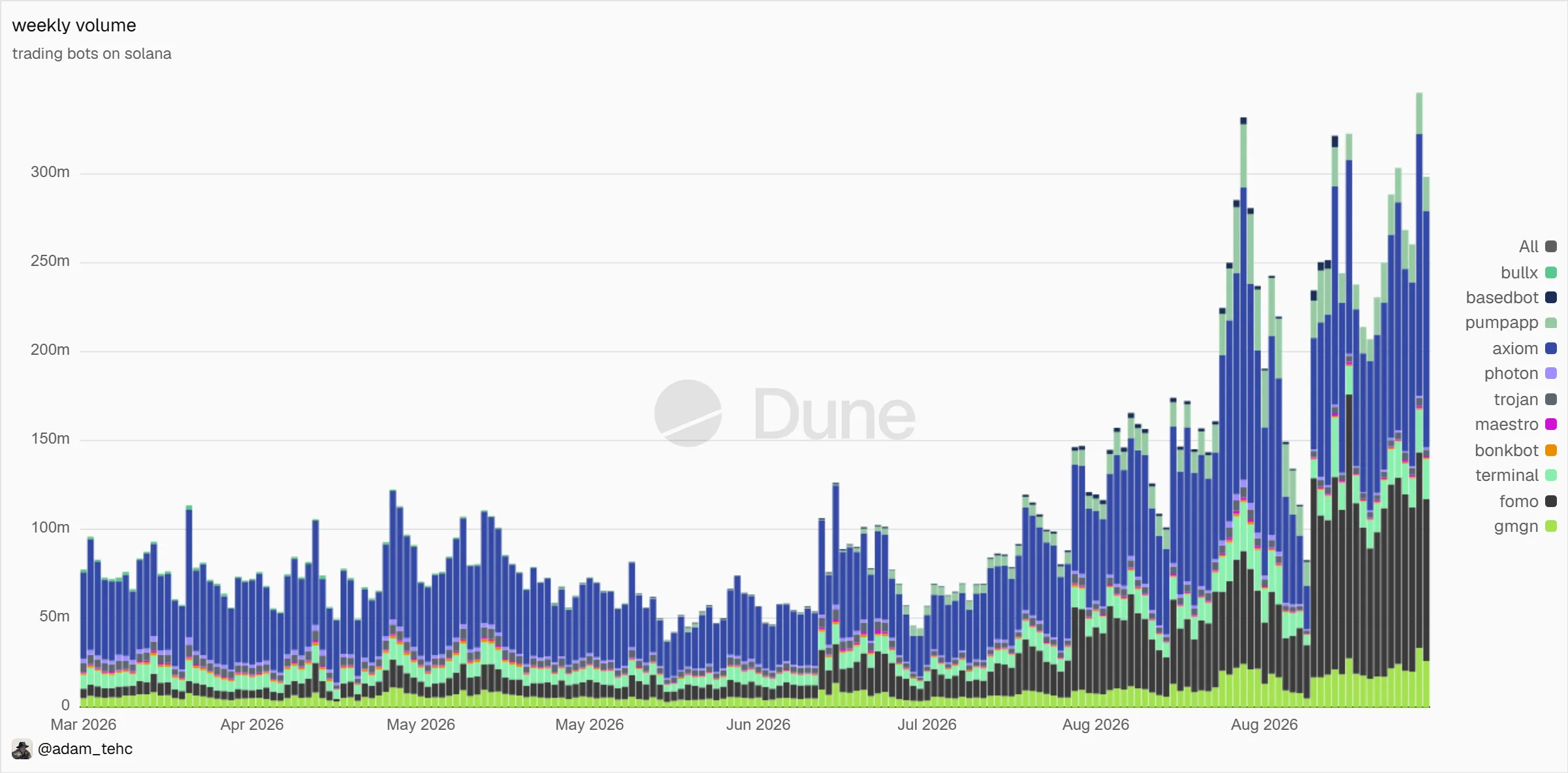
A recent study looked at activity on the Solana blockchain over a year and split accounts into two groups: bots and humans. They used things like how often accounts made transactions and when they did them to figure this out. The study was pretty accurate, they said.
The results were stark:
| Account type | Failure rate |
| Bots | 58.43% |
| Human accounts | 6.22% |
In essence, while 322.6 million bot transactions passed, about 453.5 million failed. By comparison, human accounts saw about 2.98 million successes against just 197,535 failures.
This means when people say “one in three transactions fail,” it doesn’t tell the whole story. That number is high because of lots of busy bots that often fail.
Regular real users, on the other hand, don’t see many failed transactions. The one in three figure is primarily about many automated trades.
It gets worse in a squeeze
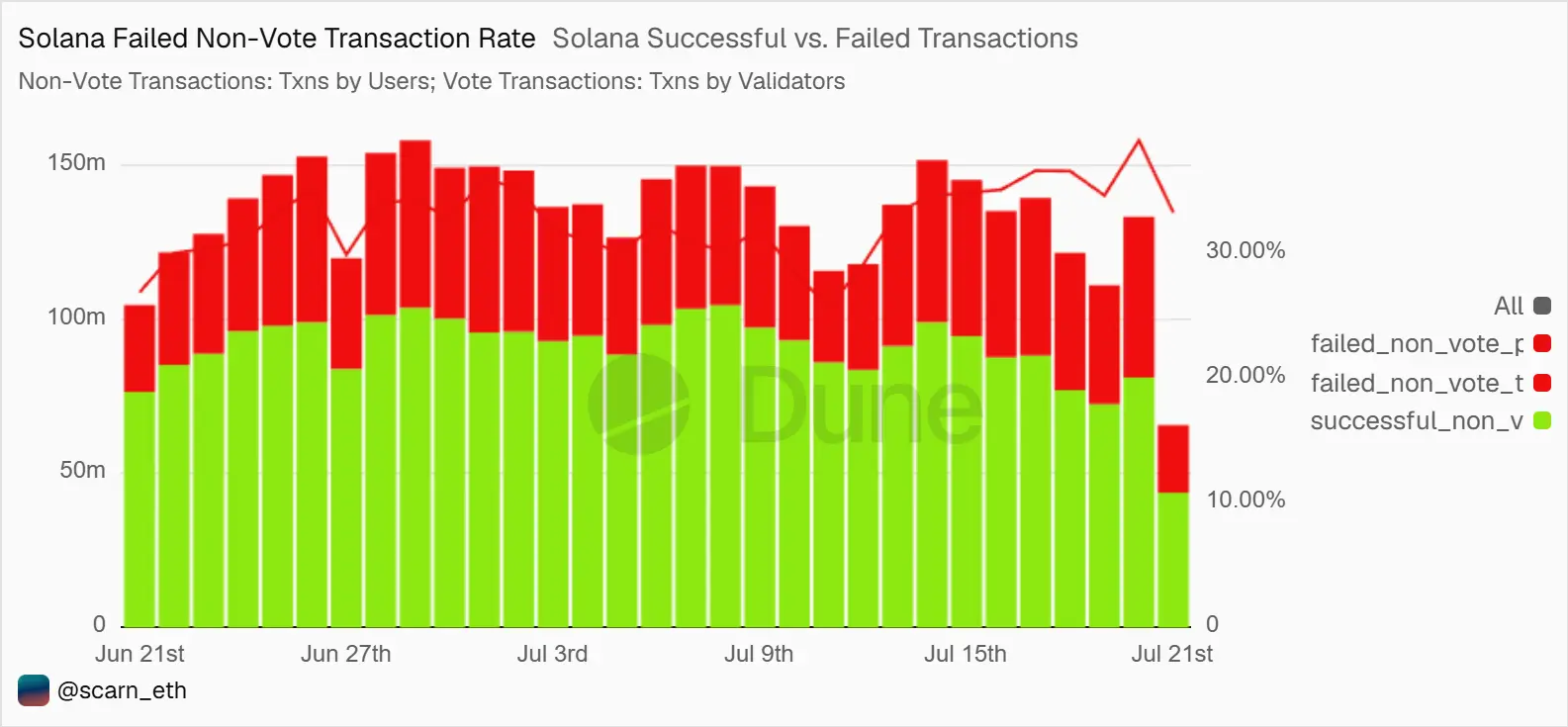
During the 2024 memecoin trading surge, Dune Analytics dashboards showed Solana’s failure rate climbing toward 70-75%, before easing back to around 37% by mid-September that year.
This surge is similar to how much bot activity was competing for the same trades at the same time.
Dune’s own dashboard failure count captures only transactions included in a block and then rejected by smart contract logic.
If a transaction never made it to a block leader, it is not counted as “failed.” Hence, visible failure rate can look high because of bot noise? And still miss a separate category of failure that users actually experience as a stuck or vanished transaction.
Failure isn’t the same as an outage
Notice, “Solana fails a third of the time” and “Solana goes down” are two completely different claims. The Solana network has maintained 100% uptime since February 2024, according to the network’s own data.
An August 12, 2026 infrastructure-routing incident briefly affected close to 29% of network stake without halting block production.
Why this number matters
Every failed transaction still costs a fee. Users, including ordinary ones caught in a congested moment, can pay for nothing.
Traders and builders relying on published failure-rate charts need to know whether they’re looking at a bot-driven number or a human one. Designing around the wrong figure means either overbuilding for a problem you don’t have or underestimating one you do.
For anyone evaluating Solana against other chains, “one in three fails” is a very different story once you know it’s largely bots failing against each other, not a coin flip on your own swap.

Dan is a seasoned crypto writer for Blockchaindose who got his start in the space back in 2019. Over the past four years, he’s built a solid grasp of how the industry moves, focusing heavily on DeFi, NFTs, GameFi, and promising new projects.
Off the clock, you’ll usually find him buried in a good book or kicking back with a movie. His blend of hands-on market experience and straightforward commentary makes him a clear, trusted voice across the platform.