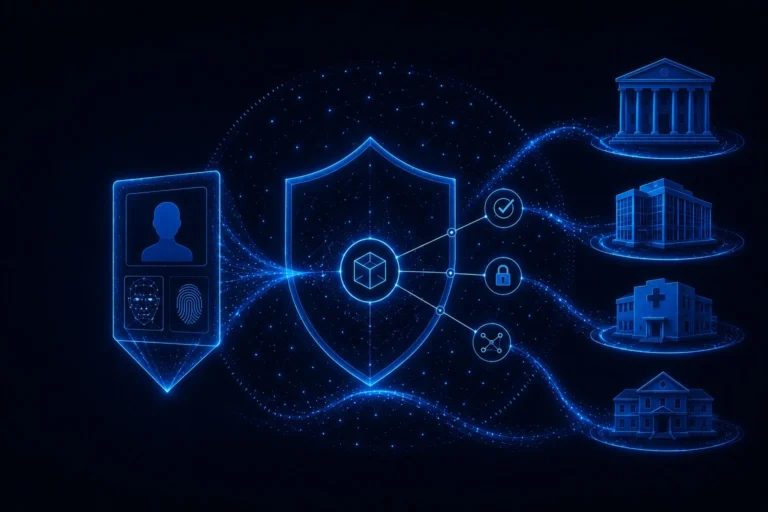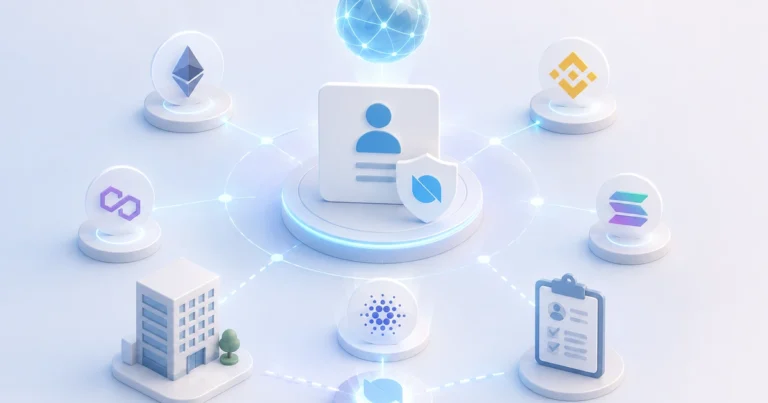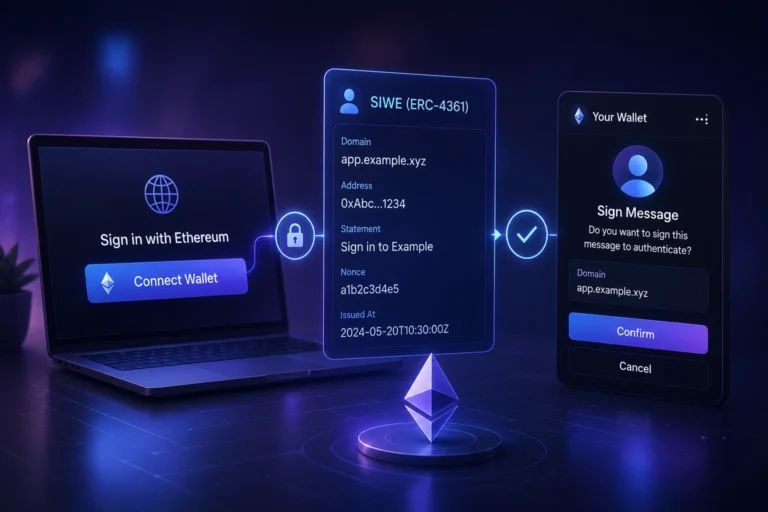

Digital identity in Web3 still faces challenges, as most platforms rely on centralized systems to verify users and establish trust. Soulbound Tokens (SBTs) offer an alternative by providing non-transferable blockchain-based credentials that represent achievements, affiliations, and digital reputation. They could help decentralized applications recognize users beyond their transaction history while reducing the need to share personal information. However, their permanence also raises concerns about privacy, user control, and the reliability of recorded information.
Key takeaways
- Soulbound Tokens are non-transferable blockchain tokens designed to represent identity-related credentials, achievements, or affiliations.
- They could make educational qualifications, professional credentials, memberships, and digital reputation easier to verify.
- SBTs may help decentralized platforms reduce Sybil attacks and improve access to reputation-based services.
- Their long-term usefulness depends on issuer credibility, privacy protection, revocation, and wallet recovery.
Definition
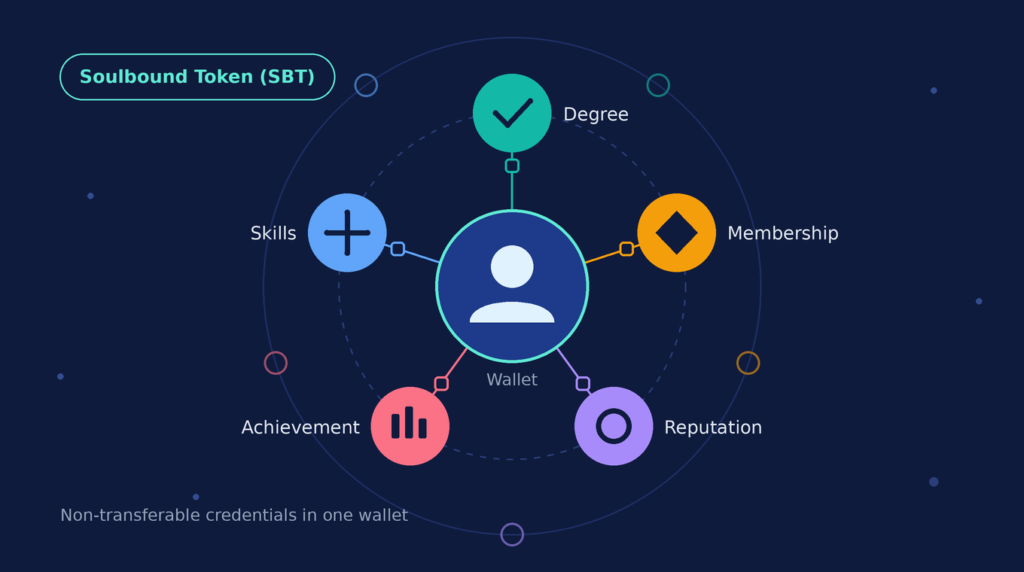
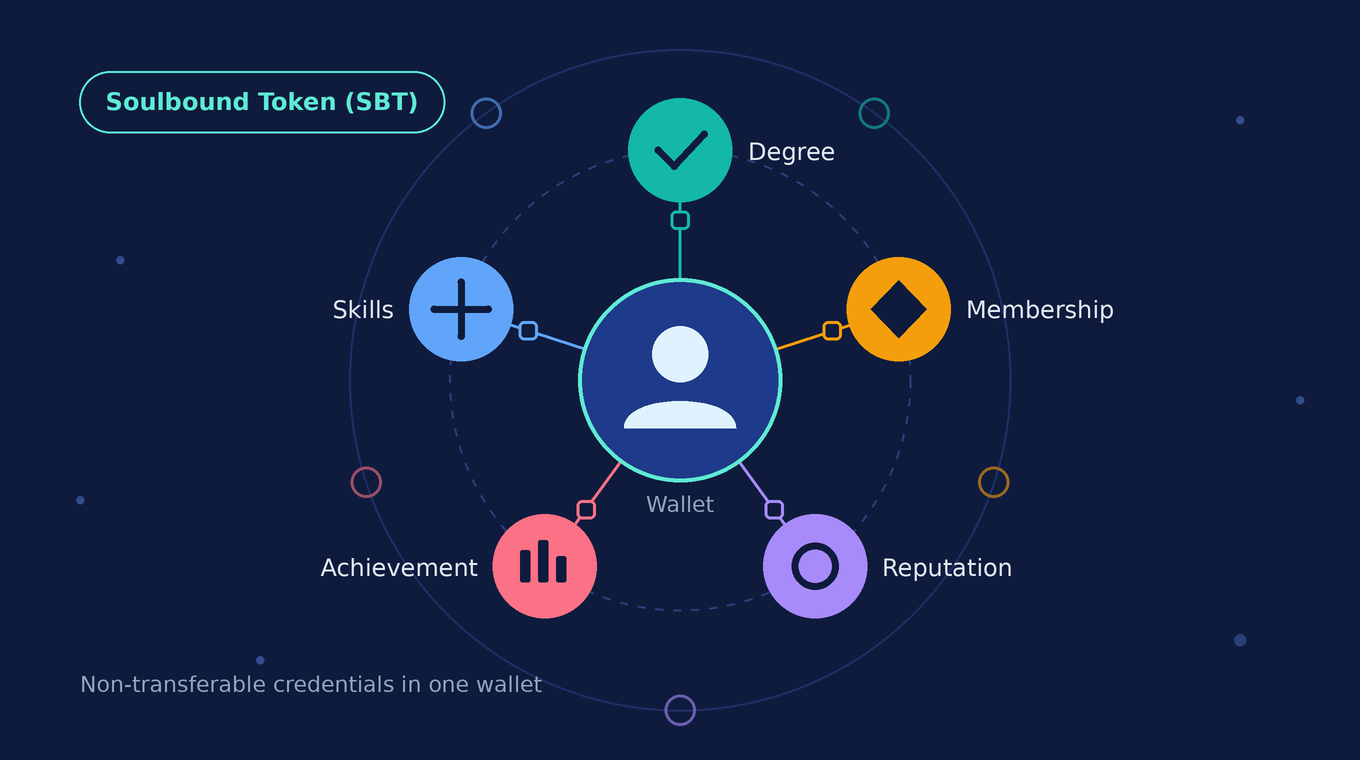
Soulbound Token (SBT) is a blockchain-based token designed to remain associated with a particular wallet rather than being freely transferable. It can represent credentials, achievements, memberships, or other identity-related records that are not intended to be traded.
7 Ways Soulbound Tokens Could Change Digital Identity
1. Soulbound Tokens Could Make Digital Credentials Easier to Verify
Traditional digital credentials often depend on documents, emails, or databases controlled by the organization that issued them. Verifying a degree, professional certificate, or membership may require contacting the institution or checking a separate verification system. This process can become inconvenient when credentials need to be verified across different countries, employers, or digital platforms.
How Soulbound Tokens Work in Digital Credential Verification
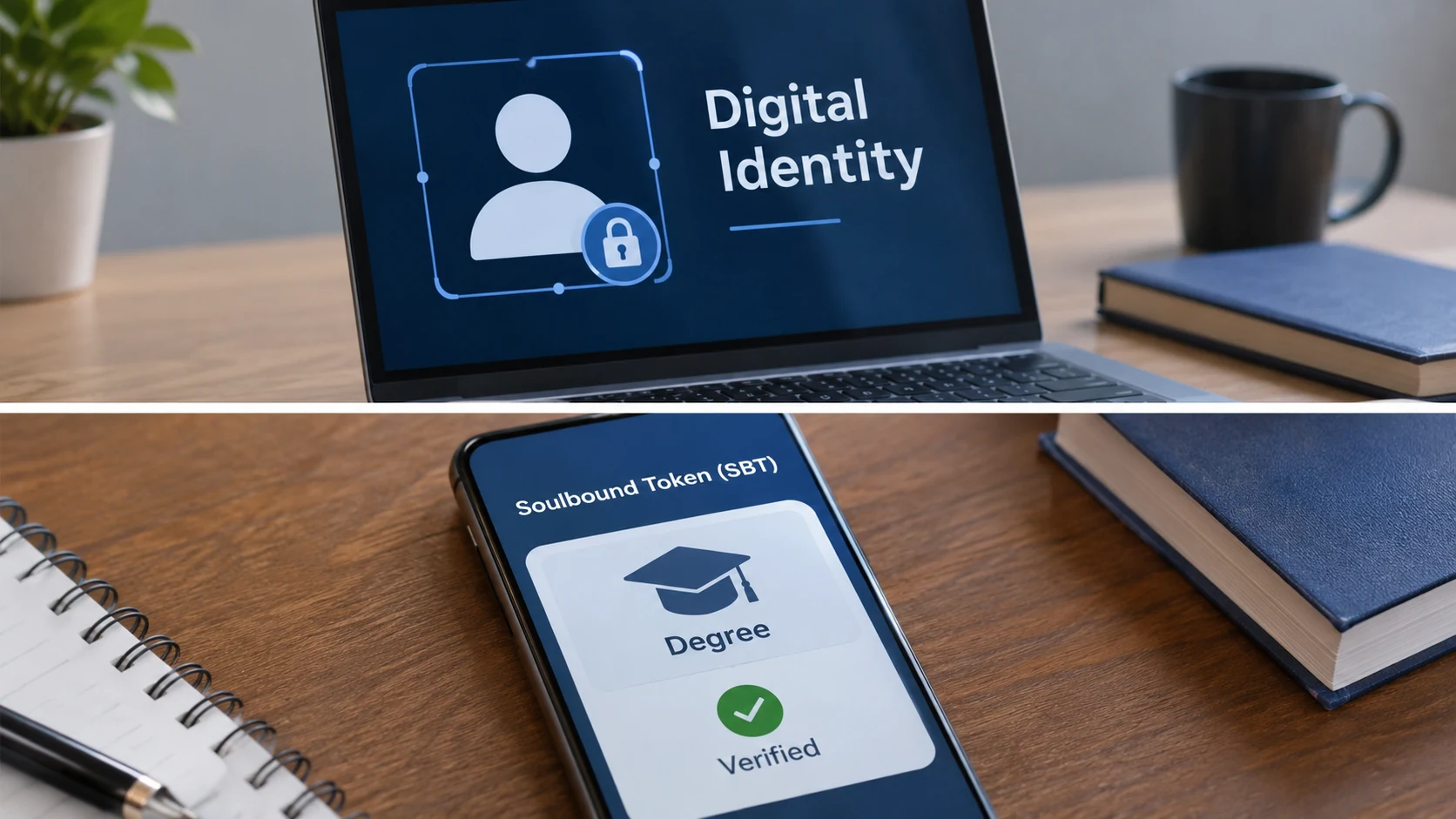
Soulbound Tokens could simplify this process by allowing institutions to issue blockchain-based credentials directly to a user’s wallet. A university, for example, could issue an SBT after a student completes a degree. When applying for a job, the graduate could present the credential, allowing an employer to check its authenticity and issuing institution. The benefit is not simply replacing a certificate with a token. It is making credentials easier for compatible applications to recognize without depending entirely on isolated databases. The concept was explored in the 2022 research paper Decentralized Society: Finding Web3’s Soul, which proposed using SBTs to represent credentials, commitments, and affiliations within decentralized systems.
2. They Could Give Web3 Reputation More Meaning
Blockchain wallets typically reveal transaction history, token holdings, and interactions with smart contracts, but these records do not necessarily explain who is behind the activity or how they have contributed to a community.
Soulbound Tokens could introduce a more meaningful layer of reputation by recording achievements, memberships, completed activities, or contributions. A developer might hold credentials from hackathons, educational programs, and open-source communities. A decentralized application could use those records to identify experienced contributors instead of relying exclusively on wallet age or transaction volume.
How Soulbound Tokens Could Transform Reputation-Based DeFi Lending
This could also affect decentralized finance. Lending platforms traditionally depend on collateral to protect against default because assessing borrowers through conventional credit records is difficult in permissionless environments. Verified credentials or reputation-based records could eventually support alternative lending models where users qualify for certain services based on more than the assets they hold. Nevertheless, reputation built through SBTs would remain incomplete. A wallet containing several achievement tokens does not automatically demonstrate financial responsibility, honesty, or expertise. The quality of the reputation system depends on who issues the credentials, what they represent, and how applications interpret them
3. SBTs Could Reduce Sybil Attacks and Manipulation
Sybil attacks remain a major problem for Web3 projects that distribute rewards or voting power based on participation. An attacker can create numerous wallets to make a single entity appear to represent multiple independent users. This can distort airdrop allocations, referral campaigns, governance votes, and community incentives.
Soulbound Tokens could help address this problem by introducing credentials associated with verified participation, identity checks, or recognized community activity. Instead of treating every wallet as an independent participant, a decentralized application could evaluate whether an account holds credentials that support its eligibility.
For example
A DAO distributing voting privileges might recognize credentials from trusted community programs or previous participation. This could make it more difficult for an attacker to gain influence simply by creating hundreds of new wallets.
Myth vs fact
SBTs eliminate Sybil attacks.
They can make certain attacks more difficult but cannot eliminate identity manipulation.
4. They Could Connect Online Achievements With Professional Identity
Digital achievements are spread across different platforms. A person’s education may be recorded by a university, professional experience by an employer, technical contributions by GitHub, and participation by Web3 communities. These records are not always easy to combine into a single verifiable profile.
Soulbound Tokens could help connect these achievements through wallet-based credentials. Universities, employers, training providers, professional organizations, and community platforms could issue tokens that represent specific qualifications or participation.
FOR example
A developer applying for a Web3 position, could demonstrate completed training, participation in hackathons, or contributions recognized by an established community. Rather than relying entirely on screenshots or self-reported information, an employer could check the credentials and their issuers.
Expanding Digital Reputation Across Decentralized Communities
This could also benefit freelancers and contributors who work across multiple decentralized communities. Their reputation would not necessarily be limited to a single employer or platform, making it easier to carry verified achievements between digital environments.However, there is an important limitation. Credentials should not become a requirement for every opportunity. People who are new to a field, unable to access formal education, or working outside recognized organizations may have valuable skills without the tokens needed to demonstrate them. A reputation system that relies too heavily on credentials could create new barriers instead of improving access.
5. SBTs Could Improve Access to Communities, Services, and Governance
Web3 communities frequently use token ownership, wallet history, or participation requirements to determine who can access certain services. These systems can be difficult to manage when assets are transferable or users can easily create new wallets to bypass eligibility requirements.
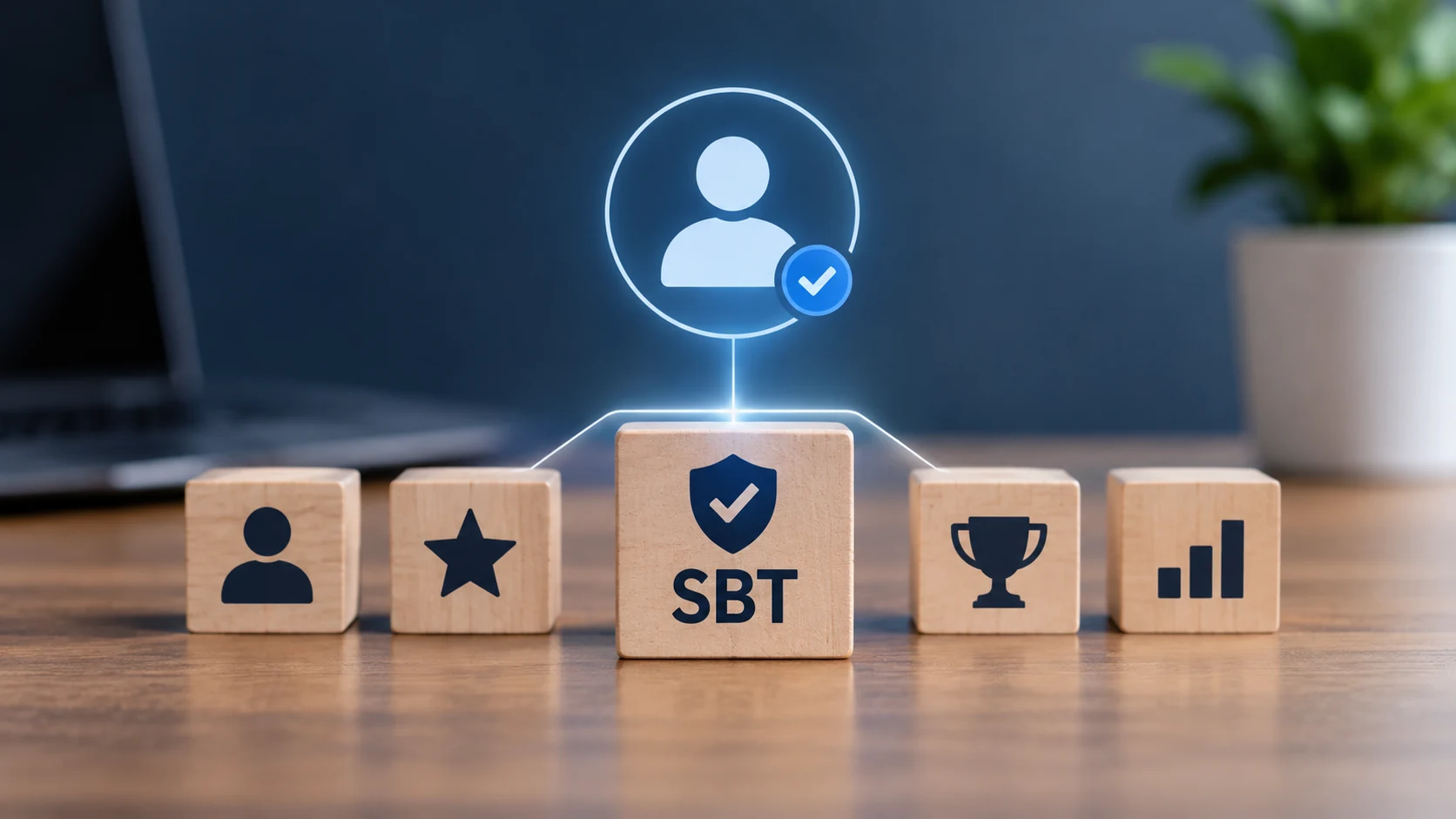
Soulbound Tokens could provide a different mechanism. An organization might issue an SBT to verified members, event participants, contributors, or individuals who complete a particular activity. Compatible applications could then use the credential to grant access to community channels, events, governance features, or exclusive services.
FOR example
An organizer could issue attendance credentials to people who participate in a blockchain conference. Later, another event could recognize those credentials when offering returning participants access to a special discussion group or networking session.
ERC-5192 and the Standardization of Soulbound Tokens
Ethereum’s ERC-5192 standard provides an interface for identifying non-transferable NFTs, helping applications distinguish tokens that are soulbound from conventional transferable NFTs. This type of standardization can improve compatibility between wallets, marketplaces, and applications, although developers still need to determine how credentials are issued and what permissions they provide.
The value of this approach depends on the credential being meaningful. If anyone can obtain the same token without completing the activity it represents, it offers little advantage over an ordinary digital badge.
6. They Could Support More Accountable Digital Identity Systems
Reducing Dependence on Centralized Identity Platforms
One challenge with digital identity is balancing verification with user control. Centralized platforms often require users to repeatedly submit information, while public blockchains allow activity to be linked to wallet addresses that may reveal more than users intend. Soulbound Tokens could offer an alternative by allowing institutions to issue specific credentials that establish organizational membership, course completion, or verified identity without requiring users to depend on a single platform for every verification.
Binance’s BAB Token: A Real-World Example
Binance introduced its Binance Account Bound (BAB) token on BNB Chain in September 2022 as a credential for users who had completed its KYC verification. The token represented verified Binance identity status and allowed participating Web3 projects to use that credential for certain activities. This demonstrated how SBTs could connect traditional identity verification with decentralized applications, allowing other platforms to recognize an existing verification.
The Limitations of Institution-Issued Credentials
However, this model does not eliminate dependence on centralized organizations. When a credential relies on a company’s KYC system, users still depend on that company to verify and maintain the underlying information. SBTs may make credentials easier to recognize across platforms, but they do not automatically make the verification process decentralized or guarantee complete user privacy.
7. They Could Reshape Digital Identity, but Privacy Remains the Biggest Challenge
Privacy Risks of Publicly Verifiable Credentials
Soulbound Tokens could make identity-related information more persistent and easier to verify, but these characteristics also create privacy risks. If a wallet contains credentials related to education, employment, memberships, or financial activity, someone examining its public records could potentially build a detailed picture of the holder’s life. This becomes particularly concerning when multiple records are linked to the same wallet or applications require users to disclose information unrelated to a particular service.
Token Permanence and the Problem of Outdated Credentials
Token permanence also raises questions about mistakes and changing circumstances. Credentials may become outdated, be issued incorrectly, or need to be removed after a membership expires. Ethereum’s ERC-5484 standard addresses part of this issue by establishing burn authorization between the issuer and recipient before an SBT is issued. Under the standard, a token cannot be transferred but may be burned according to the agreed authorization.
Can Privacy-Preserving Technology Address These Risks?
Future identity systems may combine SBTs with privacy-preserving cryptographic techniques, allowing users to prove specific information without disclosing every underlying detail. Such approaches could make credentials more useful while reducing the privacy risks associated with publicly visible identity records.
Risk notice
Privacy Risk: Linking multiple credentials to a public wallet may expose personal affiliations, qualifications, and activity history. Users should avoid placing sensitive information directly on-chain and should consider how credentials can be revoked, recovered, or selectively disclosed before using identity-based applications.
My Perspective on Soulbound Tokens
Personally, I think Soulbound Tokens are one of the most interesting ideas in Web3 because they could give people a digital identity that reflects their achievements, experience, and reputation rather than just their wallet activity. I like the idea of being able to prove that someone completed a course, contributed to a project, or earned a particular credential without having to rely entirely on centralized platforms. However, I think the biggest challenge is making sure this information doesn’t become a permanent record that people cannot escape. Mistakes, outdated credentials, and personal information should not follow someone forever. For Soulbound Tokens to become genuinely useful, I believe they need to offer a balance between trustworthy digital credentials and users’ control over their own information.
Q1: Can Soulbound Tokens Be Transferred to Another Wallet?
No. Soulbound Tokens are designed to remain associated with the wallet to which they are issued. Unlike conventional NFTs, they cannot be freely transferred or traded between users.
Q2: What Happens If Someone Loses Access to Their Wallet Containing SBTs?
Losing access to a wallet could make its associated credentials difficult to access. Recovery depends on the wallet infrastructure and whether the issuing platform or identity system provides a recovery mechanism.
Q3: Can Someone Have Multiple Soulbound Tokens in One Wallet?
Yes. A single wallet can hold multiple SBTs issued by different institutions, organizations, or platforms. These tokens can represent separate qualifications, memberships, achievements, and participation records.
Q4: Are Soulbound Tokens Available on Blockchains Other Than Ethereum?
Yes. The concept is not limited to Ethereum. Soulbound-style credentials can be implemented on other blockchain networks, provided their infrastructure supports non-transferable tokens or similar credential mechanisms.

Muhammad Mubashir is a crypto enthusiast who has been in the Web3 space since 2019 and writing content for major industry platforms since 2024. They specialize in blockchain architecture, Layer 1/2 solutions, NFTs, DeFi, and Web3 technologies, and enjoy gaming in their free time.