Crypto guides simplify complex topics, helping you navigate in the blockchain space. Some focus on investing, trading, and mining, breaking down risks and strategies. Others cover staking, yield farming, and airdrops, explaining how to earn passive income. NFTs bring new opportunities but require understanding marketplaces and security. Here, we break down essential crypto guides with expert insights, practical tips, and easy-to-follow explanations.
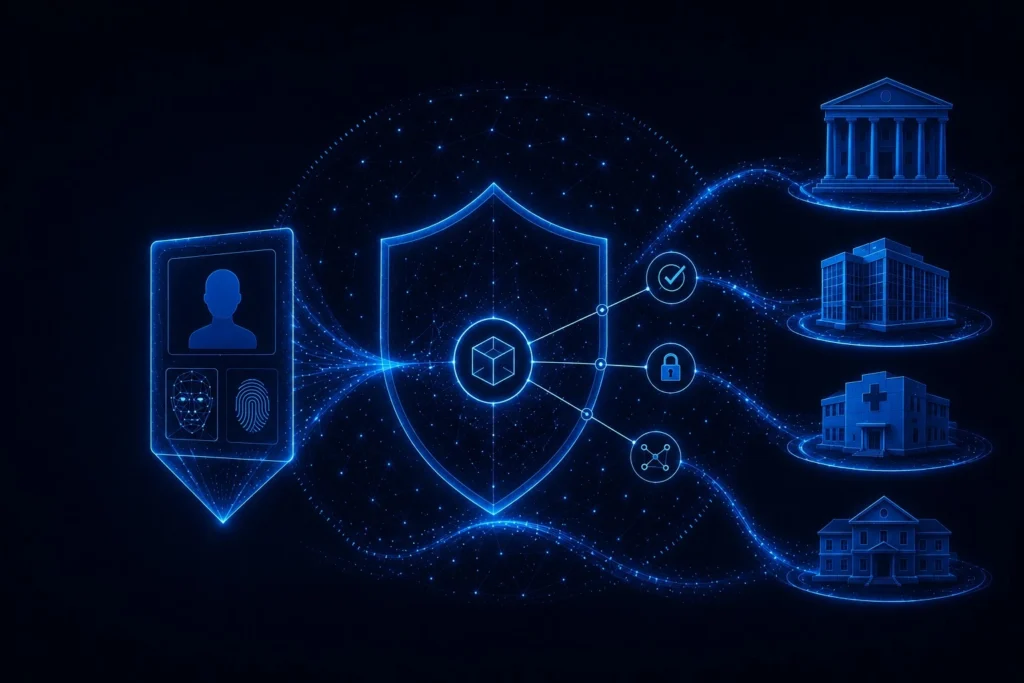
The best decentralized identity solutions solve a simple problem: every login you have ever created lives in someone else’s database, not yours. This corner of decentralized digital identity technology has moved from whitepaper to standard fast – though the category’s most visible product, World ID, is also currently a case study in how that promise ...
Privado ID zero knowledge credentials solve a problem every DeFi user has felt: submitting the same passport scan to a fifth different service this month. Formerly Polygon ID, Privado ID is one of the more mature products in decentralized digital identity. It lets a proof travel where the underlying document never does. Key Takeaways What ...
A Web3 wallet functions as an identity layer, a transaction signer, and the primary interface between users and blockchain-based applications. For development teams, the wallet architecture represents the most risk-sensitive component of the stack—a single vulnerability can result in direct financial loss with no recourse mechanism. This guide examines the technical architecture, security protocols, and ...
ONT ID multi chain identity exists for a specific enterprise fear: locking a company’s entire identity infrastructure into one blockchain that might not be the winning ecosystem five years from now. Ontology built ONT ID from the start as a decentralized digital identity framework that is explicitly not limited to its own chain. Key Takeaways ...
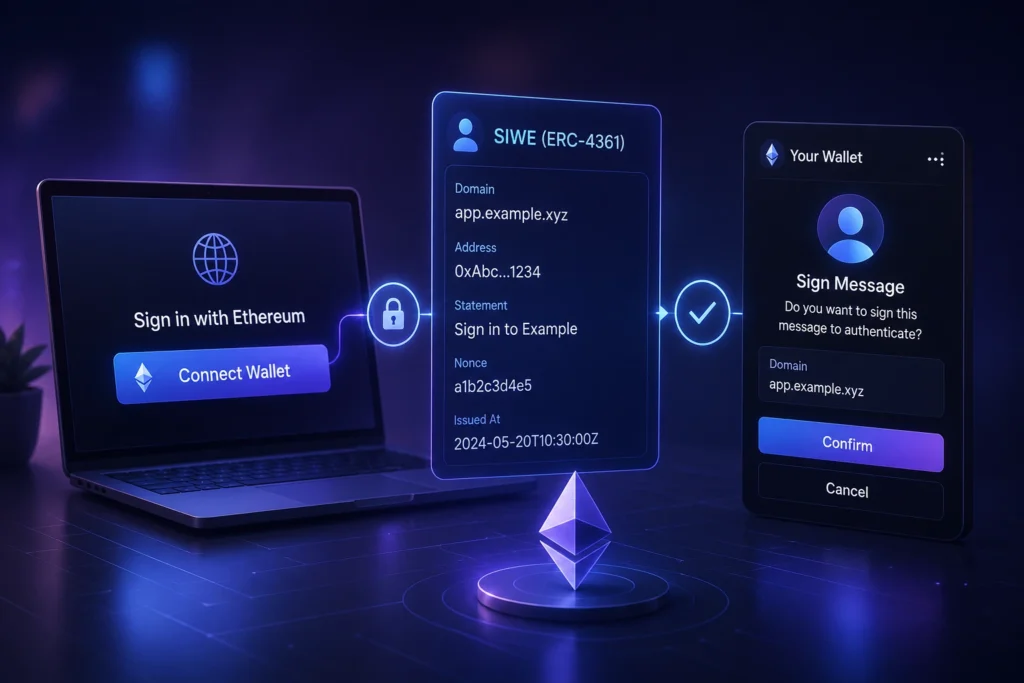
The Sign-In with Ethereum standard replaces the password field with something you already own: a wallet signature. Where most dApp development guides treat wallet login as an implementation detail, SIWE is the actual specification behind that “Connect Wallet” button – and as of 2025, it is no longer a draft. Key Takeaways This guide covers ...
World ID proof of personhood answers one question at internet scale: is the account behind a request a real, unique human, or a bot? The Sam Altman-backed project scans a user’s iris with a device called the Worldcoin Orb to issue the proof. In doing so it became the most recognizable product in decentralized digital ...
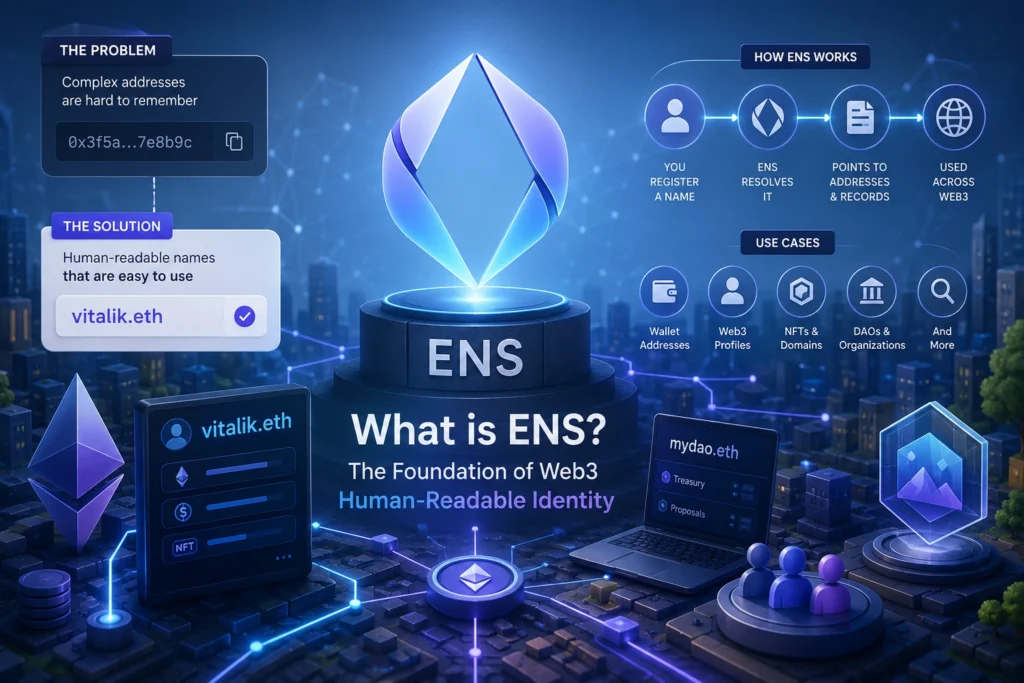
What is ENS? The Foundation of Web3 Human-Readable Identity Understanding how Ethereum Name Service works starts with a familiar frustration: nobody wants to copy-paste a 42-character wallet address to get paid. ENS solves this the same way DNS solved it for the early internet – and it has quietly become the easiest on-ramp into decentralized ...
NFT software development looks very different in 2026 than it did during the 2021 hype cycle. The speculative mania has faded, but the engineering discipline has matured: token standards are battle-tested, Layer 2 fees have collapsed to fractions of a cent, and the conversation among developers has shifted from getting rich to asking when the ...
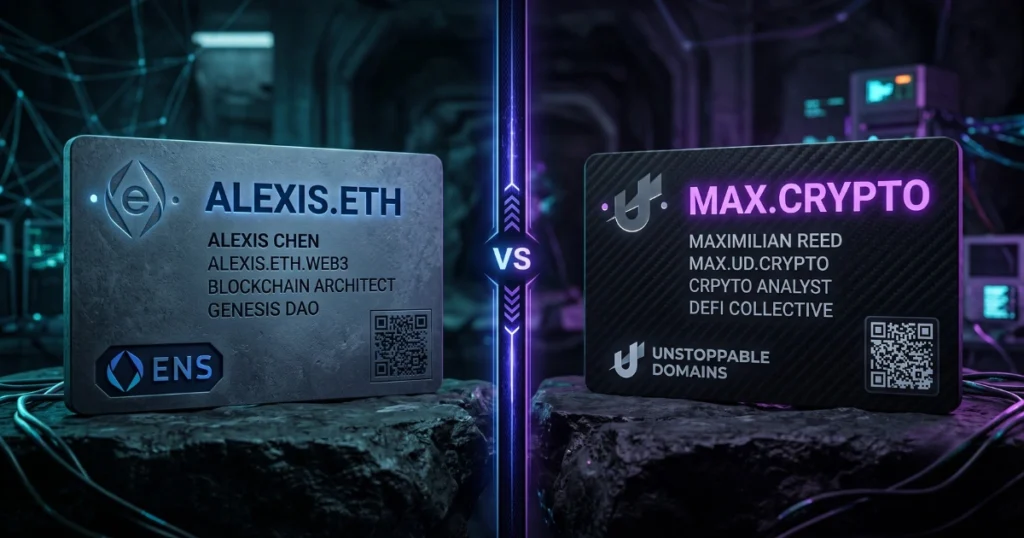
The ENS vs Unstoppable Domains debate has been running in crypto communities for years, and in 2026 it finally has real stakes. ENS has passed 2.8 million registered .eth names as of early 2026, while Unstoppable Domains reports over 4.2 million registered domains (a self-reported figure from the company itself). Both projects solve the same ...
NFT smart contracts are the technical foundation behind every digital collectible, on-chain artwork, and tokenized asset you see traded today. Without them, there is no verifiable ownership, no automated royalty, and no way to prove authenticity at the blockchain level. As the global NFT market was valued at approximately $43 billion in 2025 according to ...
To enhance your experience, we use cookies. Consent helps us process data like browsing behavior. Denying may affect site features.
Functional
Always active
The technical storage or access is strictly necessary for the legitimate purpose of enabling the use of a specific service explicitly requested by the subscriber or user, or for the sole purpose of carrying out the transmission of a communication over an electronic communications network.
Preferences
The technical storage or access is necessary for the legitimate purpose of storing preferences that are not requested by the subscriber or user.
Statistics
The technical storage or access that is used exclusively for statistical purposes.The technical storage or access that is used exclusively for anonymous statistical purposes. Without a subpoena, voluntary compliance on the part of your Internet Service Provider, or additional records from a third party, information stored or retrieved for this purpose alone cannot usually be used to identify you.
Marketing
The technical storage or access is required to create user profiles to send advertising, or to track the user on a website or across several websites for similar marketing purposes.