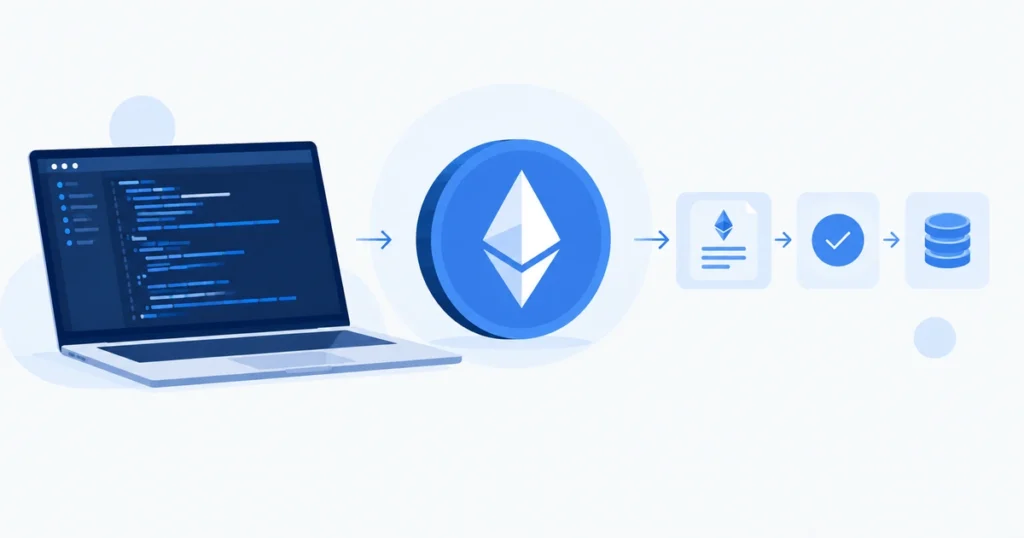
Smart contracts run automated transactions on blockchain networks without intermediaries. Some power DeFi apps, like lending and trading platforms, while others handle NFTs, gaming, and identity verification. Security risks, coding errors, and network fees affect their reliability. Here, we break down smart contracts with expert insights & beginner-friendly guides.
Making a token on an existing blockchain is today something that takes minutes and costs cents. Open-source libraries and already-resolved standards eliminated the technical barrier. The result is a market flooded with new tokens: CoinGecko analyzed 18.67 million tokens launched on Pump.fun and found that 68.67% stopped trading on the same day of their creation. Only 4.55% remained active ...
NFT smart contracts are the technical foundation behind every digital collectible, on-chain artwork, and tokenized asset you see traded today. Without them, there is no verifiable ownership, no automated royalty, and no way to prove authenticity at the blockchain level. As the global NFT market was valued at approximately $43 billion in 2025 according to ...
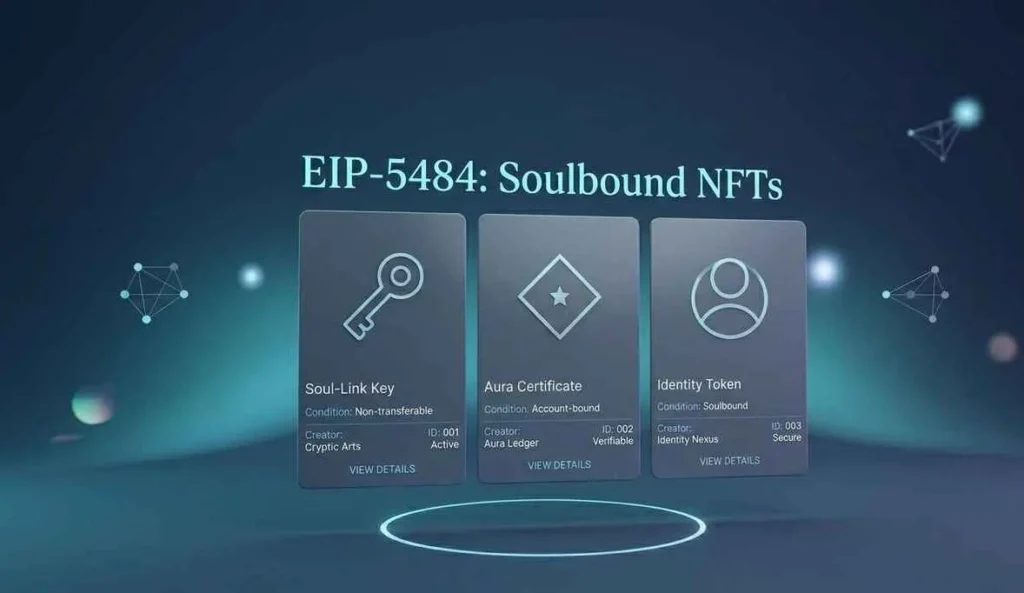
Traditional “soulbound” NFTs (non-transferable) were implemented by blocking the transferFrom function or reverting any movement. But this approach has a fundamental flaw: the token stays trapped forever in the same wallet, even if the user violates the terms of a service or the credential expires. EIP-5484 introduces a much more flexible standard: conditional burning. Instead ...
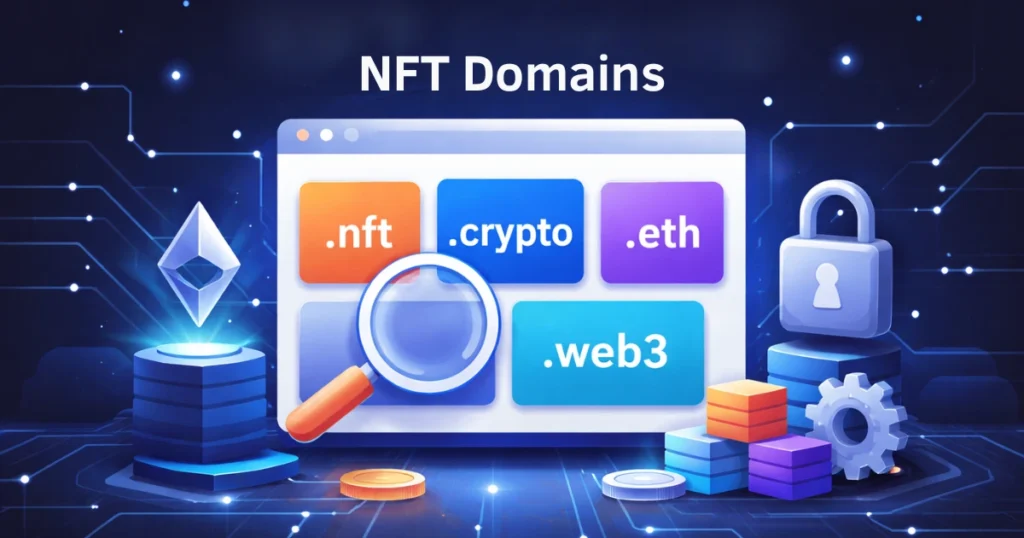
Key Takeaways Most people think they own their domain. They don’t. They’re renting it, year after year, from a registrar that can suspend, transfer, or simply take it away. With over 157.2 million .COM registrations active as of Q1 2025, the traditional domain market is massive. But a quiet shift is happening underneath it. NFT ...
Ethereum runs on a decentralized network, and to keep it going, we need clients. Ethereum clients are software that allow your computer to participate in the Ethereum network. They validate transactions, execute smart contracts, and sync with the blockchain. When it comes to Ethereum clients implementations, think of them as tools that make sure the ...
Manage Cookie Consent
To enhance your experience, we use cookies. Consent helps us process data like browsing behavior. Denying may affect site features.
Functional
Always active
The technical storage or access is strictly necessary for the legitimate purpose of enabling the use of a specific service explicitly requested by the subscriber or user, or for the sole purpose of carrying out the transmission of a communication over an electronic communications network.
Preferences
The technical storage or access is necessary for the legitimate purpose of storing preferences that are not requested by the subscriber or user.
Statistics
The technical storage or access that is used exclusively for statistical purposes.The technical storage or access that is used exclusively for anonymous statistical purposes. Without a subpoena, voluntary compliance on the part of your Internet Service Provider, or additional records from a third party, information stored or retrieved for this purpose alone cannot usually be used to identify you.
Marketing
The technical storage or access is required to create user profiles to send advertising, or to track the user on a website or across several websites for similar marketing purposes.