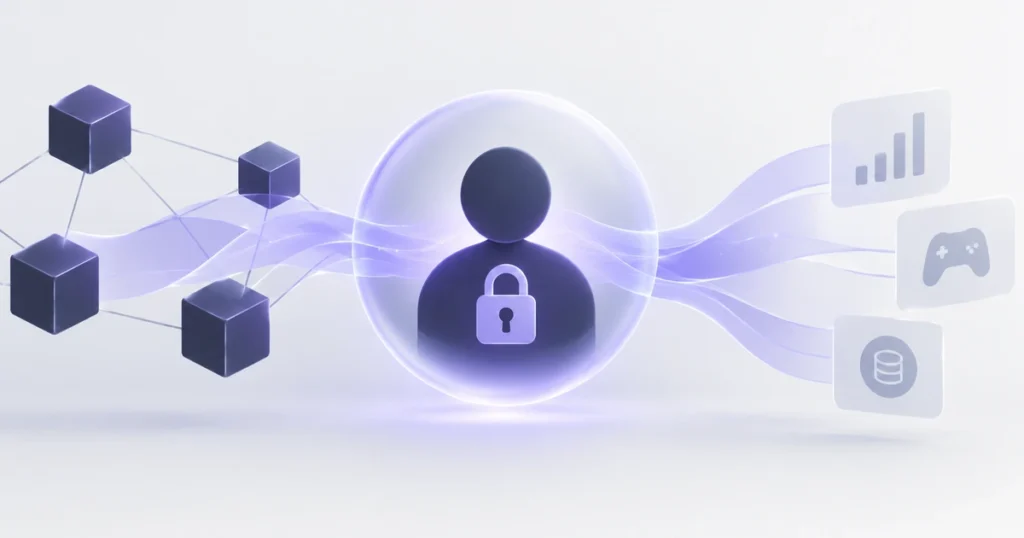
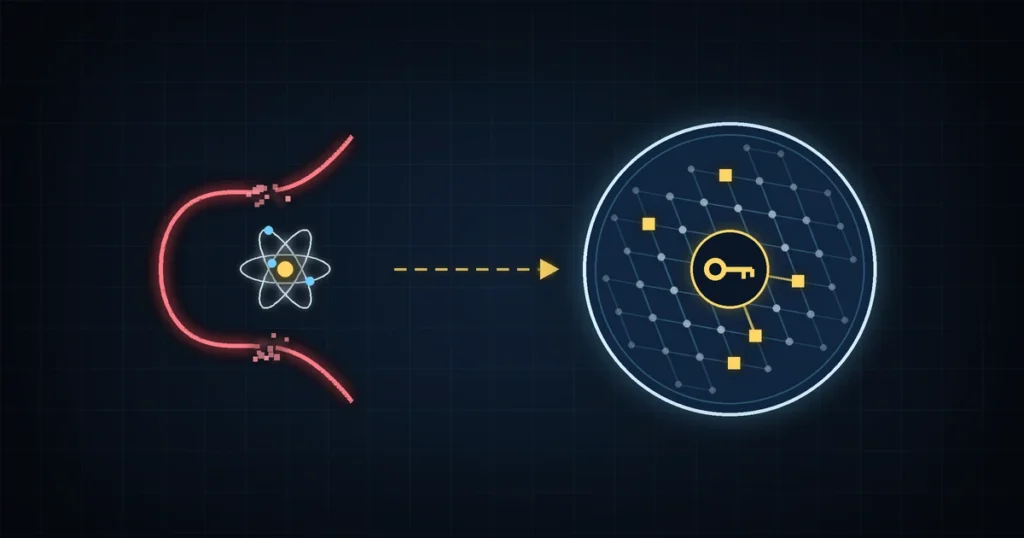
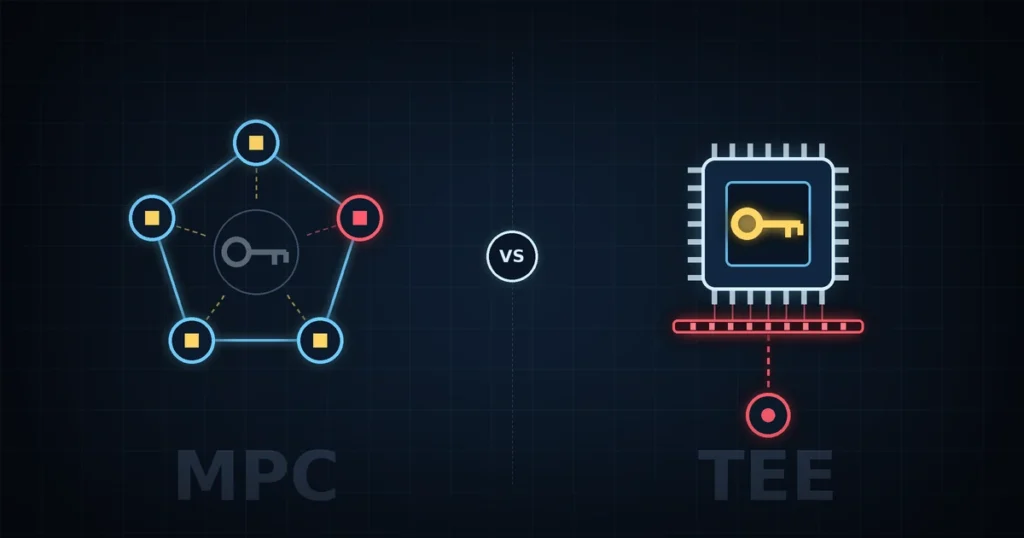
Secret Network blockchain was the first public chain to run smart contracts that keep their inputs, outputs, and state fully encrypted, a feature that most privacy blockchains still can’t match. Built on the Cosmos SDK rather than Ethereum, it lets developers add confidentiality to DeFi, NFTs, and even AI workloads without asking users to trust ...
Learning how to become a blockchain developer is less about mastering one language and more about understanding an entirely different execution environment – one where code is public, mistakes are permanent, and smart contracts handle real money the moment they go live. The technical skills are learnable in months; what actually determines whether someone builds ...
NFT bridge security is the difference between cross-chain interoperability and a system vulnerable to multimillion-dollar theft. Bridges have become the central infrastructure connecting every NFT marketplace and chain, and attackers have noticed: bridge exploits are now among the largest thefts in crypto history, and a single mistake in key management can lead to the loss ...
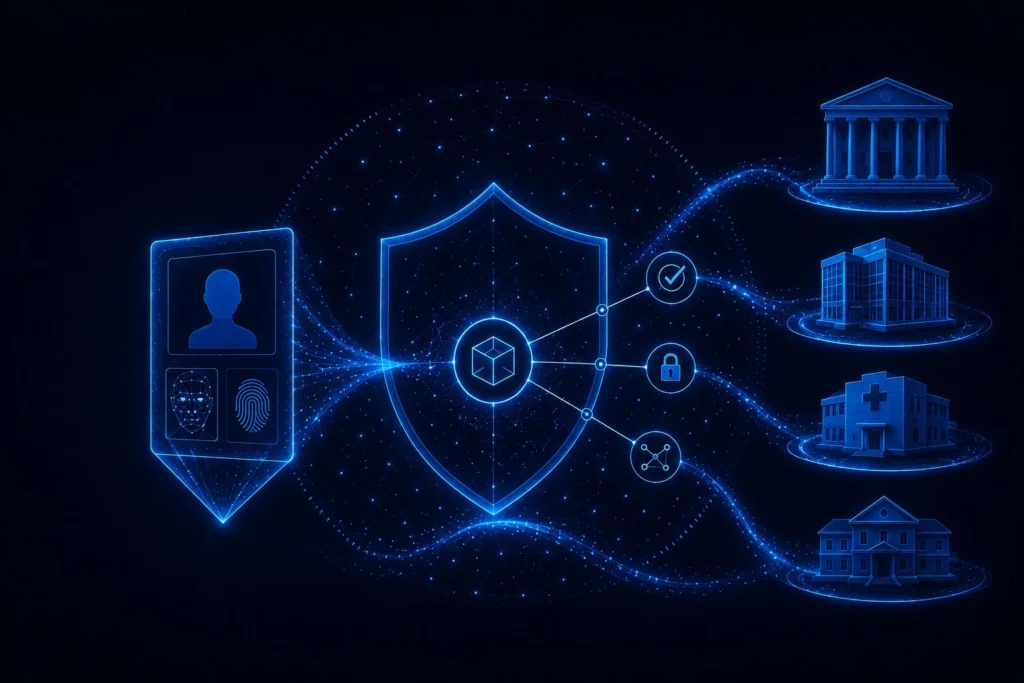
The best decentralized identity solutions solve a simple problem: every login you have ever created lives in someone else’s database, not yours. This corner of decentralized digital identity technology has moved from whitepaper to standard fast – though the category’s most visible product, World ID, is also currently a case study in how that promise ...
Privado ID zero knowledge credentials solve a problem every DeFi user has felt: submitting the same passport scan to a fifth different service this month. Formerly Polygon ID, Privado ID is one of the more mature products in decentralized digital identity. It lets a proof travel where the underlying document never does. Key Takeaways What ...
A Web3 wallet functions as an identity layer, a transaction signer, and the primary interface between users and blockchain-based applications. For development teams, the wallet architecture represents the most risk-sensitive component of the stack—a single vulnerability can result in direct financial loss with no recourse mechanism. This guide examines the technical architecture, security protocols, and ...
ONT ID multi chain identity exists for a specific enterprise fear: locking a company’s entire identity infrastructure into one blockchain that might not be the winning ecosystem five years from now. Ontology built ONT ID from the start as a decentralized digital identity framework that is explicitly not limited to its own chain. Key Takeaways ...
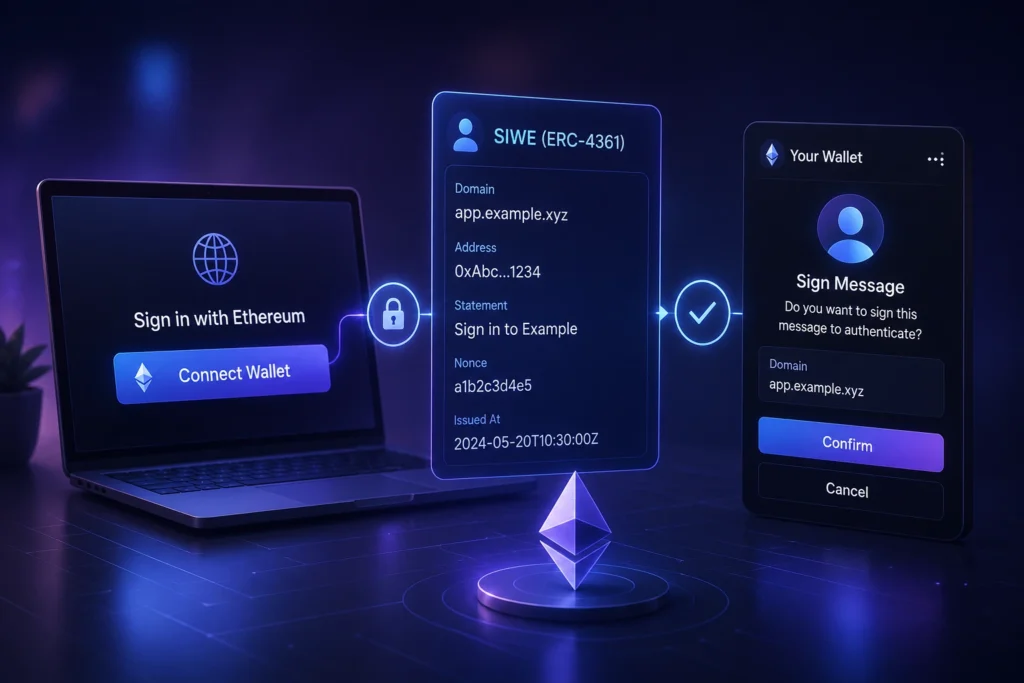
The Sign-In with Ethereum standard replaces the password field with something you already own: a wallet signature. Where most dApp development guides treat wallet login as an implementation detail, SIWE is the actual specification behind that “Connect Wallet” button – and as of 2025, it is no longer a draft. Key Takeaways This guide covers ...
The Symbol blockchain launched in 2021 with features most layer 1 networks were still drafting proposals about: native multisignature, atomic transaction bundles, and tokens that need no smart contract. Five years later, almost nobody uses it. That gap between engineering and adoption is what makes Symbol worth studying. Key Takeaways This guide examines what Symbol ...
World ID proof of personhood answers one question at internet scale: is the account behind a request a real, unique human, or a bot? The Sam Altman-backed project scans a user’s iris with a device called the Worldcoin Orb to issue the proof. In doing so it became the most recognizable product in decentralized digital ...
To enhance your experience, we use cookies. Consent helps us process data like browsing behavior. Denying may affect site features.
Functional
Always active
The technical storage or access is strictly necessary for the legitimate purpose of enabling the use of a specific service explicitly requested by the subscriber or user, or for the sole purpose of carrying out the transmission of a communication over an electronic communications network.
Preferences
The technical storage or access is necessary for the legitimate purpose of storing preferences that are not requested by the subscriber or user.
Statistics
The technical storage or access that is used exclusively for statistical purposes.The technical storage or access that is used exclusively for anonymous statistical purposes. Without a subpoena, voluntary compliance on the part of your Internet Service Provider, or additional records from a third party, information stored or retrieved for this purpose alone cannot usually be used to identify you.
Marketing
The technical storage or access is required to create user profiles to send advertising, or to track the user on a website or across several websites for similar marketing purposes.