
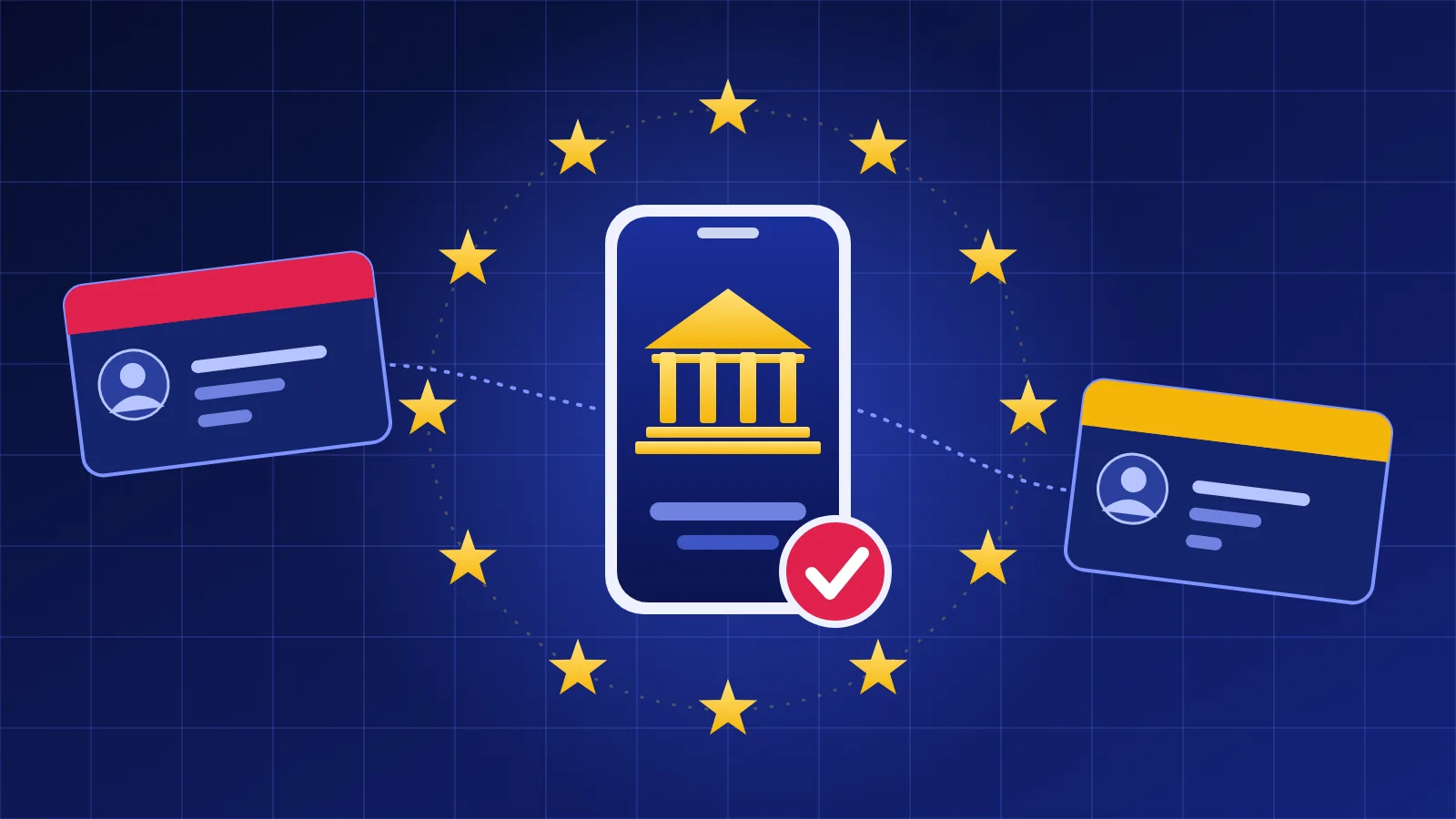
While a passport can prove who you are, accessing a digital service often means sharing far more personal information than necessary – a problem the European Digital Identity Wallet is designed to solve.
Key takeaways
- The European Digital Identity Wallet aims to make identity verification more secure and convenient.
- EU member states must provide at least one wallet by the end of 2026.
- Privacy, cybersecurity, and digital exclusion remain important challenges.
- Other regions can learn from Europe’s approach while developing systems suited to their needs.
A bank may need to verify your identity, an online platform may only need to confirm your age, and an employer may want to check your qualifications. Yet without a unified solution like the European Digital Identity Wallet, people are often required to submit entire documents and repeat the same verification process across different platforms.
This raises an important question: should proving one detail about yourself require revealing almost everything else?
It is beyond replacing physical identity cards
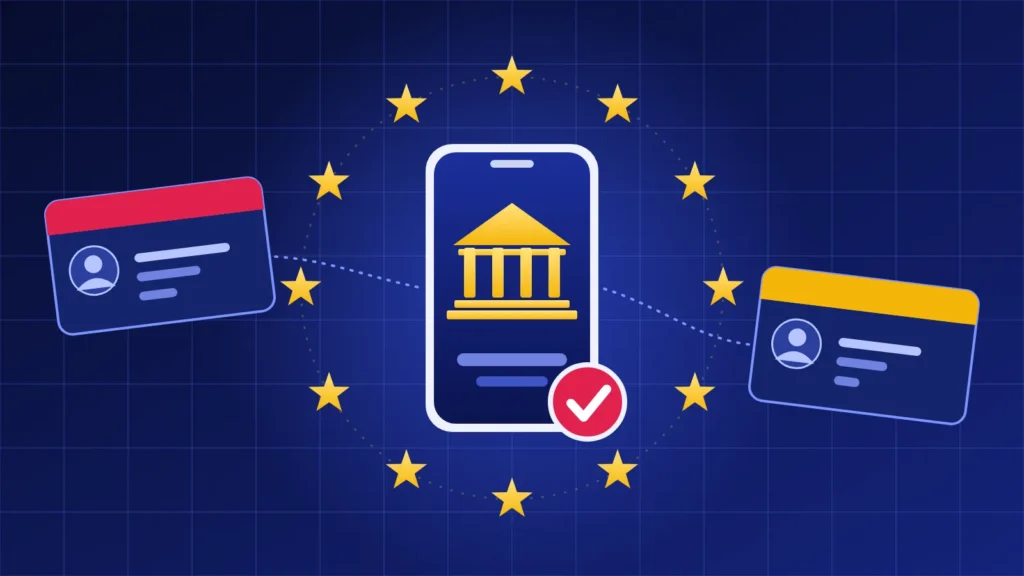
The European Union believes digital identity infrastructure could help address this problem. Through its European Digital Identity Wallet (EUDI Wallet), it is developing a system that allows individuals to store verified digital credentials and share only the information required for particular transactions.
However, this initiative goes beyond replacing physical identity cards with a mobile application. It is part of a broader effort to make digital identification more secure, convenient, and usable across European countries, with potential implications for banking, international business, financial inclusion, and personal privacy.
But why does Europe believe this system is necessary? Could it influence countries outside Europe, particularly developing economies? And perhaps most importantly, will giving people greater control over their digital identities actually make their personal information safer?
What Is the European Digital Identity Wallet?
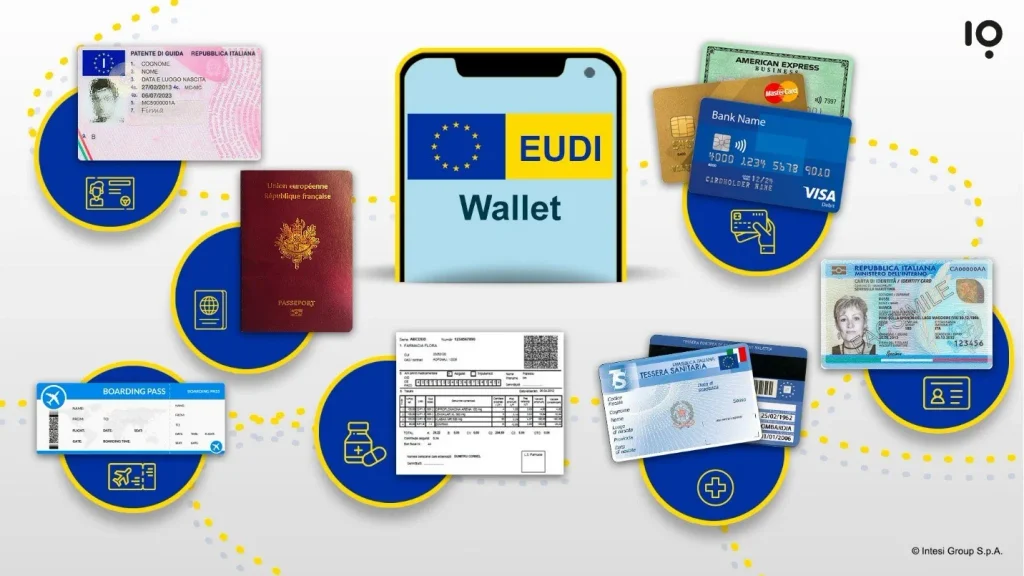
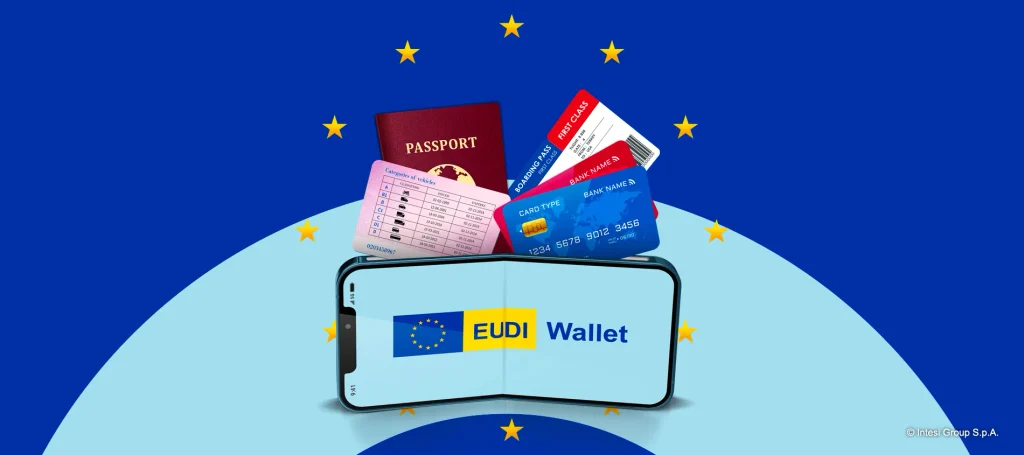
The European Digital Identity Wallet is a digital identification solution designed to make it easier for individuals and businesses to verify their identities, store official digital credentials, and access public and private services without repeatedly submitting physical documents. Think of it as a digital wallet for identity-related documents. Rather than carrying several physical documents or repeatedly uploading them to different websites, users will be able to access supported credentials through a mobile application.
These credentials could include identity information, driving licences, educational qualifications, professional certificates, and other official documents.
For example
Someone applying for a job in another European country could present a verified educational qualification through their wallet, while someone opening a bank account could provide the required identity credentials without repeatedly submitting physical documents.
According to the European Commission, EU member states must make at least one European Digital Identity Wallet available to their citizens, residents, and businesses by the end of 2026. An important distinction is that the wallet is intended to be voluntary for individuals. It is not designed to force every European resident to abandon traditional identification methods.
The initiative is built around three important ideas: secure identification, interoperability between countries, and greater individual control over personal information.
Why Is Europe Introducing It Now?
The Problem With Fragmented National eID Systems
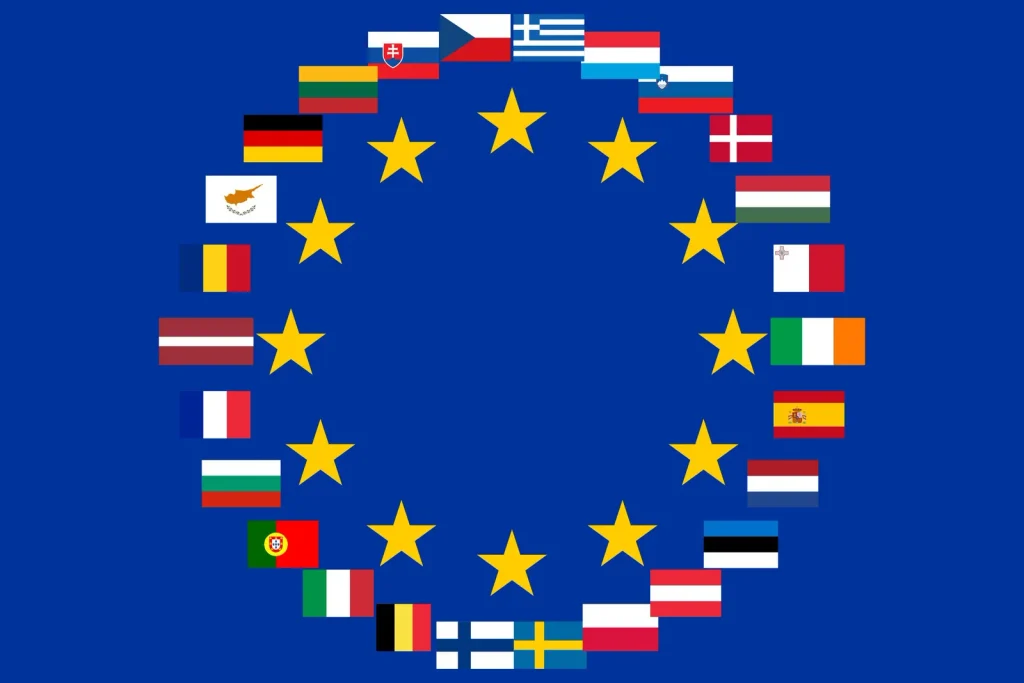
To understand why Europe is investing in this infrastructure, we need to look at how digital identification currently works. For years, European countries have developed their own national electronic identification systems. Some have advanced digital services that allow residents to access government platforms, sign documents, and verify their identities online, while others operate with different systems, standards, and levels of digital adoption.
The problem is that these systems do not always communicate effectively with one another. Someone with a recognised digital identity in one European country may still encounter additional verification requirements when trying to access a financial service in another. Even when both countries have digital identification infrastructure, differences in technical standards and recognition procedures can make cross-border access difficult.
The European Commission identified this fragmentation as a significant limitation. In a 2021 assessment, it found that only 14% of providers offering seven selected key public services across EU member states allowed cross-border authentication using recognised electronic identification systems. This finding helps explain why Europe needed a more consistent approach to digital identification. The existing framework had not made it easy enough for people to use their national electronic identities when accessing services in other member states.
How the EUDI Wallet Fills the Gap
This is where the European Digital Identity Wallet comes in. By introducing common standards and a more interoperable system, the EU hopes to make digital identification more practical across national borders. There is also a wider economic motivation. Businesses operating across European borders need reliable ways to identify customers, verify qualifications, sign agreements, and complete regulated transactions. When these activities depend on separate systems and repeated paperwork, they create additional administrative costs and delays.
The European Digital Identity Wallet is intended to reduce these barriers by allowing trusted identity information to be presented and verified across participating countries. This is why the initiative should not be viewed simply as another government technology project. It is also an attempt to strengthen the digital infrastructure supporting Europe’s internal market.
Why Digital Identity Has Become an Important Economic Issue
Digital identity is often discussed as a cybersecurity or government technology issue, but its importance goes much further. It is closely connected to financial inclusion, banking, international business, access to public services, and the ability of individuals to participate in the digital economy.
Identity Checks in Banking and Financial Services
Consider opening a bank account. Before providing certain financial services, institutions must establish who their customers are. This process is commonly known as Know Your Customer (KYC), and it requires customers to provide information that helps verify their identities. Without reliable identification, people may struggle to access banking services, credit facilities, insurance, and other financial products. The same challenge affects businesses, which need to verify customers, employees, suppliers, and authorised representatives before completing certain transactions.
A trusted digital identity system could help simplify these processes by making verified information easier to present and authenticate. This connection between identity and financial access has also been recognised by international financial institutions.
What the IMF Has Said About Digital Inclusion
In December 2020, IMF Managing Director Kristalina Georgieva addressed the relationship between financial inclusion, digital innovation, and cybersecurity during the Singapore FinTech Festival. She highlighted how digital financial services could expand opportunities for people who have historically faced barriers to accessing traditional financial systems. During her remarks, she stated:
“Digital payments are not just for the tech savvy; they have huge implications for the whole world.”
Her comments focused on digital payments rather than the European Digital Identity Wallet specifically. However, they highlight a broader issue: as financial services become increasingly digital, people need reliable and accessible ways to establish their identities and participate in the economy. By making identity verification more convenient and reliable, initiatives such as the European Digital Identity Wallet could help support the wider digital economy.
What Do Global Financial and Technology Leaders Think About Digital Identity?
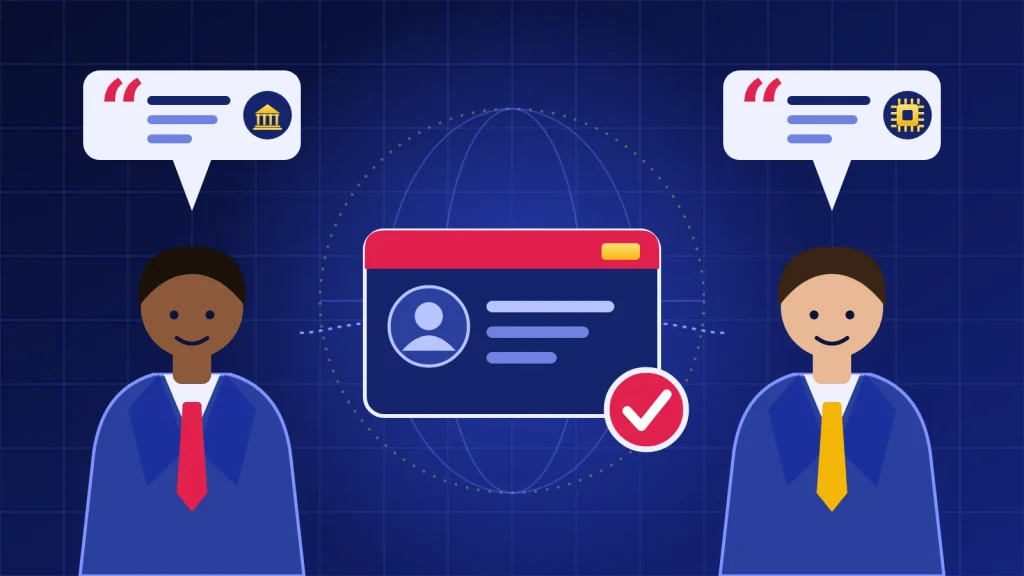
The conversation surrounding digital identity is not limited to European policymakers. Leaders in international finance and technology have also highlighted its importance, particularly when discussing who should control digital identity systems and how citizens’ information should be protected.
Ajay Banga and the World Bank’s Position
One notable perspective comes from Ajay Banga, President of the World Bank Group. During a conversation with Verizon Chairman and CEO Hans Vestberg at the World Bank Group’s Global Digital Summit on March 5, 2024, Banga discussed the role governments should play in providing digital identity infrastructure. He argued that governments should be responsible for providing citizens with digital identities, rather than allowing private companies to own those identities.
He put his position clearly:
Your government should be the owner of your digital ID.
Full name, Ajay Banga, President of the World Bank Group.
Banga also emphasised that digital identity should protect citizens’ privacy and support their security. In his view, private companies can help build the infrastructure and services connected to digital identity, but responsibility for providing the identity itself should remain with the government. This perspective raises an important issue: digital identity systems depend on public trust. People need confidence that their personal information will not be unnecessarily exposed, commercially exploited, or placed under the control of organisations without proper accountability.
Banga’s comments do not represent a universal agreement on how digital identity should be governed. Instead, they highlight one of the central questions surrounding its development: how can governments, technology companies, and other institutions work together while protecting individual privacy and maintaining public trust? That question is particularly relevant to Europe’s new digital identity framework, which seeks to give individuals greater control over how they use and share their verified credentials.
How Does the European Digital Identity Wallet Work?
The European Digital Identity Wallet is designed to bring several identity-related activities together in one secure digital application. Instead of repeatedly submitting physical documents or creating separate accounts to prove who they are, users will be able to store verified digital credentials, present them when accessing participating services, authenticate themselves, and sign certain documents electronically.
Selective Disclosure: Sharing Only What Is Needed
One particularly important feature is selective disclosure.
Definition
Selective disclosure is the ability to share only the specific information required for a particular transaction without automatically revealing every detail contained in an identity document.
Imagine visiting an online platform that needs to confirm whether you are over 18. A conventional verification process might ask you to upload an identity document containing your full name, date of birth, photograph, and other personal information. However, the platform may only need confirmation that you meet its age requirement. With selective disclosure, the wallet can provide the necessary information without unnecessarily exposing the rest of your personal details, helping reduce the amount of information shared with service providers.
Zero-Knowledge Proofs
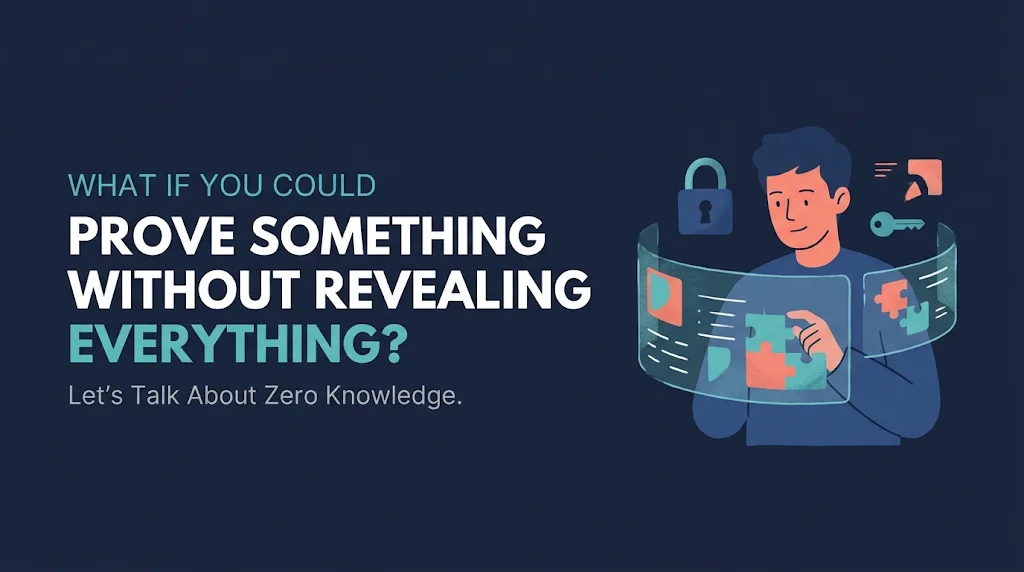
Another technology often discussed alongside privacy-preserving digital identity is the zero-knowledge proof. A zero-knowledge proof is a cryptographic technique that allows someone to demonstrate that a statement is true without revealing the underlying information used to establish it. For example, someone could potentially prove that they meet a particular age requirement without revealing their exact date of birth.
Although selective disclosure and zero-knowledge proofs can serve similar privacy goals, they are not the same technology. Selective disclosure allows users to reveal selected information from a larger set of credentials, while zero-knowledge proofs can verify certain claims without revealing the underlying data. It is also important to understand that zero-knowledge proofs should not be presented as an already confirmed standard feature of every European Digital Identity Wallet. The EU’s technical documentation indicates that discussions about their use are ongoing, and no specific zero-knowledge proof system has yet been selected for the wallet ecosystem.
Electronic Signatures and Other Features
Beyond identity verification, the wallet is also designed to support electronic signatures, including qualified electronic signatures, which have a recognised legal status under European law and can be used for certain transactions and agreements.
Importantly, the EUDI Wallet is not simply a cryptocurrency wallet, nor is it defined as a blockchain-based identity system. It operates within a regulated digital identity framework involving identity providers, trusted credential issuers, verification processes, common technical standards, and security requirements. At its core, the idea is straightforward: people should be able to prove relevant information about themselves securely, share only what is necessary, and have greater control over how their digital credentials are used.
What Does This Mean for Banking, Businesses, and the Global Economy?
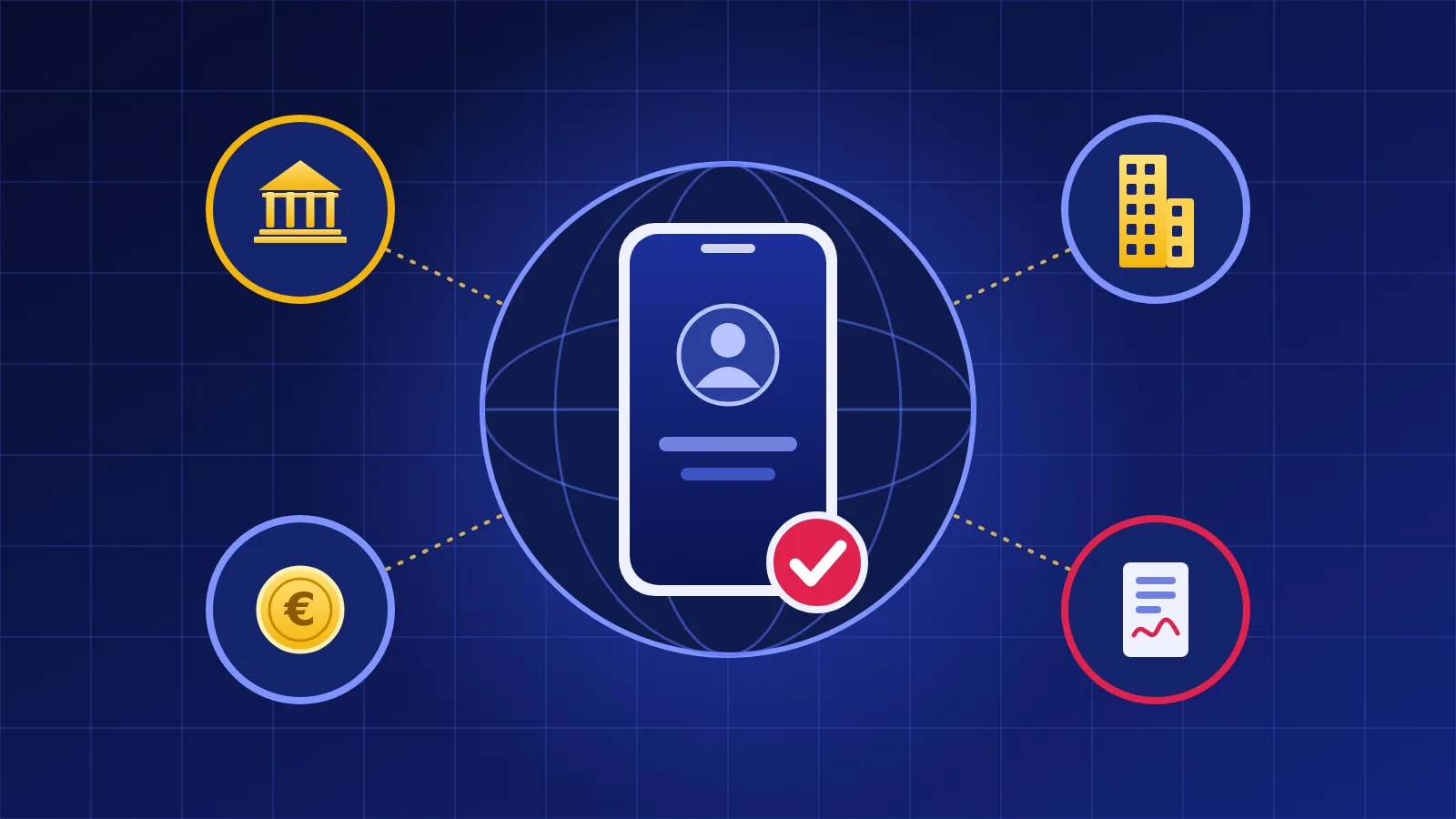
The European Digital Identity Wallet could have implications that extend far beyond government identification. One of its most significant potential effects is how it could simplify interactions between individuals, businesses, and financial institutions. Consider a few practical examples.
Where the Wallet Could Be Used
Banking and financial services: Opening a bank account or accessing certain financial products often involves several identity checks. With a trusted digital credential, customers could present verified information more efficiently, reducing repetitive paperwork and making some financial services easier to access. However, banks would still have to meet their own legal obligations for customer verification and other regulatory checks.
International employment: Instead of relying entirely on scanned certificates and manual verification, someone applying for a job in another European country could share verified educational qualifications and professional credentials through their wallet. This could make it easier for employers to assess international candidates and confirm the authenticity of their documents.
Business transactions: Companies could use digital organisational credentials to demonstrate that someone is authorised to represent them. For example, a business representative entering into a contract with a company in another EU country could present verified information about their organisation and their authority to act on its behalf.
Travel and public services: The wallet is designed to support the storage and presentation of certain travel-related credentials, alongside access to public services across participating countries. This could make some identification procedures more convenient, although it does not automatically replace passports, visas, or existing border-control requirements.
Online commerce: Digital identity verification could help online platforms establish whether customers meet particular requirements, such as age restrictions, without collecting more personal information than necessary. This could also help businesses reduce unnecessary data collection.
Use Cases Identified by the European Commission
These are not simply theoretical ideas. The European Commission has identified banking, education, travel, payments, organisational identity, and access to public services among the wallet’s intended use cases. Several of these applications have also been explored through large-scale pilot projects.
What It Means Beyond Europe’s Borders
There is also a broader international implication. When a major economic region establishes common digital identity standards, technology companies and service providers operating internationally may have an incentive to understand and support those standards. This could influence how digital credentials are exchanged, how organisations verify information, and how cross-border digital services are developed.
That does not mean every country will automatically adopt the European model. Different countries have different legal systems, identification infrastructure, privacy requirements, and levels of digital development. However, Europe’s approach could contribute to wider discussions about digital identity interoperability, privacy protection, electronic credentials, and cross-border trust.
For international businesses, the ability to verify information reliably is becoming increasingly important as commercial relationships move beyond geographical boundaries. The bigger question is whether systems developed in different parts of the world will eventually be able to recognise and trust one another.
Should Other Countries, Especially in Africa, Adopt Something Similar?
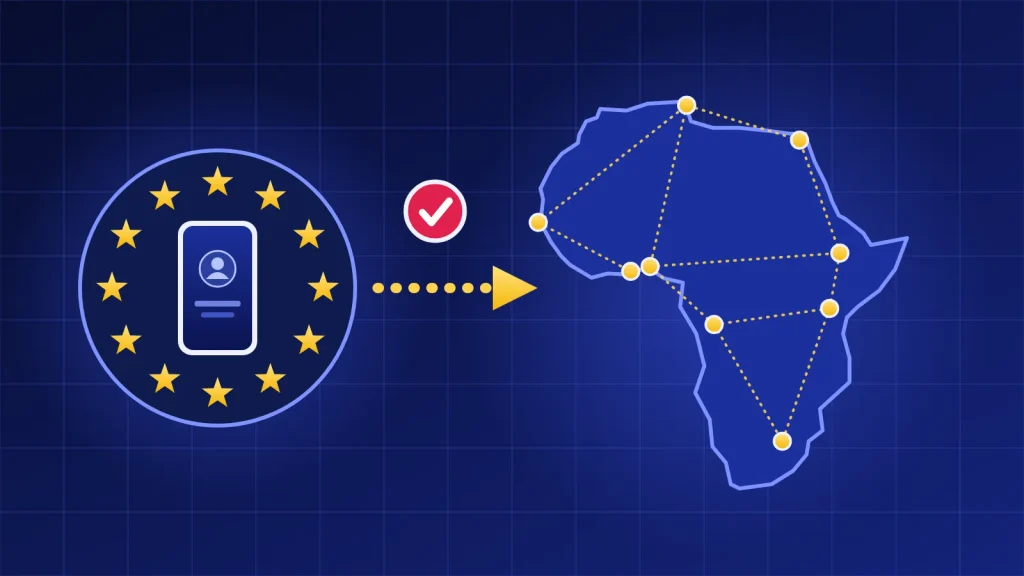
In my view, yes, but not by simply copying Europe’s system. Countries across Africa, Asia, and other developing regions could benefit from more reliable digital identity infrastructure. However, each region needs an approach that reflects its existing identification systems, legal environment, infrastructure, and population needs.
Africa provides a particularly interesting example. People without reliable identification may encounter barriers when opening bank accounts, accessing public services, registering businesses, or participating in formal economic activities. This is not just an administrative inconvenience; it can affect financial inclusion, employment opportunities, access to education, and wider economic participation.
The African Union has already recognised the importance of addressing this challenge. In December 2023, it published the African Union Interoperability Framework for Digital ID to support cooperation between existing digital identification systems across African countries.
An important distinction is that the framework does not call for one centralised identity database containing the personal information of every African citizen. Instead, it focuses on making existing national identification systems interoperable while respecting the digital sovereignty of individual countries. It also promotes the ability of people to verify their identities when accessing public and private services across participating countries.
What Could Africa Learn From Europe’s Approach?
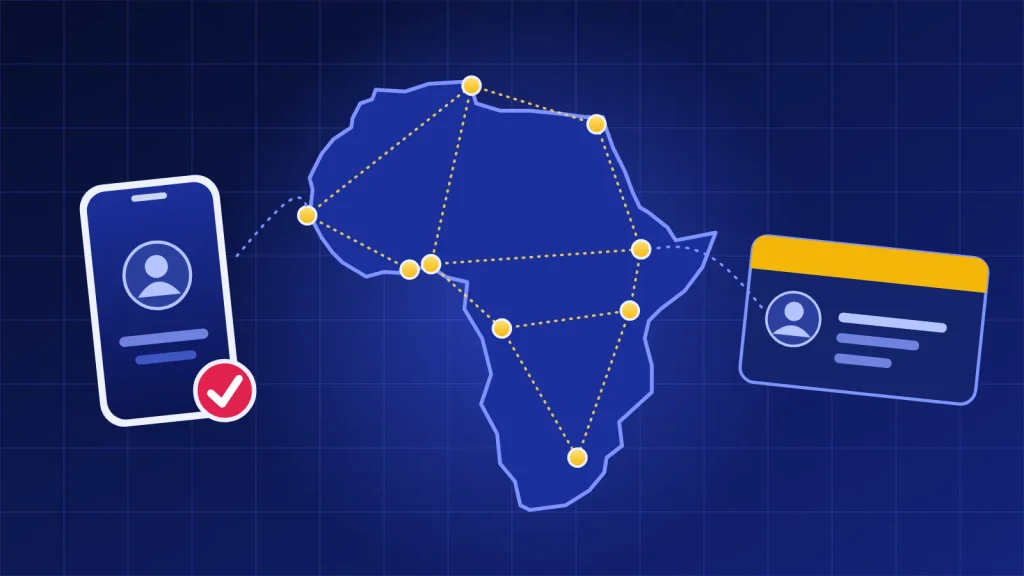
There are several lessons worth considering. First, countries need identification systems that can communicate with one another. Someone who has been properly identified in one participating country should not necessarily have to restart the entire verification process when accessing a supported service elsewhere. This could support regional trade, cross-border employment, education, financial services, and the broader ambitions of the African Continental Free Trade Area.
Second, privacy should be part of the design from the beginning. People should not have to reveal their entire identity documents every time they need to prove one particular fact about themselves. Third, digital identity infrastructure should be accessible. A system that only works for people with expensive smartphones and reliable internet connections could exclude precisely the people it is intended to help.
Finally, governments need clear legal protections, independent oversight, and reliable cybersecurity infrastructure before expanding digital identification services. The goal should not simply be to digitise existing identity cards, but to create systems that genuinely improve people’s ability to access opportunities and participate in the economy.
The Downsides: What Could Go Wrong With Digital Identity Wallets?
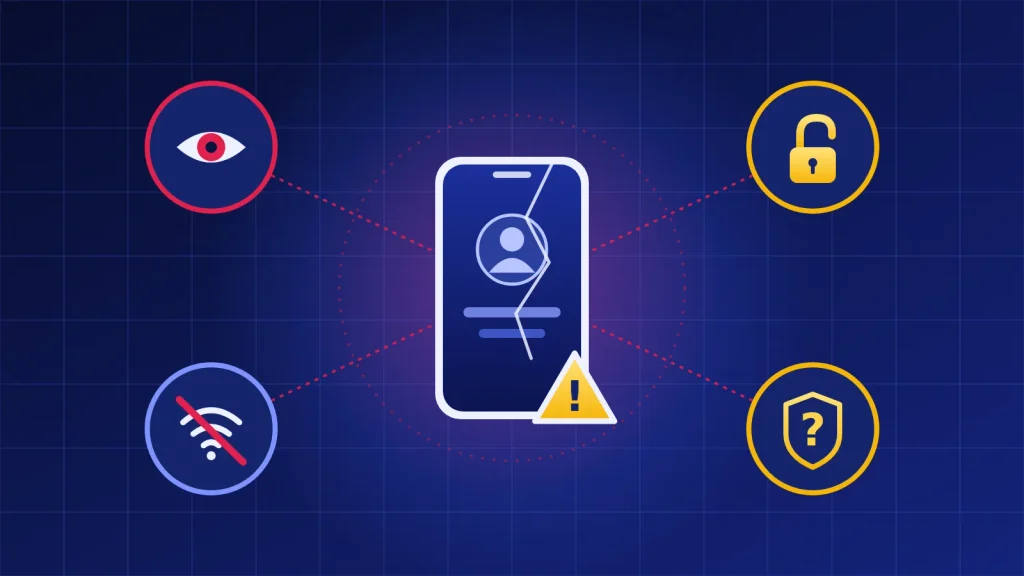
It would be misleading to discuss the benefits of digital identity without examining the risks. A digital wallet may make verification more convenient, but it also creates new responsibilities for governments, technology providers, and service organisations.
Privacy and Government Surveillance
One of the biggest concerns is the possibility of excessive monitoring. If digital identity becomes a requirement for accessing an increasing number of services, governments or other powerful organisations could gain greater visibility into people’s activities. Even when the original intention is to improve security, poorly designed systems could make it easier to track individuals or collect information beyond what is necessary.
Privacy advocates have raised concerns about how digital identity wallets are implemented, particularly around unnecessary data requests, tracking, and weak privacy safeguards. These concerns do not prove that the EUDI Wallet is automatically a surveillance system. However, they demonstrate why strong legal protections and independent oversight are necessary.
Cybersecurity and Data Breaches
A digital wallet may contain highly sensitive information. If a device is compromised, an account is stolen, or a software vulnerability is exploited, users could face serious consequences. Identity theft can be particularly damaging because personal identity information is not as easily replaced as a password.
This means strong authentication, encryption, secure credential storage, regular security assessments, and effective recovery procedures are essential. The IMF has also emphasised the importance of balancing digital financial innovation with cybersecurity. In her December 2020 speech, Kristalina Georgieva warned that the expansion of digital financial services must be accompanied by stronger protection against cyber threats.
Digital Exclusion
Not everyone has a smartphone, stable internet connection, or the technical knowledge needed to use digital identity applications. Older people, individuals with disabilities, low-income communities, and people living in areas with limited connectivity may face additional challenges. If digital identity becomes the only practical way to access essential services, it could create new barriers rather than remove existing ones. This is why alternative identification methods must remain available.
The World Bank’s Identification for Development initiative highlights the importance of designing identification systems that are inclusive and do not exclude vulnerable populations.
Overdependence on a Single Identity Infrastructure
Another concern is the concentration of important services around one digital identity framework. If a system experiences a technical failure, widespread cyberattack, or administrative problem, people could struggle to access several services simultaneously. Countries therefore need reliable backup systems, clear recovery procedures, and safeguards against excessive dependence on a single technology provider or infrastructure.
The Problem of Trust
Ultimately, digital identity depends on public confidence. People need to know who issues their credentials, who can request their information, what happens when something goes wrong, and how they can challenge an incorrect record. Without transparent governance and meaningful accountability, even a technically advanced digital identity system may struggle to gain public acceptance.
My Take: Is the European Digital Identity Wallet Actually Important?
I believe the European Digital Identity Wallet is an important development, but not simply because Europe is introducing another digital application. Its real significance lies in the problem it is trying to solve.
The internet has made it possible to work, study, trade, communicate, and access services across geographical boundaries. Yet proving who we are online can still be unnecessarily complicated. We have digital banking, online government services, remote employment platforms, and international businesses, but identity verification often remains fragmented. That gap needs to be addressed.
I also believe other regions should pay attention to what Europe is doing, especially countries working to modernise their financial and public service infrastructure. However, governments should not rush into introducing digital identity wallets simply because the technology is becoming popular. The priority should be building trustworthy identification systems that are inclusive, secure, and designed around people’s needs.
For Africa in particular, the African Union’s existing interoperability framework provides a valuable foundation. Rather than creating disconnected national applications, countries should work towards systems that can recognise trusted credentials across borders while respecting national sovereignty and individual privacy.
There is also something important that governments should not overlook: digital identity should give people greater control over their information, not give institutions unlimited control over people’s identities. A successful system should make it easier for someone to prove who they are without making it easier for others to monitor everything they do. That distinction will determine whether digital identity becomes genuinely useful public infrastructure or another source of concern for citizens.
What Should Readers Take Away From This?
The European Digital Identity Wallet is more than a new identification application. It represents a broader attempt to establish trust, security, and interoperability in an increasingly connected economy.
Here are the most important things to remember:
- It is more than a digital ID card: The wallet is designed to store and present verified credentials, authenticate users, and support electronic signatures.
- Its purpose is cross-border interoperability: Common standards should allow supported digital credentials to be recognised across EU member states.
- Privacy is central to its ambition: Features such as selective disclosure aim to reduce unnecessary sharing of personal information.
- It has financial and economic implications: More reliable identity verification could simplify certain banking, business, employment, and public service processes.
- It is not a global identity system: Its primary legal and operational framework is European, although it could influence digital identity development elsewhere.
- Other regions can learn from it: Africa already has an African Union framework for interoperable digital identification that deserves greater attention.
For readers interested in understanding the future of digital identity, a useful next step is to explore the European Commission’s official EUDI Wallet resources and the African Union’s interoperability framework. These documents provide a clearer picture of how different regions are approaching the same challenge.
Final Thoughts
The European Digital Identity Wallet raises an important question about the future of identification in an increasingly connected world: should proving who we are online be as complicated as it is today? Europe believes that common digital standards, verified credentials, and stronger privacy protections can make that process easier.
Whether the initiative achieves everything it promises will depend on how well it is implemented, how securely personal information is protected, and whether people genuinely retain control over their identities.
For the rest of the world, the lesson is not necessarily to adopt the European model exactly as it is. It is to recognise that trustworthy digital identity infrastructure is becoming increasingly important to financial inclusion, economic participation, and the delivery of modern services. The technology itself is only part of the solution. The real measure of success should be whether it gives people more opportunities, makes essential services easier to access, and protects the privacy and rights of those who depend on it.
Frequently asked questions
What is the European Digital Identity Wallet?
It is a mobile application that allows EU citizens, residents, and businesses to store, manage, and share verified digital credentials, such as identification, driver’s licenses, or professional certificates.
Is using the wallet mandatory?
No, using the European Digital Identity Wallet is entirely voluntary. Citizens can continue using traditional physical identification methods if they prefer.
How does the wallet protect user privacy?
It features selective disclosure, which allows users to share only the specific information required for a particular transaction (such as proving they are over 18) rather than exposing their entire identity document.

I’m a Product Designer, Web3 enthusiast, and technology writer passionate about exploring how emerging technologies are shaping our digital future.
My interests span blockchain technology, cryptocurrency, decentralisation, digital privacy and product innovation. Beyond following developments in the Web3 ecosystem, I enjoy researching complex technical concepts and breaking them down into simple, relatable explanations that anyone can understand, regardless of their technical background.
As a writer, my goal is to educate, share perspectives, simplify ideas and help more people discover the opportunities behind emerging technologies.
I believe technology becomes more powerful when people understand it, and I’m passionate about making that understanding accessible to everyone.