Web3 domains are human-readable names, like name.eth, that live on a blockchain instead of in a company’s database. A normal crypto wallet address looks like this: 0xd8dA…A96045. Nobody remembers that. A web3 domain replaces it with something you can say out loud, like vitalik.eth.
Key takeaways
- Web3 domains are readable names on a blockchain, such as name.eth, that replace long wallet addresses.
- ENS is the market leader, with 2.8 million+ .eth names and about a fifth of a roughly $800 million category.
- A name is a trust clue, not proof of being human. It costs money and builds history, which makes fake armies pricier.
- Identity tools like Human Passport already read ENS as part of a score used to protect airdrops and grants.
- Usage looks healthier than price. The token is down sharply from late September, and about 58% of supply is still to circulate.
- ENSv2 (October 27, 2026) makes names more programmable, which opens new uses for access control and anti-fraud.
That one name can point to your wallet, your website, your profile picture and your social handles. And you own it through a smart contract, so no registrar can quietly take it back.
The biggest system by far is the Ethereum Name Service (ENS). Think of it as the “DNS of web3”: the same idea as google.com pointing to a server, but for people, wallets and apps.
Why a feature story about a name?
Because the name is the boring part. The interesting part is what a name can prove.
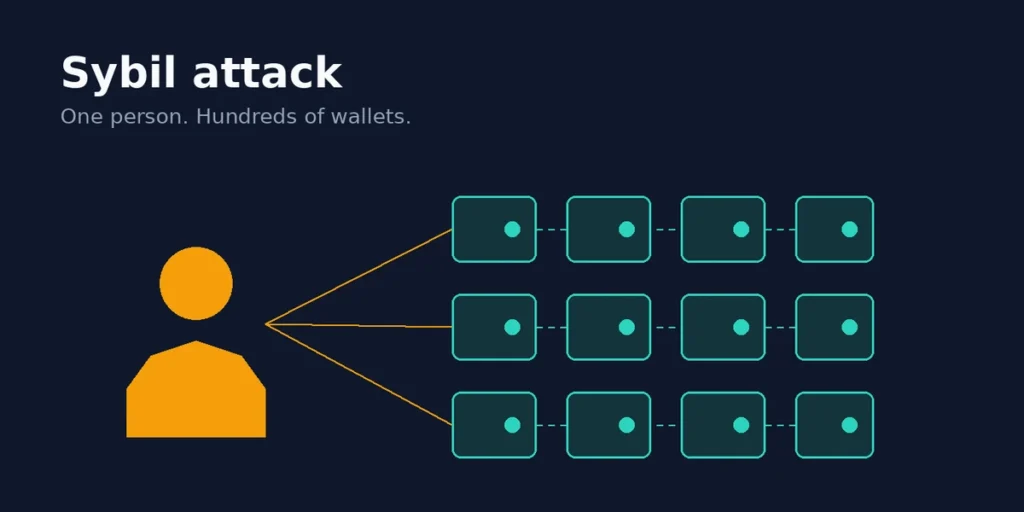
Crypto has a problem called a Sybil attack. One person creates hundreds or thousands of fake wallets to pretend to be a crowd. Why bother? Because free tokens (airdrops), grant money and DAO votes are usually split by wallet, not by human. More wallets means more loot.
This is not a small problem. Projects hand out millions of dollars, and farmers show up with armies of wallets. A fair system needs a way to tell “a real person who has been around” from “wallet number 4,712.”
That is where web3 domains quietly enter the story.
How a domain becomes a trust signal
A domain is not proof of personhood on its own. But it costs money, takes effort, and builds history. That makes it a useful clue.
1. It costs something. Registering a name takes a fee and a transaction. Faking one wallet is free. Faking thousands of named, active wallets gets expensive.
2. It builds history over time. A name you have held and renewed for years looks very different from one registered yesterday.
3. It is tied to your public identity. Many people set a “primary name” so apps show you.eth instead of a long address. ENS used this to reward real users: 25% of the ENS token supply was airdropped to past and current .eth registrants, based on registration time and whether a primary name was set.
4. Identity tools already count it. Human Passport (formerly Gitcoin Passport) is a Sybil-defense tool that collects “stamps,” which are proofs of trustworthiness, into a score. It has more than 2 million users and says it has protected over $430 million in airdrop and grant funds. ENS is one of the stamps it can read. When Story Protocol protected its testnet faucet, it required a minimum Passport score of 20.
The honest catch: a determined attacker can still buy many names. So ENS is one layer in the defense, not a lie detector. The strongest setups combine several signals: a name, wallet age, social accounts and other credentials.
The numbers behind the idea
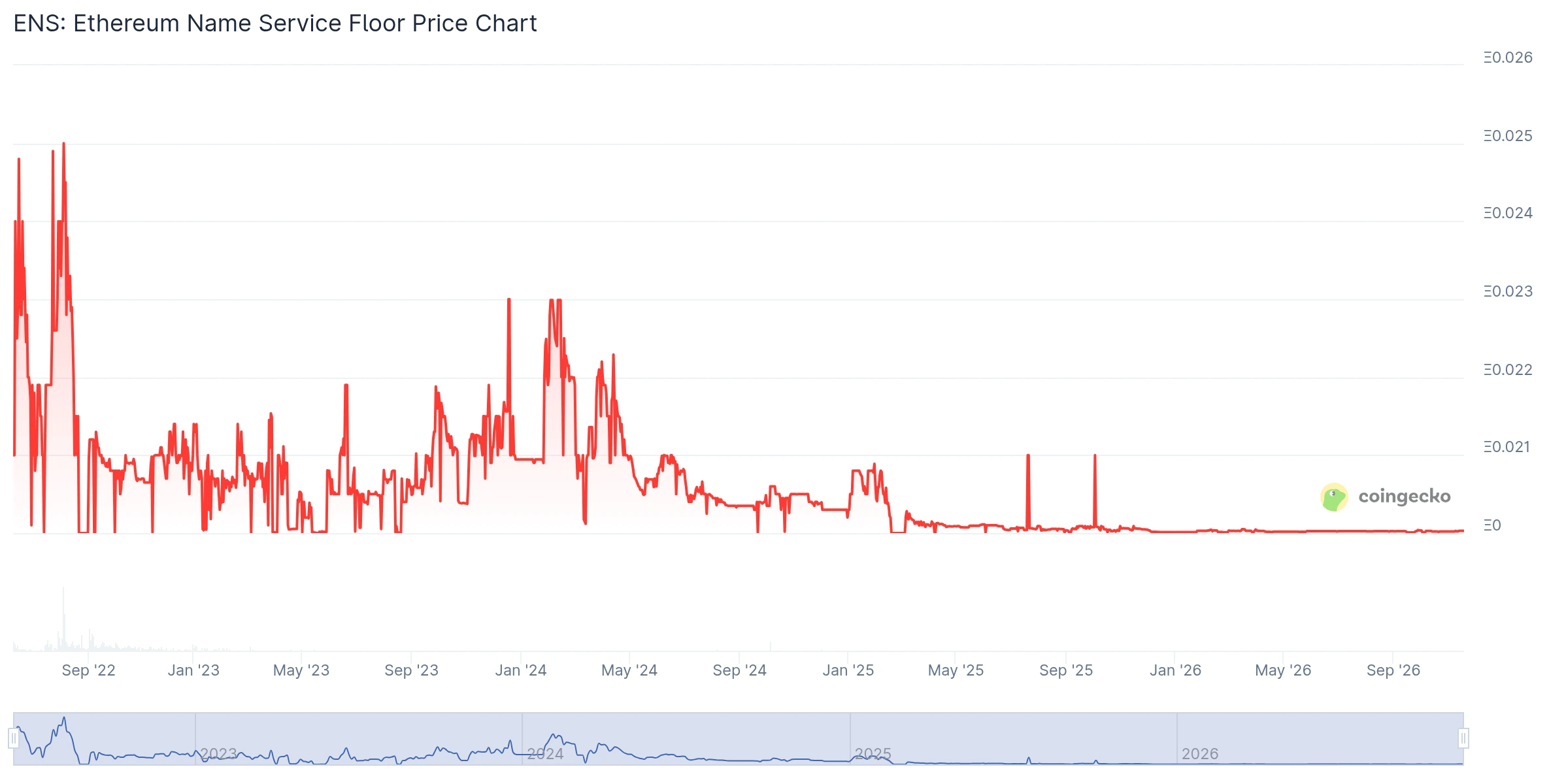
ENS by the numbers (late 2026)
| Metric | Figure |
| .eth names registered | 2.8 million+ (mid-2026) |
| Unique user addresses | Nearly 900,000 |
| Names across .eth and ecosystem namespaces | 36 million+ |
| Apps that resolve ENS names | 600+ |
| ENS token price | About $3.85 to $3.93 in the latest snapshot |
| ENS market cap | About $163 million |
| Circulating / max supply | 42.31 million / 100 million |
| Name Service sector market cap | About $798 million (CoinGecko) |
| ENS share of that sector | Roughly 21% (calculated) |
| ENS domain NFTs tracked by CoinGecko | 4,102,780, held by 824,057 owner |
The adoption story is stronger than the price story
Here is the twist. The usage of web3 domains looks healthy, while the token looks weak.
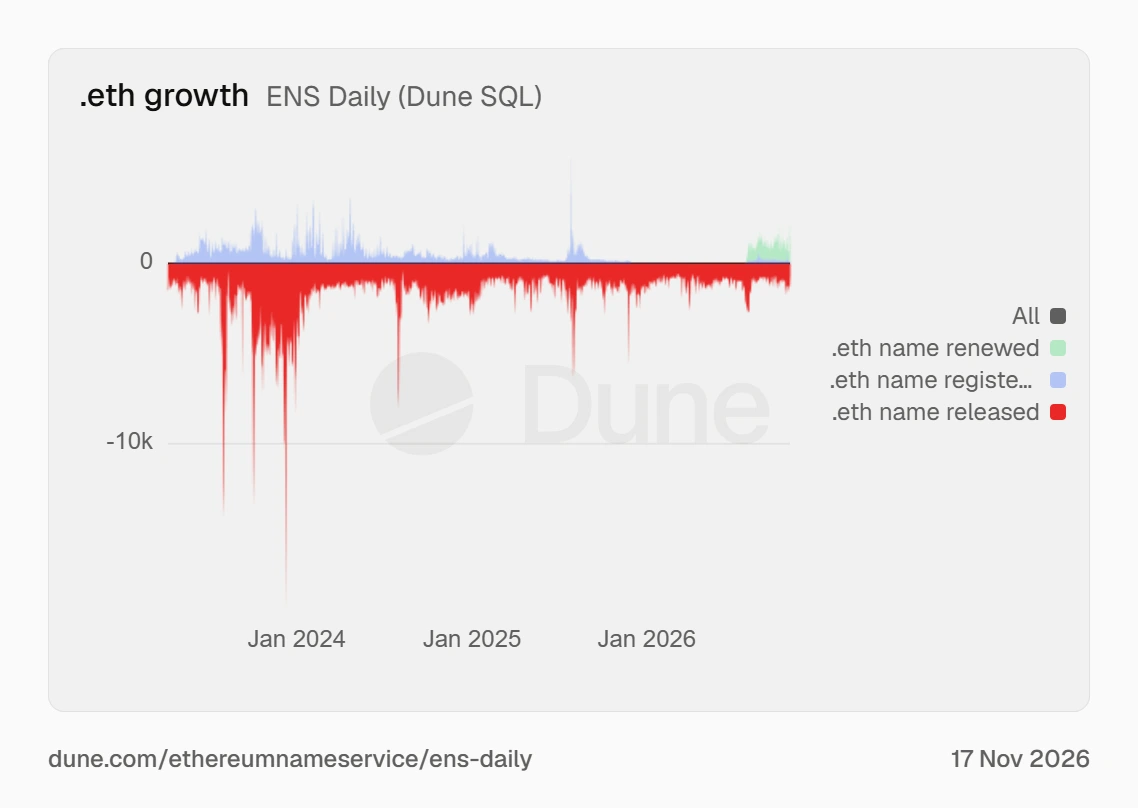
ENS Labs reported over 1.6 million active names, 978,000+ primary names and 728,000 unique participants in Q3 2025, with .eth renewals up 45% from the previous quarter. Renewals matter: people paying again is a better sign than people paying once.
The token tells a different story. ENS was at roughly $7 in late September 2026 and about $3.9 by mid-November, a big pullback. Its all-time high was $83.40 in November 2021. Because only about 42% of the 100 million supply circulates, its fully diluted valuation (about $385 million) is more than double its market cap. More tokens are still due to enter the market.
The NFT side is thin too. In one CoinGecko snapshot, ENS domain NFTs had just 2 sales and 0.15 ETH of volume in 24 hours, while the token traded about $12 to $14 million a day. In plain words: lots of people use names, but few people flip them right now.
The market is small, and ENS dominates it
The whole “Name Service” category is about $800 million, small next to major crypto sectors. ENS is the clear leader, ranked around #128 to #129 by market cap on CoinMarketCap and CoinGlass. Competitors such as AllDomains Name Service are much smaller.
The big upgrade: ENSv2
On October 27, 2026, ENSv2 went live on Ethereum mainnet. In simple terms:
- Existing names keep working. Owners can upgrade when they choose. There is no deadline and no need to register again.
- Every name can have its own registry, so owners control who can create subnames like pay.yourname.eth.
- More than 40 teams were ready at launch, including MetaMask, Safe, 1inch and Aragon.
- ENS Labs dropped its planned Namechain Layer 2 and moved ENSv2 fully onto Ethereum mainnet.
Why this matters for Sybil resistance: programmable names and subnames let DAOs and apps issue names to verified members, and tie access, votes or rewards to them.
What the sceptics say
A fair feature shows both sides.
- “Names can be bought in bulk.” True. That is why a name works as a signal, not proof.
- “Identity scores are controlled by a few players.” Critics note that scoring rules, such as Gitcoin Passport’s stamp definitions, are set by a central team, and that connecting accounts raises privacy trade-offs.
- “The token is down and diluted.” Also true, as the numbers above show.
- “Usage is real, but growth has slowed from the 2022 and 2023 peaks.” Registrations remain strong, but not explosive.
FAQs
What are web3 domains in simple words?
Blockchain-based names like name.eth that point to your wallet, website and profile. You own them through a smart contract.
How are web3 domains different from normal domains?
A normal domain is rented from a registrar and can be taken down by it. A web3 domain is recorded on a blockchain and controlled by your wallet.
What is a Sybil attack?
One person pretending to be many by creating lots of fake accounts or wallets, usually to grab airdrops, grants or votes.
Can a web3 domain stop Sybil attacks by itself?
No. It raises the cost of faking identities and shows history, but attackers can still buy many names. It works best combined with other signals.
Is ENS the only web3 domain provider?
No, but it is by far the biggest. Other naming protocols exist, though they are much smaller by market cap.
Are web3 domains a good investment?
The data suggests caution: the sector is small, the ENS token is in a downtrend, and the domain NFT market is thin. This is information, not financial advice, and I am not a financial advisor.
Do I lose my .eth name with ENSv2?
No. Existing names keep working, and you upgrade when you want the new features.
Where can I check live ENS data?
CoinGecko and CoinMarketCap for price and supply, CoinGlass for exchange flows and derivatives, Santiment for social and on-chain behavior, and ENS’s public Dune dashboard for registrations.
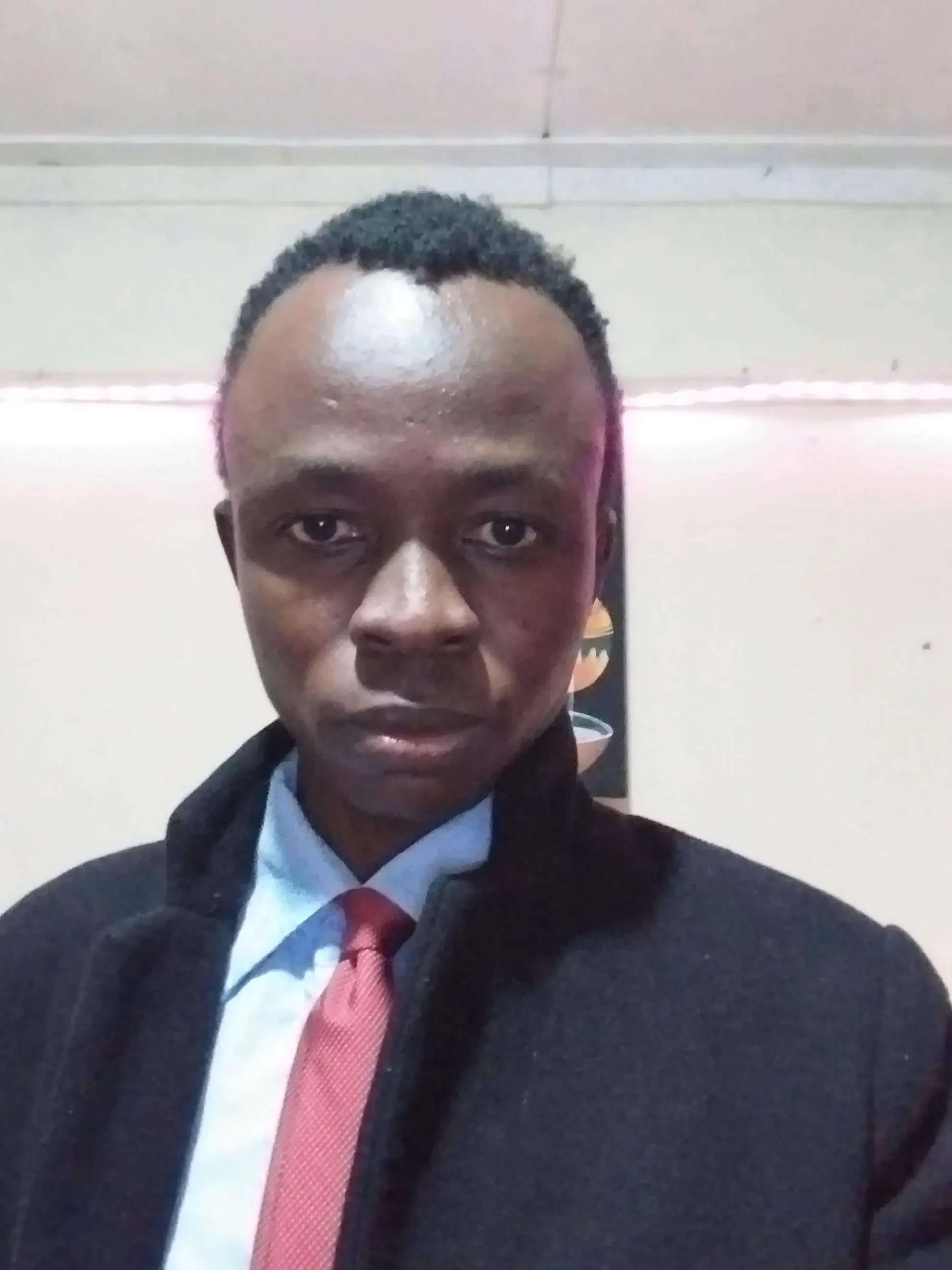
Dan is a seasoned crypto writer for Blockchaindose who got his start in the space back in 2019. Over the past four years, he’s built a solid grasp of how the industry moves, focusing heavily on DeFi, NFTs, GameFi, and promising new projects.
Off the clock, you’ll usually find him buried in a good book or kicking back with a movie. His blend of hands-on market experience and straightforward commentary makes him a clear, trusted voice across the platform.