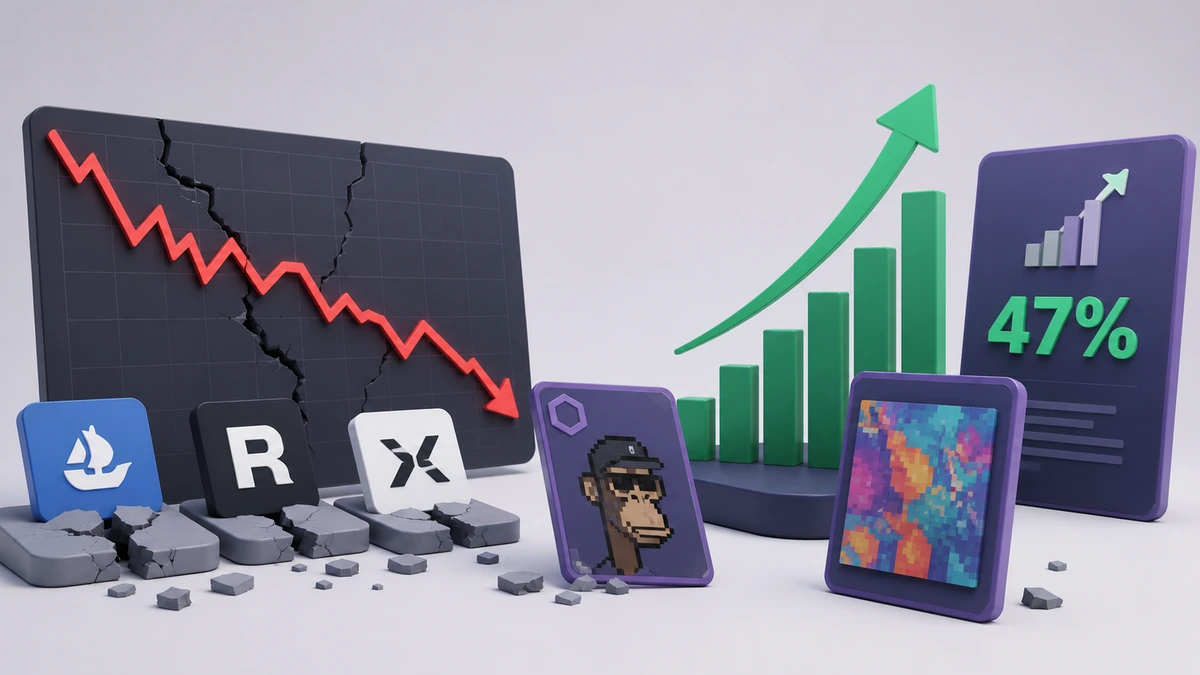
The week of July 6–8, 2026, has painted a bittersweet picture across the digital ecosystem. While the NFT market grapples with a high-profile class-action lawsuit against the BIG3 league, the shadow of definitive closures of giants like JPG Store (Cardano) and Foundation (Ethereum) is redrawing the industry’s map. This article breaks down the key events currently shaping the new consolidation cycle of the market.
The Lawsuit Shaking the Sports NFT Market
On July 8, a class-action lawsuit filed in the California Superior Court rattled the foundations of the sports-related NFT market. Buyers of the BIG3 basketball league’s NFTs, founded by Ice Cube, are accusing the organization of “deceptive, fraudulent, and illegal marketing” for failing to deliver on the promised equity ownership tied to these digital assets.
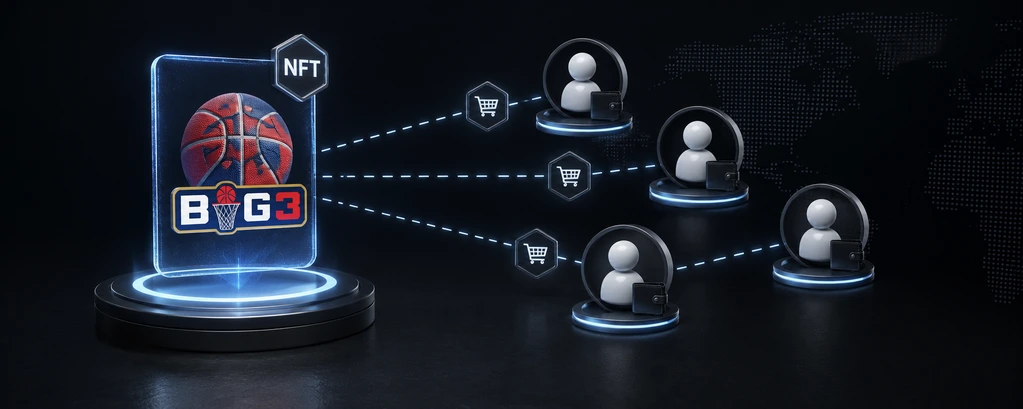
According to the complaint, holders of the “Fire” ($25,000) and “Gold” ($5,000) tier NFTs were supposed to receive team equity, voting rights, and VIP season passes. In practice, they were demoted to mere ticket holders. This legal bombshell explodes just as BIG3 plans to go public via a SPAC merger valued at $290 million, casting a massive shadow of doubt over the NFT market’s credibility when it comes to real utility versus empty promises.
Is the NFT Market Contracting or Consolidating?
Despite the legal uproar, data from the NFT market offers a contradictory yet revealing panorama. The daily performance of market (July 8) shows a total market cap of **$1.45 billion**, a 4.7% drop in 24 hours, and a transaction volume that plummeted by 38.9% to $1.07 million.
However, not all is pessimistic. Weekly sales in the NFT market fell by 6.52% to $45.68 million, but the monthly volume for July reached $574 million, representing a 47.6% increase compared to June.
CryptoPunks remains the stronghold of the market with a market cap of $561.7 million (38% of the total). Its recent addition to the Museum of Modern Art (MoMA) in New York solidifies its artistic status, while Pudgy Penguins shines with a weekly surge of over 20%, surpassing 5 ETH.
CryptoPunks, welcome to the @MuseumModernArt collection!
Punk 4018, Punk 2786, Punk 5616, Punk 5160, Punk 3407, Punk 7178, Punk 74, and Punk 7899 have found a permanent home at MoMA, where they’ll be preserved and cared for as part of the museum’s history.
The collective… pic.twitter.com/hswHYVML2R
— CryptoPunks (@cryptopunks) December 19, 2025
Massive Closures Reshaping the NFT Market
The most structural news of the week is the wave of platform closures hitting multiple blockchains.
Cardano: The Hardest-Hit Ecosystem
Cardano’s NFT market suffered an almost fatal blow with the definitive closure of JPG Store on May 23, 2026. This marketplace handled over 90% of the NFT transaction volume within the network. Its closure, along with that of data platform TapTools and the cancellation of the Cardano Summit 2026 (due to the rejection of a 7.8 million ADA treasury proposal), has left the ecosystem in intensive care. Founder Charles Hoskinson has already warned that more projects could fall if the market fails to recover liquidity.
Ethereum: Farewell to Foundation and Mint Blockchain
Ethereum, is also not escaping the crisis. Foundation, the digital art marketplace that processed approximately $230 million in primary sales (including iconic works like Nyan Cat and Edward Snowden’s piece), shut its doors on April 15, 2026, following the failure of an acquisition by Blackdove. Joining this closure is Mint Blockchain, which ceased operations in April, instructing users to withdraw their assets.
Foundation has been acquired by Blackdove.
This marks the platform’s next chapter, with operations continuing under new ownership.
Learn more about the transition and what stays the same from @saturnial → https://t.co/uHIQCihfqp
— Foundation 🌐 (@foundation) January 27, 2026
Solana and the Goodbye to Exchange Art
On the Solana network, Exchange Art has announced its permanent closure for the next August 1, 2026. The platform cited the “prolonged downturn in on-chain art markets” and the inability to establish a sustainable financial model. Fortunately, since the NFTs are minted on-chain, users can transfer them to other marketplaces, but the news highlights the fragility on alternative layers.
Other Fallen Giants
The list of closures is extensive: Nifty Gateway (owned by Gemini) closed on February 23; Binance removed NFT support from its centralized exchange on July 3, 2026 (converting non-transferable NFTs into PDF certificates); Rodeo, Kraken NFT, and X2Y2 have also ceased operations. Furthermore, NFTfi, the pioneer in NFT-backed lending that facilitated $737 million, will shut down on August 31, 2026.
Why Is the NFT Market’s Infrastructure Collapsing?
Experts point to five structural causes for this debacle in the NFT market:
-
Plummeting Trading Volume: Annual volume fell from $23.8 billion in 2022 to just $1.2 billion so far in 2026. Fee-based revenues can no longer sustain operations.
-
Operational Unsustainability: Infrastructure, engineering, and regulatory compliance costs far exceed potential revenue in a bearish market.
-
Strict Regulations: Frameworks like the EU’s MiCA have added regulatory pressure that many platforms cannot afford.
-
Lack of Mass Adoption: The failed to scale beyond speculative collectors, and the absence of real “utility” has deflated demand.
-
Capital Contraction: Easy money has disappeared. Projects dependent on external funding have gone bankrupt after failing to secure new investment rounds.
Tips for Surviving the Current NFT Market
Faced with this wave of closures, analysts recommend urgent measures:
-
Withdraw your assets from platforms in “withdrawal-only” mode before deadlines (especially on Exchange Art and NFTfi).
-
Bet on self-custody: Use wallets like MetaMask (for Ethereum), Lace, or Eternl (for Cardano) to maintain full control over your collections.
-
Verify on-chain minting: If the NFT is on the blockchain, you will be able to view and transfer it even if the marketplace disappears.
-
Diversify and prioritize liquidity: In a contracting NFT market, first-layer collections (CryptoPunks, Bored Apes, Pudgy Penguins) are safer havens than niche projects.
CryptoPunks’ entry into MoMA and the rebound of collections like Pudgy Penguins indicate that digital art and strong communities have a place in the future. The NFT market will survive, but it will do so with fewer players, more regulation, and a relentless focus on real utility and financial sustainability. The week of July 8 will be recorded as the moment took off the blindfold to face its new winter.
I am Isai Alexei. I work as a journalist and financial analyst covering cryptocurrency markets and traditional securities. I have spent ten years analyzing digital assets, trading activity, and market structure.