
Blockchain development used to be just for people into cryptography, but now it’s a big area of software engineering. It involves creating smart contracts and decentralized applications (dApps). Maybe you’re someone deciding which blockchain to use, a developer looking for a career change, or a company wanting to see how blockchain can improve a specific part of your business.
Key Takeaways
- Blockchain development involves building applications that use blockchain systems, like tools, protocols, decentralized apps, and smart contracts.
- Mordor Intelligence expects the global blockchain market to grow from $24.46 billion in 2025 to $299.54 billion by 2030.
- In the US, blockchain developers are among the highest paid in tech, with salaries typically between $120,000 and $190,000 per year.
- The field covers many areas, such as developing smart contracts, protocols, dApps, and the underlying blockchain infrastructure.
- Despite the buzz and discussions, the technology is already being used in areas like decentralized finance (DeFi), tokenization, and identity management.
We can see how big the blockchain market has gotten and how it’s expected to grow. For instance, Mordor Intelligence predicts the market will be worth $24.46 billion by 2025 and $299.54 billion by 2030, with a yearly growth rate of about 65%. This huge growth isn’t just because of cryptocurrencies; it’s also because blockchain is being used in practical ways in fields like finance, supply chains, healthcare, and managing identities.
This guide will explain blockchain development. We’ll cover what it is, what programming languages you can use for it, and what trends to expect up to 2026.
What Is Blockchain Development?
Blockchain development is all about building and using a blockchain network. Think of a blockchain as a type of database shared across many computers. Each computer gets and confirms every piece of data as it’s added. Basically, data is gathered, given a unique code, and then linked to previous records, creating a permanent and verifiable history.
What makes blockchain development different from regular software development is the underlying technology. Once code is put onto a blockchain, usually as something called a smart contract, it’s permanent. This is a big deal for managing and fixing software compared to traditional development, where a server administrator can usually change or update code easily. While this offers benefits like transparency and resistance to censorship, it also creates unique challenges for developers.
For instance, once code is deployed, it can’t be easily fixed if there’s a bug. Also, performing actions on a blockchain costs money, which means developers need to be very efficient. And if something goes wrong, like a bug, it can be incredibly hard, if not impossible, to correct.
A key difference that keeps coming up when comparing blockchain and traditional software development is how closely tied software and human organization are in blockchain projects. One developer put it simply: “The technology is easy; it’s the people part that is difficult.” Questions about how to create proposals for governing the system or how community members coordinate are not minor details. Instead, they are central to how the whole system is designed.
Blockchain Development vs Traditional Software Development
Here’s why developing software on a blockchain is different from traditional software development:
- Immutability: Code on a blockchain can’t be changed after it’s put there. This makes standard development and testing practices, like unit and integration testing, even more crucial for blockchain projects.
- Execution Costs: Running code on a blockchain requires computing power, and users have to pay for these operations using the blockchain’s cryptocurrency. This strongly encourages developers to write highly optimized code that doesn’t waste resources.
- Trustless Logic: Code running on a blockchain needs to operate without being influenced by external data. This ensures predictability and removes the need to rely on outside authorities for decisions or validation.
- Public transparency: most blockchain code and transaction data are publicly visible, which changes how developers think about privacy and data architecture
- Off-chain complexity: real applications require significant off-chain infrastructure including databases, APIs, frontends, and oracles, all of which must coordinate with on-chain logic
Types of Blockchain Development
Blockchain development isn’t just one thing. What you build determines the specific tech skills, programming languages, and tools you’ll need. Here are the main types:
Smart Contract Development
Smart contracts are programs on the blockchain that run automatically when certain conditions are met. They’re the most common way to start with blockchain programming and are used for things like DeFi, NFT marketplaces, token creation, and voting systems.
If you’re working with Ethereum or similar blockchains, you’ll most likely use Solidity. For chains like Solana, Rust is the standard. Newer chains such as Sui and Aptos use a language called Move, which is designed to handle digital assets safely.
A big challenge for smart contract developers is security. Once a contract is on the blockchain, it can’t be easily changed, and if it holds a lot of value, any security flaws can be disastrous and permanent. Common problems include “reentrancy attacks” and “integer overflows.” This is why “smart contract auditing” has become its own specialized area.
Decentralized Application (dApp) Development
A dApp is an application that uses a blockchain for its backend but has a regular website for its frontend. The part on the blockchain handles tasks that need to be trustworthy, like moving tokens or voting. The part that users see manages the interface, organizes data, and provides access to services.
To build dApps, you’ll need to know how to use blockchain libraries like ethers.js or web3.js to interact with Ethereum. You’ll also need standard web development skills in frameworks like React or Vue. Understanding how to connect with digital wallets, sign transactions, and read and write blockchain data efficiently is crucial.
Protocol and Layer 1/Layer 2 Development
“Protocol development” means building the blockchain itself i.e., the core network, how it confirms transactions, and the systems that support it. This is much harder than writing smart contracts. It usually requires deep knowledge of systems programming in languages like Rust, Go, or C++.
“Layer 2 development” is about creating ways to make existing blockchains faster and cheaper. Technologies like Optimistic rollups and ZK-rollups handle transactions off the main blockchain and then send summarized proof back to it. This greatly lowers costs and increases how many transactions can be processed.
Blockchain Infrastructure Development
This area involves creating the tools and services that blockchain applications rely on, such as services that let you connect to blockchain nodes (RPC providers), ways to organize and search blockchain data (indexing solutions), systems that bring real-world data onto the blockchain (oracle networks), and ways for different blockchains to communicate (cross-chain bridges). Companies like Alchemy and Infura offer managed node services, so developers don’t have to run their own. The Graph is a protocol that helps applications query blockchain data effectively.
Enterprise Blockchain Development
This type of development focuses on private blockchains, where only approved participants can join. Frameworks like Hyperledger Fabric are used by companies and financial institutions to get the benefits of blockchain, such as better tracking, a shared record of information, and resistance to tampering, without making the network fully public. Development in this area typically uses Go or Java.
Blockchain Game Development and the Metaverse
This integration allows developers to implement decentralized technology into the gaming industry. Developers have the chance to give true ownerships to the assets being used within games using non-fungible tokens. Moreover, they create an economy through which users can exchange such assets for monetary rewards and utilize blockchain technology to enable interoperations between games.
Developers usually apply the most popular platforms and programming language widely used amongst smart contract developers. These include Solidity for EVM-compatible games and Rust for developing games based on Solana. They also integrate auxiliary technologies that match the expectations set for NFT items (such as ERC 721) as well as in-game currencies.
Technology known as Metaverse goes far beyond regular operations performed when playing games. It uses blockchain technology to facilitate exchanges and monitoring information about the user’s assets contained in virtual worlds. Such technology is particularly helpful in tracking ownership over land and virtual assets, enabling transaction execution in virtual worlds.
From the technical perspective, the innovations in the development of blockchain games involve smart contracts programming, application of game engines, and web3 technologies. It is one of the more technically demanding combinations in the field, but it also represents one of the clearest consumer-facing use cases for blockchain technology outside of finance.
Blockchain Development Types at a Glance
| Type | Primary Languages | Key Platforms | Common Use Cases |
|---|---|---|---|
| Smart Contract Dev | Solidity, Rust, Move | Ethereum, Solana, Sui, Aptos | DeFi, NFTs, DAOs, tokenization |
| dApp Development | Solidity + JavaScript | Ethereum, EVM chains | Web3 apps, marketplaces, gaming |
| Protocol / L1 Dev | Rust, Go, C++ | Custom L1s, Cosmos SDK | New blockchains, consensus design |
| Layer 2 Development | Solidity, Rust | Arbitrum, Optimism, zkSync | Scaling, low-cost transactions |
| Infrastructure Dev | Go, TypeScript | Alchemy, The Graph, Chainlink | Nodes, indexing, oracles |
| Enterprise Blockchain | Go, Java | Hyperledger, R3 Corda | Supply chain, trade finance, identity |
Blockchain Programming Languages
The choice of languages in blockchain programming is tied closely to particular blockchains and application categories. Compared to traditional software development, where JavaScript or Python writing instruction are used broadly, the space is highly fragmented.
Solidity
is the most popular language for writing smart contracts on Ethereum and other EVM-compatible blockchains. It has a comparatively shallow learning curve for those with JavaScript or Python experience, but writing secure contracts requires understanding of the underlying virtual machine architecture.
Rust
Rust is quickly supplanting Solidity as the language of choice for performance-critical applications. Rust is used to write Solana programs, Substrate-based parachains, NEAR smart contracts, and several Layer 2 solutions.
Move
Move is another systems-level language, which was pioneered by Meta Platforms for the Diem project, and is being adopted by Sui and Aptos smart contracts platforms. It offers improved security guarantees for digital asset management through its unique approach to ownership.
Others
Other languages, such as Go, TypeScript, are used extensively within the blockchain ecosystem, but in peripheral development roles.
Blockchain development lifecycle
The process of designing and launching a blockchain-based application is substantially more involved than traditional software development. A rough distinction can be made between conceptualization, specification, development, testing, launch, and post-launch maintenance phases. Unlike traditional software, with blockchain applications the deployment of the product is inseparable from its design.
Requirement analysis and selecting chains for development
The most challenging aspect of any blockchain-based initiative is to identify the problem that requires a blockchain-based solution. The technology is appropriate when there is a need to establish a trustless consensus between independent nodes.
If the requirements clearly state that data needs to be stored on a shared database but there is no need for trustless consensus, the best solution would be a traditional database management system. Once it is established that the proposed solution indeed requires a blockchain, the next step is to select which underlying network to use.
Factors influencing this decision include transaction costs, ecosystem, language preferences, and regulatory outlook; for institutional applications, Ethereum is often the default choice, while Solana, near, and Cardano offer alternatives with reduced costs and improved performance.
Architecture design and tokenomics
Before actual coding can begin, an architectural design needs to be developed. This process is unique to blockchain applications, as it involves determining what is designed to be on- vs. off-chain. Smart contracts execute on the blockchain and cannot be changed after deployment, while off-chain elements can be updated using traditional software development practices. If the proposed application requires a crypto-native token, tokenomics will also need to be designed at this stage.
Development
The actual smart contract development process begins once foundational infrastructure has been created. Smart contracts can be written in Solidity, Rust, or Move, depending on the selected blockchain, and are typically deployed to local test networks using Hardhat or Foundry (Ethereum), Anchor (Solana) or other developer frameworks. Development is iterative and requires extensive testing; a considerable amount of time is spent writing tests that demonstrate correctness of implementation and cover edge cases. This is especially important for blockchain applications, as there is no mechanism to update the code after deployment.
Security Audit
Before a contract can be deployed to a production network, it undergoes a security audit by an independent third party. Reputable auditors include Trail of Bits, Certik, Hacken, OpenZeppeling. This step is mandatory for any serious blockchain project, as most exploits reported in the industry occur on contracts that have been audited. Audits are extremely expensive; for major DeFi contracts, they often cost hundreds of thousands of dollars.
Testnet Deployment
Once the audit is complete, the contract is deployed to a test network to observe its behavior in a realistic environment. This phase also serves to evaluate the user experience and interactions between smart contracts and other elements of the system.
Mainnet deployment and post-launch support
The contract is finally deployed to the mainnet, where it begins executing transactions. Smart contract developers continue to monitor its performance on the blockchain using analytics tools and maintain supporting infrastructure. In some cases, developers utilize upgradeable patterns to allow limited modifications to the contract after launch.
Key Blockchain Development Tools in 2026
The developer tooling ecosystem has matured significantly. The following are the core tools used across most Ethereum-compatible development projects:
| Tool | Category | Use |
|---|---|---|
| Hardhat | Development framework | Contract compilation, testing, local node, Solidity debugging |
| Foundry | Development framework | Fast Solidity testing in Solidity (not JavaScript), gas reporting |
| Remix IDE | Browser IDE | Beginner-friendly contract writing and deployment |
| Alchemy / QuickNode | Node infrastructure | Managed RPC access to Ethereum, Solana, Polygon, and others |
| Ethers.js / Web3.js | JavaScript library | Frontend interaction with smart contracts and wallet signing |
| The Graph | Indexing | Querying blockchain data via GraphQL APIs |
| Chainlink | Oracle network | Bringing real-world data (prices, randomness) on-chain |
| OpenZeppelin | Smart contract library | Audited, reusable contract templates for tokens, access control |
| Tenderly | Monitoring / debugging | Transaction simulation, alerting, and error tracing |
Blockchain Development as a Career in 2026
Thinking about a career in blockchain development in 2026? The situation is a bit complex. The excitement from 2021-2022 has calmed down, and many people are now focused on AI. However, blockchain is still being used in practical ways that create real jobs.
When it comes to pay, blockchain developers are still earning a lot. In early 2026, the average salary in the US is around $111,845, with experienced people making between $130,000 and $187,000 per year. Companies in the Web3 space often offer extra pay through tokens, staking rewards, or sharing revenue from their systems.
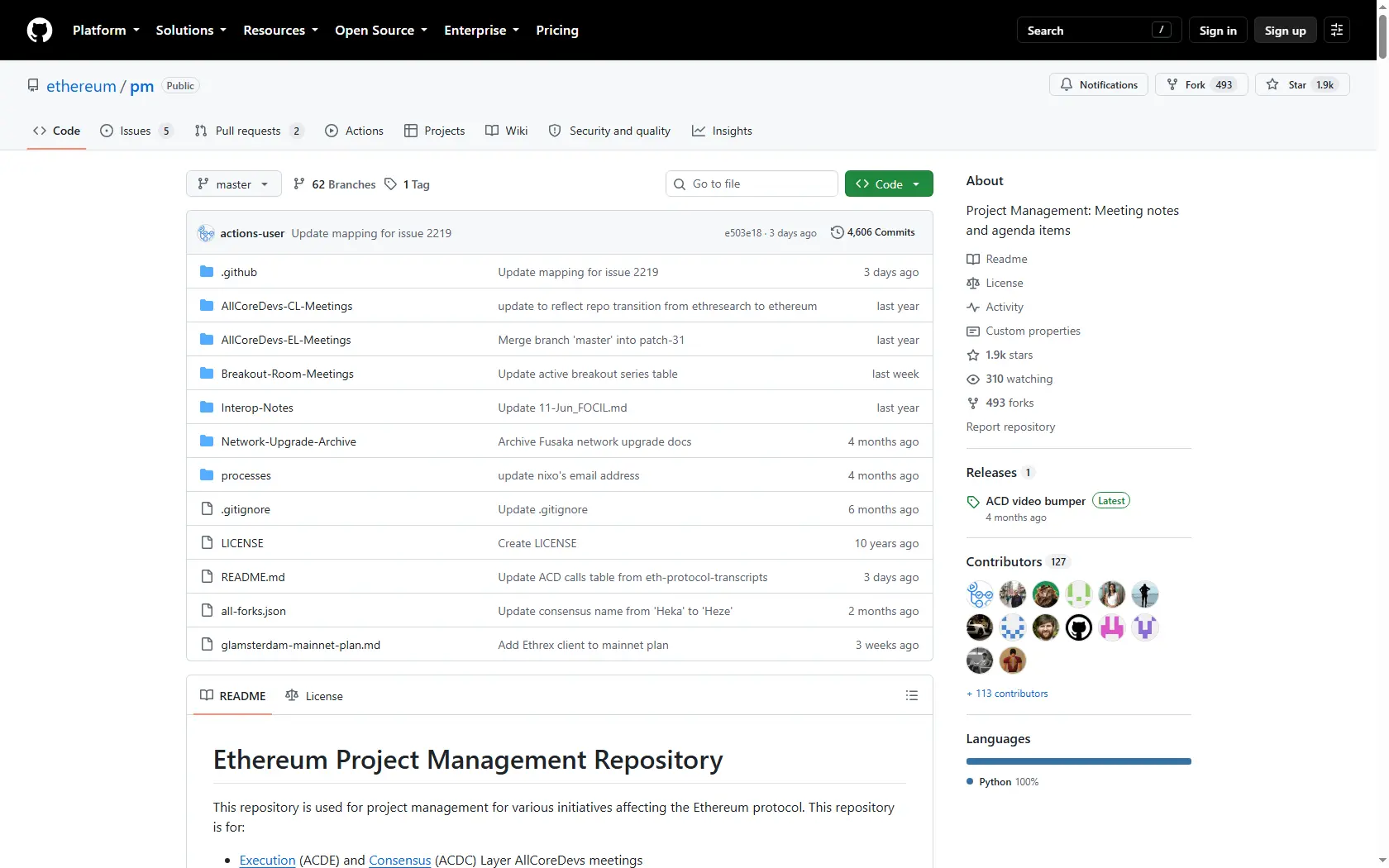
Experienced developers suggest focusing on building actual projects. Contributing to open-source work, deploying smart contracts on test networks, and having an active GitHub profile are considered more important than getting certifications. One developer shared a useful tip: “Use AI tools to find problems to solve, not to write your code for you.” This idea of using tools to learn more, rather than shortcuts, is becoming popular among new developers.
The job market is definitely tougher now than it was in 2021-2022. Developers who specialized in creating NFT minting contracts or launching tokens might find fewer opportunities. On the other hand, those skilled in smart contract security, ZK-proofs, Layer 2 development, and connecting different blockchains are seeing steady and growing demand.
What’s new in blockchain development in 2026?
ZK Technology Going Mainstream
Zero-knowledge proof (ZKP) technology is becoming more common. ZKPs, which used to be mostly theoretical, are now being used in real systems. Rollups like zkSync, Starknet, and Polygon zkEVM use these proofs to confirm groups of transactions, which significantly lowers costs while still benefiting from Ethereum’s security. ZK technology is also being used for private identity verification and secure smart contract operations, creating new uses for it.
Real World Tokenization
Tokenizing real-world assets like bonds, real estate, private credit, and commodities is currently a hot area in blockchain development, attracting significant funding. Big financial players such as BlackRock, Franklin Templeton, and JPMorgan are already using public blockchains for their tokenized products, showing they’re moving beyond testing to actual use.
Account Abstraction
Account abstraction, which is now a standard for Ethereum with ERC-4337, lets smart contract wallets take the place of regular accounts. This means we can have things like sponsored transactions, easier ways to recover accounts, multi-signature security, and automatic payments, all without altering the main blockchain rules. Many believe this is essential for bringing everyday users onto blockchain platforms.
Cross-chain Interoperability
With many Layer 1 and Layer 2 networks now developed, being able to move assets and data between them is becoming essential. Standards like Chainlink CCIP, LayerZero, and Wormhole are competing for cross-chain messaging. Building applications that work across multiple blockchains is more complex than working with just one, but users are increasingly looking for experiences that don’t depend on a specific chain.
AI and Blockchain Convergence
The combination of AI and blockchain is still in its early stages but is seeing a lot of activity. Some potential uses being explored include verifying AI computations on the blockchain, creating incentive systems for decentralized AI model training, and using blockchain to track the origin of AI-generated content. It’s still unclear if these combined applications will become long-lasting or remain speculative, and we should get a clearer picture in the next couple of years.
Frequently Asked Questions
What does a blockchain developer actually do?
A blockchain developer writes, tests, deploys, and maintains code that runs on blockchain networks. This can mean writing smart contracts in Solidity or Rust, building the frontend and APIs of decentralized applications, developing protocol-level software, or building infrastructure like node clients and indexing services.
Do you need to know coding to get started in blockchain development?
Yes. Prior programming experience significantly reduces the learning curve. Most experienced developers recommend starting with Python or JavaScript, understanding how web applications work, and then transitioning to blockchain-specific languages like Solidity. Starting directly with Solidity without any programming background is possible but substantially harder.
Which blockchain should I build on?
For most new projects, Ethereum or an Ethereum Layer 2 is the default choice due to ecosystem depth, developer tooling maturity, and liquidity. Solana is preferred for applications requiring high throughput and low latency. The choice depends on your specific use case, target user base, and cost requirements.
How long does it take to learn blockchain development?
For a developer with existing programming skills, reaching a level of proficiency sufficient for entry-level work typically takes 6-12 months of focused learning and project work. Mastering smart contract security, which is a prerequisite for working on production systems handling real value, takes considerably longer.
Is blockchain development still worth learning in 2026?
The honest answer is: it depends on your goals. The hype-driven boom of 2021-2022 is over, and the job market is more competitive than it was then. However, real enterprise adoption in tokenization, DeFi, and identity is continuing to grow. Developers with skills in smart contract security, ZK systems, and Layer 2 infrastructure are seeing sustained demand and above-average compensation.
What is the difference between a blockchain developer and a smart contract developer?
A smart contract developer specializes in writing and auditing the contracts that run on blockchain networks. A blockchain developer is a broader term that can include protocol engineers, dApp developers, infrastructure specialists, and smart contract developers. The distinction matters in job listings. A “smart contract developer” role will focus on Solidity or Rust security, while a “blockchain developer” role might encompass full-stack dApp work.
What is a smart contract audit and why does it matter?
A smart contract audit is an independent code review conducted by specialized security researchers who look for vulnerabilities, logic errors, and deviations from best practices. Audits are essential before deploying any contract that handles real value. Many significant blockchain exploits have occurred in contracts that were either unaudited or where known vulnerabilities were not addressed.

Dan is a seasoned crypto writer for Blockchaindose who got his start in the space back in 2019. Over the past four years, he’s built a solid grasp of how the industry moves, focusing heavily on DeFi, NFTs, GameFi, and promising new projects.
Off the clock, you’ll usually find him buried in a good book or kicking back with a movie. His blend of hands-on market experience and straightforward commentary makes him a clear, trusted voice across the platform.